Wanna share with, well, everybody? Log In

Best Places to Stay at Snowshoe Mountain

By Brian and Aubrey
Snowshoe Mountain offers a wide array of accommodations, catering to every type of traveler, from luxurious condos to cozy cabins. Whether you’re visiting for winter sports or summer adventures, these top lodging options provide the perfect base for exploring the mountain.
1. Soaring Eagle Lodge
Soaring Eagle Lodge is the epitome of luxury at Snowshoe. This ski-in/ski-out lodge offers spacious condos with stunning views of the mountain. Each unit features upscale furnishings, a fully equipped kitchen, and a private balcony, perfect for enjoying the crisp mountain air. The lodge also boasts a heated underground parking garage, an outdoor hot tub, and a fitness center, ensuring that your stay is as comfortable as it is convenient.
Must-Do: Unwind in the outdoor hot tub after a day on the slopes, with panoramic views of the surrounding Allegheny Mountains.
Atmosphere: Luxurious and tranquil, with a focus on comfort and high-end amenities.
2. The Corduroy Inn & Lodge
Located at the top of Snowshoe Mountain, The Corduroy Inn & Lodge offers boutique accommodations with easy access to the slopes. This charming inn combines modern amenities with rustic mountain décor, creating a cozy and inviting atmosphere. The rooms and suites are beautifully appointed, featuring plush bedding, fireplaces, and stunning views of the mountain. The inn also has its own restaurant, Appalachia Kitchen, which serves locally sourced, gourmet cuisine.
Must-Do: Dine at the Appalachia Kitchen and indulge in their signature Appalachian-inspired dishes, paired with a selection from their extensive wine list.
Atmosphere: Intimate and stylish, with a strong emphasis on local flavors and personalized service.
3. Allegheny Springs
Allegheny Springs is a family-friendly condominium complex located in the heart of Snowshoe Village. With direct access to the Ballhooter Lift, this lodge is perfect for families looking to maximize their time on the slopes. The spacious condos feature fully equipped kitchens, gas fireplaces, and balconies overlooking the village or the slopes. The complex also offers a heated outdoor pool, hot tubs, and a fitness center, making it a great choice for both relaxation and adventure.
Must-Do: Enjoy a swim in the heated outdoor pool, even in the middle of winter, followed by a soak in the hot tub under the stars.
Atmosphere: Family-friendly and convenient, with easy access to the village’s shops, restaurants, and slopes.
4. Rimfire Lodge
Rimfire Lodge is another excellent option located in Snowshoe Village, offering a mix of studio, one-bedroom, and two-bedroom condos. The lodge is known for its central location, making it easy to explore all that Snowshoe has to offer. The condos are well-appointed, with modern amenities, fully equipped kitchens, and gas fireplaces. Rimfire Lodge also features an outdoor hot tub and a fitness center, adding to the comfort and convenience of your stay.
Must-Do: Take in the views of the village and the surrounding mountains from the lodge’s outdoor hot tub, a perfect spot to relax after a day of activities.
Atmosphere: Comfortable and centrally located, with a focus on convenience and accessibility.
5. Expedition Station
For those looking for budget-friendly accommodations without sacrificing location, Expedition Station is an excellent choice. Situated right in the village, this lodge offers a range of studio units that are perfect for couples or solo travelers. The rooms are cozy and functional, featuring kitchenettes, comfortable bedding, and mountain views. Expedition Station also provides easy access to the slopes, with the Ballhooter Lift just steps away.
Must-Do: Start your morning with a cup of coffee on your private balcony, enjoying the fresh mountain air before hitting the slopes.
Atmosphere: Budget-friendly and convenient, with a focus on practicality and location.
Snowshoe Mountain’s accommodations cater to a wide range of preferences and budgets, ensuring that every visitor can find the perfect place to stay. Whether you’re seeking luxury, convenience, or a cozy retreat, these top lodging options provide the ideal base for your mountain adventure. So book your stay, pack your gear, and get ready to experience the best of Snowshoe Mountain, any time of year.
Log In to comment on this post!
Related Content

Mountain Biking and Hiking: Exploring Snowshoe’s Trails

By Greg Hamilton
Snowshoe Mountain, known for its winter sports, transforms into a summer haven for outdoor enthusiasts, offering a diverse network of trails that beckon both mountain bikers and hikers. With over 40 miles of trails designed for all skill levels, Snowshoe’s terrain offers a unique blend of challenging courses, scenic views, and serene forested paths.
Mountain Biking: The Ultimate Ride
Snowshoe’s Bike Park is a mecca for mountain bikers, with trails ranging from beginner to expert. The park is divided into several zones, each offering a distinct riding experience. Western Territory is home to some of the most challenging downhill trails, featuring steep descents, technical rock gardens, and adrenaline-pumping jumps. For those new to the sport or looking for a more relaxed ride, the Basin Area provides smoother trails with flowy berms and gentle slopes.
The crown jewel of the park is Ballhooter, a trail that offers a perfect mix of speed, flow, and technical sections. It’s a favorite among seasoned riders for its variety and the way it showcases Snowshoe’s diverse terrain. The trail is meticulously maintained, ensuring a smooth ride and allowing bikers to focus on the thrill of the descent.
Must-Do: Join a guided tour or take a skills clinic if you’re new to mountain biking. These sessions help build confidence and introduce you to the park’s trails in a supportive environment.
Atmosphere: Thrilling and community-focused, with riders of all levels coming together to enjoy the mountain’s offerings.
Hiking: Immersing in Nature
For those who prefer to explore Snowshoe on foot, the mountain offers a plethora of hiking trails that cater to all levels of experience. From leisurely walks through wildflower meadows to challenging hikes up steep ridgelines, Snowshoe’s trails allow hikers to fully immerse themselves in the natural beauty of the Appalachian Mountains.
Raven Ridge Trail is a must-hike for anyone visiting Snowshoe. This moderate trail offers stunning panoramic views of the surrounding mountains, particularly during sunrise and sunset when the sky is painted with hues of orange and pink. The trail meanders through dense forests, offering a peaceful escape from the hustle and bustle of daily life.
For a more challenging hike, the Shavers Lake Trail leads to a hidden gem of a mountain lake, where the tranquility of the water and the surrounding wilderness create a perfect setting for reflection and relaxation. Along the way, hikers can spot various wildlife, including deer, wild turkeys, and occasionally black bears.
Must-Do: Pack a picnic and spend the afternoon at Shavers Lake. The hike to the lake is invigorating, and the serene setting makes it an ideal spot to unwind and connect with nature.
Atmosphere: Serene and rejuvenating, with each trail offering a unique way to experience the mountain’s natural splendor.
Trail Maintenance and Sustainability
Snowshoe Mountain takes great pride in maintaining its trails for both mountain biking and hiking. The resort’s trail crew works year-round to ensure that the trails remain in top condition, whether that involves clearing debris, repairing erosion, or building new features. This commitment to trail maintenance not only enhances the experience for visitors but also protects the natural environment from the impact of heavy use.
In recent years, Snowshoe has also focused on sustainability initiatives, such as using eco-friendly materials for trail construction and promoting Leave No Trace principles among visitors. These efforts ensure that Snowshoe’s trails can be enjoyed by future generations while preserving the mountain’s natural beauty.
Must-Do: Participate in a trail maintenance day if your visit coincides with one. It’s a great way to give back to the community and learn more about the work that goes into keeping the trails in pristine condition.
Atmosphere: Responsible and educational, with a strong emphasis on sustainability and stewardship of the environment.
Whether you’re carving down the mountain on two wheels or exploring its hidden corners on foot, Snowshoe’s trails offer a unique and rewarding experience for outdoor enthusiasts. The combination of challenging terrain, breathtaking scenery, and a commitment to sustainability makes Snowshoe a top destination for mountain biking and hiking in the Eastern United States. So gear up, hit the trails, and discover the beauty and adventure that Snowshoe Mountain has to offer.
Log In to comment on this post!

Top 5 Summer Activities at Snowshoe Resort

By Michael and Michelle
Snowshoe Mountain may be famous for its winter sports, but when the snow melts, the resort transforms into a vibrant summer playground. With a variety of outdoor activities set against the stunning backdrop of the Allegheny Mountains, Snowshoe offers endless opportunities for adventure and relaxation. Here’s a curated list of the top five summer activities you can enjoy at Snowshoe Resort.
1. Mountain Biking
Snowshoe is renowned as one of the premier mountain biking destinations on the East Coast. The resort’s Bike Park features over 40 trails that cater to all skill levels, from beginner-friendly paths to challenging downhill runs. Whether you’re new to the sport or an experienced rider, Snowshoe’s diverse terrain and well-maintained trails make it a must-visit for mountain biking enthusiasts.
Must-Do: Take on Ballhooter, one of the park’s most popular trails, offering a mix of smooth flow and technical sections that make for an exhilarating ride.
Atmosphere: Thrilling and dynamic, with a strong sense of adventure and camaraderie among riders.
2. Hiking and Scenic Walks
The beauty of Snowshoe Mountain truly comes alive in the summer, with miles of hiking trails that wind through lush forests, along ridgelines, and past tranquil lakes. Whether you’re looking for a challenging hike or a leisurely stroll, there’s a trail for you. The Shavers Lake Trail is particularly popular, leading to a pristine mountain lake where you can relax and enjoy the peaceful surroundings.
Must-Do: Hike the Raven Ridge Trail for stunning views of the surrounding Allegheny Mountains, especially during sunrise or sunset.
Atmosphere: Serene and invigorating, with each trail offering a unique perspective on the mountain’s natural beauty.
3. Paddleboarding and Kayaking on Shavers Lake
Shavers Lake is the jewel of Snowshoe’s summer activities, offering a range of water-based fun. Paddleboarding and kayaking are two of the most popular activities, providing a relaxing way to explore the lake’s calm waters. Whether you’re looking to paddle leisurely along the shore or venture out into the deeper waters, Shavers Lake is the perfect spot for a summer escape.
Must-Do: Rent a paddleboard and explore the lake at your own pace, taking in the scenic views and spotting wildlife along the shoreline.
Atmosphere: Tranquil and refreshing, offering a peaceful retreat from the hustle and bustle of everyday life.
4. Golf at Raven Golf Club
For those who enjoy a round of golf, the Raven Golf Club at Snowshoe is a must-visit. This award-winning course is known for its challenging design and breathtaking views, as it winds through the rugged terrain of the mountain. The course offers a mix of open fairways and tight, tree-lined holes, making it both a challenging and rewarding experience for golfers of all skill levels.
Must-Do: Play a round at sunset, when the light casts a golden glow over the course, making for an unforgettable golfing experience.
Atmosphere: Challenging and picturesque, with a focus on both the game and the stunning natural surroundings.
5. Scenic Lift Rides and Photography
For a more relaxed way to enjoy the beauty of Snowshoe Mountain, take a scenic lift ride to the summit. The lift ride offers panoramic views of the Allegheny Mountains and is a great way to appreciate the scale and majesty of the landscape. It’s also a perfect opportunity for photography, with the mountain’s peaks, valleys, and forests providing endless inspiration for capturing the beauty of the outdoors.
Must-Do: Bring your camera and take the lift to the top of Ballhooter for the best views and photography opportunities, especially during golden hour.
Atmosphere: Peaceful and inspiring, with a focus on soaking in the natural beauty of the mountain.
Snowshoe Resort’s summer activities offer something for everyone, from adrenaline-fueled mountain biking to serene paddleboarding on Shavers Lake. Whether you’re looking for adventure, relaxation, or simply a chance to connect with nature, Snowshoe provides a perfect backdrop for an unforgettable summer escape. So pack your gear, embrace the warm weather, and discover the many ways you can enjoy Snowshoe Mountain in the summer months.
Log In to comment on this post!

Skiing and Snowboarding at Snowshoe: A Winter Wonderland

By Simon Pitts
When winter arrives at Snowshoe Mountain, the landscape transforms into a skier and snowboarder’s paradise, with powder-covered slopes and a vibrant, festive atmosphere that draws winter sports enthusiasts from all over. Snowshoe’s extensive terrain, which spans over 257 acres, offers a mix of trails that cater to all levels, from first-time skiers to seasoned experts looking for a challenge. This in-depth feature explores what makes Snowshoe a top destination for winter sports and why it should be on every snow lover’s bucket list.
A Skier’s Paradise: The Terrain
Snowshoe Mountain is divided into three distinct areas: Snowshoe Basin, Silver Creek, and the renowned Western Territory. Each area offers its own unique experience, ensuring that visitors have access to a diverse range of trails and conditions.
Snowshoe Basin is the heart of the resort, featuring a mix of beginner and intermediate runs that are perfect for families and those new to the sport. The Spruce Glades and Gandy Dancer trails offer gentle slopes with stunning views of the surrounding Allegheny Mountains, making them ideal for skiers looking to enjoy a scenic ride.
Must-Do: Take a run down Gandy Dancer at sunset, where the fading light casts a golden hue over the snow, creating a magical experience on the slopes.
Atmosphere: Welcoming and family-friendly, with a focus on making skiing accessible and enjoyable for everyone.
Western Territory: The Expert’s Playground
For advanced skiers and snowboarders, Snowshoe’s Western Territory offers some of the most challenging terrain on the East Coast. This area is home to the legendary Cupp Run and Shay’s Revenge, both designed by Olympic skier Jean-Claude Killy. These black diamond trails are known for their steep grades, long runs, and breathtaking views. With over 1,500 vertical feet of drop, the Western Territory is a true test of skill and endurance.
Cupp Run is a 1.5-mile-long trail that offers a thrilling descent with sharp turns and fast straightaways. Shay’s Revenge is even steeper, with a 52% grade that challenges even the most experienced skiers. The Western Territory is serviced by its own high-speed lift, ensuring that you spend more time on the slopes and less time waiting in line.
Must-Do: For those looking to push their limits, tackle both Cupp Run and Shay’s Revenge in one day, and experience the full intensity of the Western Territory.
Atmosphere: Intense and exhilarating, with a focus on challenging and rewarding expert skiers and snowboarders.
Snowboarding: Terrain Parks and Freestyle Fun
Snowshoe Mountain is also a top destination for snowboarders, offering a variety of terrain parks that cater to all levels of freestyle riders. Mountaineer Park in Silver Creek is the main terrain park, featuring jumps, rails, and boxes that are perfect for honing your skills. The park is meticulously maintained, with features that are regularly updated to keep the experience fresh and exciting.
For beginners, the Progression Park in Snowshoe Basin offers smaller features that are perfect for learning the basics of freestyle snowboarding. This park is designed to be a welcoming space for riders of all ages to practice and improve their skills in a supportive environment.
Must-Do: Test your skills on the Mountaineer Park’s larger jumps and rails, or take a few runs through the Progression Park to build confidence before tackling more challenging features.
Atmosphere: Creative and dynamic, with a strong sense of community among snowboarders and freestyle skiers.
Beyond the Slopes: Après-Ski and Winter Activities
After a day on the slopes, Snowshoe offers a vibrant après-ski scene that’s perfect for unwinding and socializing. The resort village is home to a variety of restaurants, bars, and shops, all within walking distance of the slopes. The Junction Ale House is a popular spot for après-ski drinks, offering a wide selection of craft beers and a cozy atmosphere that’s perfect for relaxing by the fire.
For those looking to continue their winter adventure off the slopes, Snowshoe offers a range of activities, including snowshoeing, snowmobiling, and tubing. The Coca-Cola Tube Park is a family favorite, featuring multiple lanes for tubing that are lit up for nighttime fun.
Must-Do: Spend an evening at The Junction Ale House, where you can enjoy live music, great food, and the company of fellow winter sports enthusiasts.
Atmosphere: Festive and lively, with a focus on enjoying the camaraderie and community that winter sports bring.
Tips for First-Time Visitors
For those new to Snowshoe Mountain, planning ahead is key to making the most of your visit. The resort offers a variety of lodging options, from cozy cabins to luxurious condos, all designed to provide easy access to the slopes. Booking early is recommended, especially during peak winter months, as accommodations can fill up quickly.
Snowshoe also offers a range of lessons for beginners, with experienced instructors who can help you build confidence and improve your skills. Whether you’re skiing, snowboarding, or just exploring the mountain, taking a lesson is a great way to enhance your experience.
Must-Do: Book a lesson with one of Snowshoe’s expert instructors, and take advantage of the resort’s First-Timers Guide to ensure a smooth and enjoyable visit.
Atmosphere: Friendly and supportive, with a focus on making winter sports accessible to everyone.
Snowshoe Mountain is a winter wonderland that offers something for everyone, from the thrill of skiing and snowboarding to the joy of exploring the mountain’s snowy landscapes. Whether you’re carving down the slopes of the Western Territory, catching air in the terrain parks, or simply enjoying the après-ski scene, Snowshoe provides a truly unforgettable winter experience. So grab your gear, hit the slopes, and discover why Snowshoe Mountain is one of the premier winter destinations in the United States.
Log In to comment on this post!

Snowshoe Mountain: A Year-Round Destination for Adventure

By Amber Brown
Nestled in the Allegheny Mountains of West Virginia, Snowshoe Mountain is renowned as a premier destination for outdoor enthusiasts, offering a wide range of activities that cater to adventurers of all kinds. From the powdery slopes of winter to the lush, green trails of summer, Snowshoe Mountain provides endless opportunities for exploration and excitement, making it a year-round haven for those seeking both thrill and tranquility.
Winter Wonderland: Skiing and Snowboarding
When winter blankets the mountain in a thick layer of snow, Snowshoe transforms into a skier’s paradise. The resort boasts over 60 trails, ranging from beginner-friendly slopes to challenging black diamonds, ensuring that skiers and snowboarders of all levels find their perfect run. The mountain’s Western Territory is particularly famous for its steep and long trails, offering advanced skiers a thrilling descent that spans over 1,500 vertical feet.
Must-Do: Don’t miss the Cupp Run, designed by Olympic skier Jean-Claude Killy. This legendary trail offers a 1.5-mile long ride with breathtaking views and challenging terrain that will test even the most experienced skiers.
Atmosphere: Exhilarating and festive, with a strong sense of community among winter sports enthusiasts.
Beyond the Slopes: Winter Activities
Snowshoe Mountain offers more than just skiing and snowboarding. The resort is a hub for a variety of winter activities, including snowshoeing, snowmobiling, and tubing. The Snowshoe Basin area is perfect for those looking to explore the mountain at a more leisurely pace, with guided snowshoe tours that take you through serene, snow-covered forests.
For those seeking an adrenaline rush, snowmobiling tours are available, allowing you to zip through the mountain’s backcountry trails. The Coca-Cola Tube Park is a family favorite, offering lanes for tubing that are lit up at night, making for a fun and festive experience.
Must-Do: Take a snowmobile tour through the Cheat Mountain Ridge, where you can explore the remote and rugged terrain of the Allegheny Mountains.
Atmosphere: Fun and adventurous, with activities that cater to both thrill-seekers and those looking for a more relaxed winter experience.
Spring and Summer: Outdoor Adventures Abound
As the snow melts and the mountain comes alive with color, Snowshoe Mountain continues to offer a wealth of outdoor activities. The resort is home to one of the best mountain biking destinations in the eastern United States, with over 40 trails that cater to all levels of riders. The bike park is designed for both downhill and cross-country biking, with features that include jumps, berms, and technical sections.
Hiking is another popular activity during the warmer months. The mountain is crisscrossed with scenic trails that offer breathtaking views of the surrounding Allegheny Mountains. The Shavers Lake trail is particularly popular, leading you to a tranquil lake nestled in the heart of the mountain. Here, you can rent a paddleboard, kayak, or simply relax on the sandy beach.
Must-Do: Try the Raven Golf Club, a challenging and beautifully designed course that winds through the rugged terrain of the mountain, offering stunning views and a memorable golfing experience.
Atmosphere: Invigorating and serene, with a focus on outdoor activities that connect you with the natural beauty of the mountain.
Fall Foliage: A Photographer’s Dream
Autumn is perhaps the most magical time to visit Snowshoe Mountain, as the lush green landscape transforms into a vibrant tapestry of red, orange, and gold. The fall foliage draws photographers and nature lovers from all over, eager to capture the stunning colors and peaceful atmosphere. Hiking and biking trails are particularly popular during this season, offering the perfect opportunity to immerse yourself in the beauty of the Appalachian Mountains.
The resort also hosts various fall festivals, including the Snowshoe Mountain Harvest Festival, which features local crafts, live music, and delicious seasonal food and drink.
Must-Do: Take a scenic chairlift ride to the top of the mountain to enjoy panoramic views of the fall foliage. The colors are especially breathtaking from the summit, where you can see for miles across the Allegheny Mountains.
Atmosphere: Peaceful and picturesque, with a focus on enjoying the natural beauty and vibrant colors of the season.
Accommodations: From Cozy Cabins to Luxury Lodges
Snowshoe Mountain offers a wide range of accommodations to suit every taste and budget. Whether you’re looking for a cozy cabin tucked away in the woods or a luxurious lodge with all the amenities, you’ll find the perfect place to relax after a day of adventure. The resort village offers ski-in/ski-out condos, charming inns, and modern hotels, all within walking distance of the mountain’s main attractions.
Must-Do: Consider staying at the Soaring Eagle Lodge, known for its spacious rooms, stunning views, and convenient access to the slopes and village.
Atmosphere: Comfortable and welcoming, with options that cater to families, couples, and solo travelers alike.
Snowshoe Mountain is a year-round destination that offers something for everyone. Whether you’re carving through fresh powder, biking down mountain trails, or simply soaking in the beauty of the Appalachian Mountains, Snowshoe provides an unforgettable experience. With its diverse range of activities, stunning natural scenery, and welcoming atmosphere, Snowshoe Mountain is the perfect place to escape, explore, and embrace the great outdoors.
Log In to comment on this post!

Best Spots for Dining and Drinks in Fayetteville

By Charlotte Dawson
Fayetteville, West Virginia, may be known for its outdoor adventures, but its dining scene is just as impressive. From farm-to-table cuisine to cozy cafes and lively bars, Fayetteville offers a diverse array of options for food lovers and cocktail enthusiasts alike. Here's a curated list of the best spots for dining and drinks in this charming Appalachian town.
1. Pies & Pints
Pies & Pints is a beloved local spot that perfectly combines gourmet pizza with a wide selection of craft beers. Known for its creative toppings and perfect crust, Pies & Pints is a must-visit for anyone who appreciates a good slice. The restaurant offers a laid-back atmosphere, making it an ideal place to unwind after a day of adventure in the New River Gorge.
Must-Try: The Grape & Gorgonzola Pizza is a fan favorite, featuring a unique combination of flavors that are surprisingly delicious. Pair it with one of their rotating craft beers for the full experience.
Atmosphere: Casual and inviting, with a focus on quality food and a great beer selection.
2. The Station
Located in a historic building in downtown Fayetteville, The Station is a farm-to-table restaurant that emphasizes fresh, locally sourced ingredients. The menu changes seasonally, offering dishes that highlight the best of West Virginia’s produce. The Station also boasts an impressive cocktail menu, featuring both classic and inventive drinks crafted with care.
Must-Try: The Braised Short Ribs are a standout dish, tender and flavorful, served with seasonal vegetables. Don’t miss out on their signature cocktails, like the Appalachian Mule made with local spirits.
Atmosphere: Cozy and rustic, with a focus on sustainable dining and creative cocktails.
3. Cathedral Café
Housed in a former church, Cathedral Café is a unique and charming spot for breakfast, lunch, or a casual coffee break. The café’s stained glass windows and high ceilings create a beautiful setting for enjoying a meal or simply relaxing with a cup of coffee. The menu features a variety of sandwiches, salads, and baked goods, all made with fresh, wholesome ingredients.
Must-Try: The Mountain Mama Wrap, filled with hummus, veggies, and a tangy dressing, is a healthy and satisfying choice. Pair it with a freshly brewed coffee or one of their specialty teas.
Atmosphere: Warm and welcoming, with a unique blend of historic charm and modern comfort.
4. Secret Sandwich Society
For those in search of a delicious sandwich, look no further than the Secret Sandwich Society. This popular spot is known for its hearty, creative sandwiches named after U.S. presidents and historical figures. The ingredients are top-notch, and the portions are generous, making it a perfect stop for a satisfying lunch or dinner.
Must-Try: The Jefferson sandwich, featuring roast beef, balsamic onions, and horseradish mayo, is a favorite among regulars. Pair it with a side of their famous truffle fries.
Atmosphere: Lively and fun, with a focus on inventive sandwiches and a casual dining experience.
5. Wood Iron Eatery
Wood Iron Eatery is a newer addition to Fayetteville’s dining scene, but it has quickly become a favorite for its modern take on classic dishes. The menu is a mix of comfort food and health-conscious options, with everything made from scratch. The eatery also offers a selection of local beers and ciders, as well as freshly baked goods.
Must-Try: The Chicken & Waffles is a standout, with crispy fried chicken served on a fluffy waffle, drizzled with maple syrup. For a lighter option, try their Avocado Toast with a poached egg.
Atmosphere: Bright and modern, with a welcoming vibe that makes it a great spot for both breakfast and lunch.
6. Maggie’s Pub
For a true local experience, head to Maggie’s Pub, a cozy neighborhood bar known for its friendly atmosphere and great selection of beers and spirits. Maggie’s is the perfect place to relax after a day of exploring Fayetteville, offering everything from craft beers to classic cocktails. The pub also hosts live music and events, making it a lively spot to enjoy an evening out.
Must-Try: Order a pint of West Virginia craft beer and pair it with one of their hearty pub snacks, like the loaded nachos or pretzel bites.
Atmosphere: Relaxed and unpretentious, with a focus on good drinks and a welcoming community vibe.
Fayetteville’s dining and drinks scene is as diverse and inviting as the town itself. Whether you’re craving a gourmet pizza, a craft cocktail, or a comforting breakfast, you’ll find a spot that satisfies your taste buds and provides a welcoming atmosphere. So next time you’re in Fayetteville, be sure to explore these top dining and drink spots and experience the best of Appalachian hospitality.
Log In to comment on this post!
Exploring the New River Gorge: Fayetteville’s Natural Playground

By Greg Hamilton
Fayetteville, West Virginia, is often referred to as the gateway to the New River Gorge, a stunning natural playground that offers a wealth of outdoor activities and breathtaking scenery. Spanning over 70,000 acres, the New River Gorge is a haven for adventurers and nature lovers alike, boasting some of the best hiking, climbing, and whitewater rafting opportunities in the eastern United States. This article delves deep into the various ways you can explore and experience this remarkable landscape.
The New River Gorge: An Overview
The New River is one of the oldest rivers in the world, and despite its name, it carves through the Appalachian Mountains with a force and beauty that is anything but ancient. The New River Gorge itself is a marvel, with steep canyon walls that rise up to 1,000 feet above the river. This rugged terrain has made the gorge a top destination for those seeking both adventure and tranquility.
The creation of the New River Gorge National Park and Preserve has helped protect this unique environment, ensuring that its natural beauty remains unspoiled for future generations. The park offers a wide range of recreational opportunities, from challenging rapids to serene hikes, making it a must-visit destination for outdoor enthusiasts.
Must-Do: Start your visit at the Canyon Rim Visitor Center, where you can get an overview of the park’s features, pick up maps, and learn about the history and geology of the gorge.
Atmosphere: Majestic and serene, with a sense of timeless beauty that draws visitors from around the world.
Whitewater Rafting: Riding the Rapids
One of the most exhilarating ways to experience the New River Gorge is by whitewater rafting. The New River is divided into two sections: the Upper New River, which is calmer and ideal for beginners and families, and the Lower New River, which is famous for its challenging Class III-V rapids. The lower section offers a heart-pounding adventure as you navigate through churning waves and powerful currents, all while surrounded by the stunning cliffs of the gorge.
Several local outfitters offer guided rafting trips that cater to all experience levels, providing all the necessary equipment and expert instruction to ensure a safe and memorable journey.
Must-Do: If you’re an experienced rafter, challenge yourself on the Double Z Rapid, one of the most notorious and thrilling sections of the Lower New River.
Atmosphere: Adrenaline-fueled and exhilarating, with the raw power of the river creating an unforgettable adventure.
Hiking: Trails with a View
Hiking in the New River Gorge offers some of the most spectacular views in West Virginia. The gorge is home to an extensive network of trails that cater to all skill levels, from easy walks to challenging treks. One of the most popular trails is the Endless Wall Trail, a 2.4-mile loop that offers breathtaking views of the gorge and the New River below. The trail passes through lush forests and along the edge of the cliff, providing numerous opportunities for photography and quiet reflection.
Another must-hike trail is the Long Point Trail, which leads to a dramatic overlook of the New River Gorge Bridge, one of the most photographed landmarks in the state. The hike is moderate in difficulty and well worth the effort for the panoramic views at the end.
Must-Do: For a unique experience, hike the Kaymoor Miners Trail, which takes you down a steep set of stairs to the remnants of an old coal mining operation, offering both historical insights and stunning scenery.
Atmosphere: Peaceful and awe-inspiring, with each trail offering a different perspective on the gorge’s natural beauty.
Rock Climbing: Scaling the Cliffs
The New River Gorge is a world-class destination for rock climbing, attracting climbers from all over the globe. The gorge’s sandstone cliffs offer over 1,400 established climbing routes, ranging from beginner-friendly climbs to challenging overhangs that test even the most experienced climbers. The quality of the rock, combined with the sheer variety of routes, makes the New River Gorge a climber’s paradise.
For those new to climbing, local guides are available to provide instruction and lead climbs, ensuring that everyone can experience the thrill of scaling the gorge’s cliffs.
Must-Do: If you’re an experienced climber, don’t miss the Beauty Mountain area, known for its challenging routes and stunning views of the gorge below.
Atmosphere: Intense and rewarding, with a strong sense of community among climbers who come to test their skills against the gorge’s rugged terrain.
Scenic Drives and Overlooks
For those who prefer to explore the gorge at a more leisurely pace, the New River Gorge offers several scenic drives that provide stunning views of the landscape. The Fayette Station Road, a narrow, winding road that descends to the bottom of the gorge and crosses the New River on an old iron bridge, is a must-drive for its up-close views of the river and the towering cliffs.
Another popular spot is the Grandview Overlook, which offers one of the best panoramic views of the gorge. This overlook is particularly beautiful at sunrise and sunset, when the light bathes the gorge in golden hues.
Must-Do: Pack a picnic and spend some time at Thurmond, a historic ghost town located along the New River. The drive to Thurmond offers beautiful views of the river, and the town itself provides a fascinating glimpse into the region’s past.
Atmosphere: Relaxed and contemplative, with an emphasis on enjoying the natural beauty of the gorge from the comfort of your vehicle.
Wildlife Watching and Photography
The New River Gorge is home to a rich diversity of wildlife, making it a fantastic destination for wildlife watching and photography. The park’s varied habitats, including forests, wetlands, and riverbanks, provide a home for numerous species of birds, mammals, and reptiles. Bald eagles, black bears, and white-tailed deer are among the many animals you might encounter while exploring the gorge.
For photographers, the gorge offers endless opportunities to capture the beauty of the landscape, from the mist rising off the river in the early morning to the vibrant fall foliage that blankets the cliffs in autumn.
Must-Do: Bring binoculars and a camera with a good zoom lens to capture close-up shots of the wildlife and the stunning landscapes. The Sandstone Falls area is particularly popular for photography, offering a series of cascades and rapids that are especially photogenic.
Atmosphere: Serene and immersive, with the sights and sounds of nature providing a tranquil backdrop for wildlife watching and photography.
The New River Gorge is more than just a national park; it’s a natural playground that offers endless opportunities for adventure, exploration, and relaxation. Whether you’re rafting the rapids, hiking the trails, climbing the cliffs, or simply taking in the views, the gorge invites you to experience the beauty and wonder of West Virginia’s rugged landscape. So pack your gear, bring your sense of adventure, and discover all that the New River Gorge has to offer.
Log In to comment on this post!
Top 6 Outdoor Activities in Fayetteville

By Simon Pitts
Fayetteville, West Virginia, is a haven for outdoor enthusiasts, offering a variety of activities that showcase the region's natural beauty and adventurous spirit. Whether you're seeking adrenaline-pumping thrills or serene experiences in nature, Fayetteville has something to offer. Here's a curated list of the top six outdoor activities that you can't miss when visiting this picturesque town.
1. Whitewater Rafting on the New River
The New River Gorge is one of the most popular destinations for whitewater rafting in the United States. The river offers rapids ranging from Class I to Class V, making it suitable for both beginners and seasoned rafters. Several local outfitters provide guided trips, ensuring a safe and exhilarating experience. The rapids, combined with the stunning scenery of the gorge, create an unforgettable adventure.
Must-Do: Opt for a full-day rafting trip that includes a riverside lunch, allowing you to immerse yourself fully in the beauty and excitement of the New River.
Atmosphere: Thrilling and scenic, with a perfect blend of adventure and natural beauty.
2. Hiking the Endless Wall Trail
Named one of the best hiking trails in the country, the Endless Wall Trail offers breathtaking views of the New River Gorge. This 2.4-mile trail winds through dense forests and along the edge of the gorge, providing numerous overlooks where you can stop and take in the panoramic scenery. The trail is relatively easy, making it accessible to hikers of all skill levels.
Must-Do: Bring a camera to capture the stunning views from Diamond Point, one of the most scenic spots along the trail.
Atmosphere: Peaceful and awe-inspiring, with plenty of opportunities to connect with nature.
3. Rock Climbing in the New River Gorge
Fayetteville is a world-renowned destination for rock climbing, offering over 1,400 climbing routes across the New River Gorge. The area’s sandstone cliffs provide challenges for climbers of all levels, from beginners to experts. Local guides are available to help you navigate the best routes and ensure a safe climbing experience.
Must-Do: Take a guided climbing lesson if you’re new to the sport, or challenge yourself with a multi-pitch climb if you’re more experienced.
Atmosphere: Challenging and rewarding, with a strong sense of accomplishment after each climb.
4. Mountain Biking on Arrowhead Trails
The Arrowhead Trails near Fayetteville offer some of the best mountain biking in the region. These trails were built specifically for mountain biking and provide a mix of flowy singletrack, technical sections, and scenic views. The trails are well-maintained and cater to riders of all skill levels, making them a popular destination for both locals and visitors.
Must-Do: Explore the "Easy Rider" trail for a smooth ride with beautiful forest views, or tackle the more challenging "Rock and Roll" trail for an adrenaline-pumping experience.
Atmosphere: Energetic and exhilarating, with trails that offer something for every type of rider.
5. Exploring Summersville Lake
Just a short drive from Fayetteville, Summersville Lake is a paradise for water lovers. Known as the "Little Bahamas of the East," the lake’s crystal-clear waters are perfect for swimming, boating, kayaking, and even scuba diving. The lake is surrounded by towering cliffs, which provide opportunities for rock climbing and cliff jumping. It’s also a great spot for fishing and picnicking.
Must-Do: Rent a kayak and paddle along the shoreline to discover hidden coves and enjoy the peaceful surroundings.
Atmosphere: Serene and refreshing, with a perfect balance of adventure and relaxation.
6. Zip Lining at Adventures on the Gorge
For a bird’s-eye view of the New River Gorge, head to Adventures on the Gorge for an unforgettable zip-lining experience. The zip line course features multiple lines that take you soaring high above the treetops and offer stunning views of the gorge. The "Gravity Zip Lines" are particularly popular, with lines stretching over a mile and reaching speeds of up to 60 mph.
Must-Do: Try the "Adrenaline" zip line for the ultimate thrill, where you’ll zip over 3,150 feet of cable at heights of up to 200 feet above the ground.
Atmosphere: High-flying and exhilarating, with a strong emphasis on adventure and stunning views.
Fayetteville, West Virginia, is a destination that truly has it all when it comes to outdoor adventures. Whether you’re navigating the rapids of the New River, hiking along the Endless Wall, or flying through the air on a zip line, each activity offers a unique way to experience the natural beauty and thrill of the Appalachian region. So pack your gear, embrace your adventurous spirit, and discover all that Fayetteville has to offer.
Log In to comment on this post!
Bridge Day in Fayetteville: A Celebration of Extreme Sports and Local Culture

By Michael and Michelle
Every October, the small town of Fayetteville, West Virginia, transforms into a hub of excitement and adrenaline as it hosts Bridge Day, one of the most anticipated events in the world of extreme sports. Held on the third Saturday of October, Bridge Day is the largest single-day event in West Virginia, drawing thousands of spectators and participants who come to witness and take part in an exhilarating display of daring feats and community spirit.
The History of Bridge Day
Bridge Day was first held in 1980, marking the only day of the year when the New River Gorge Bridge is closed to vehicular traffic and opened to pedestrians. This event was created to celebrate the completion of the bridge, which was finished in 1977 and, at the time, was the world’s longest single-arch bridge. Standing 876 feet above the New River, the bridge quickly became an iconic symbol of engineering prowess and a beacon for thrill-seekers.
Over the years, Bridge Day has evolved from a local celebration into an international event, attracting participants from all over the world. The main attraction? BASE jumping from the bridge into the gorge below. BASE jumping, an acronym for Building, Antenna, Span, and Earth, involves leaping from a fixed object and deploying a parachute to land safely. On Bridge Day, hundreds of BASE jumpers take the plunge, providing an awe-inspiring spectacle for the thousands of spectators who line the bridge.
Must-Do: If you’re not quite ready to jump off the bridge yourself, you can still experience the thrill by watching from the observation points along the bridge or from the riverbank below. The energy is infectious, and the sight of jumpers soaring through the air is truly unforgettable.
Atmosphere: Electric and exhilarating, with a sense of camaraderie and celebration that brings together participants and spectators alike.
BASE Jumping: The Heart of Bridge Day
At the heart of Bridge Day is the BASE jumping event, which sees participants leap off the New River Gorge Bridge with parachutes. This extreme sport is not for the faint of heart, and only those with significant experience are allowed to jump. For those who are not professional BASE jumpers but still want to experience the thrill, tandem jumps are available with experienced professionals.
The jump itself is a breathtaking spectacle. As each jumper steps off the bridge, there’s a moment of freefall before the parachute opens, allowing the jumper to glide gracefully down to the landing zone by the river. The jumpers are met with cheers and applause from the crowd, and the entire event is carefully coordinated to ensure safety and enjoyment for all.
Must-Do: If you’re an experienced jumper, Bridge Day offers a unique opportunity to join the ranks of those who have taken the plunge from one of the most iconic bridges in the world. For spectators, make sure to bring binoculars for a closer view of the jumps.
Atmosphere: Adrenaline-fueled and thrilling, with a palpable sense of anticipation as each jumper prepares to take flight.
Rappelling, Highlining, and More
While BASE jumping is the star of the show, Bridge Day also features other extreme sports that showcase the daring spirit of the participants. Rappelling is a popular activity, with participants descending from the bridge to the river below using ropes. The rappel is nearly 900 feet, making it one of the longest in the world. This event attracts both experienced climbers and adventurous novices looking to challenge themselves.
Highlining, another extreme sport featured on Bridge Day, involves walking across a narrow rope or line stretched between two points, often at dizzying heights. On Bridge Day, highliners traverse the gap beneath the bridge, balancing precariously above the gorge with nothing but a safety line to catch them if they fall. This sport requires immense concentration, balance, and courage, and it never fails to captivate the crowd.
Must-Do: For those interested in these activities, Bridge Day offers the chance to see some of the world’s best climbers and highliners in action. If you’re brave enough, you might even sign up for a rappelling session and experience the thrill yourself.
Atmosphere: Challenging and awe-inspiring, with a strong focus on pushing personal limits in a supportive environment.
Local Culture and Festivities
Bridge Day is not just about extreme sports; it’s also a celebration of Fayetteville’s vibrant local culture. The event features a street festival with food vendors, craft stalls, and live music, offering visitors a taste of Appalachian hospitality. Local businesses and artisans showcase their products, from handcrafted jewelry to delicious regional specialties like pepperoni rolls and pulled pork sandwiches.
The sense of community is strong at Bridge Day, with locals and visitors coming together to celebrate the unique character of Fayetteville. The town’s charming streets are filled with people enjoying the festivities, making new friends, and experiencing the best of what West Virginia has to offer.
Must-Do: Take the time to explore Fayetteville’s local shops and eateries. The town is known for its friendly atmosphere and welcoming residents, and you’ll find plenty of opportunities to immerse yourself in the local culture.
Atmosphere: Warm and welcoming, with a festive spirit that highlights the best of Appalachian culture and community.
Safety and Preparation
Given the extreme nature of the activities at Bridge Day, safety is a top priority. The event is meticulously planned, with strict safety protocols in place for BASE jumping, rappelling, and highlining. Participants must meet specific requirements and undergo safety checks before they are allowed to take part in any of the activities. Medical teams and rescue personnel are also on hand throughout the event to respond to any emergencies.
For spectators, the event is generally safe and family-friendly, but it’s important to be aware of the large crowds and the potential for unexpected situations. Visitors are encouraged to follow all safety guidelines and stay within designated viewing areas.
Must-Do: If you’re planning to attend Bridge Day, be sure to arrive early to secure a good viewing spot, and wear comfortable shoes for walking around the festival grounds. It’s also a good idea to bring water, snacks, and a camera to capture the incredible sights.
Atmosphere: Organized and secure, with a focus on ensuring a safe and enjoyable experience for all participants and spectators.
Bridge Day in Fayetteville is more than just an event; it’s a celebration of extreme sports, local culture, and community spirit. Whether you’re there to witness the heart-stopping jumps, take part in a rappel, or simply enjoy the festivities, Bridge Day offers an experience unlike any other. It’s a day when the eyes of the world turn to Fayetteville, and the town comes alive with excitement, adventure, and camaraderie. So mark your calendar, gather your friends and family, and get ready to experience the thrill of Bridge Day in the heart of West Virginia’s New River Gorge.
Log In to comment on this post!
Fayetteville: The Adventure Capital of West Virginia

By Brian and Aubrey
Nestled in the Appalachian Mountains, Fayetteville, West Virginia, is widely recognized as the Adventure Capital of West Virginia. This small town offers an abundance of outdoor activities, ranging from heart-pounding whitewater rafting to serene hikes through lush forests. Whether you're an adrenaline junkie or someone who enjoys a peaceful connection with nature, Fayetteville has something for everyone.
New River Gorge National Park and Preserve
At the heart of Fayetteville’s adventure scene is the New River Gorge National Park and Preserve. Known as one of the best whitewater rafting destinations in the country, the New River offers rapids ranging from Class I to Class V, making it accessible for beginners and thrilling for experienced rafters. Guided trips are available through several local outfitters, providing all the necessary equipment and expert guidance to navigate the powerful currents.
For those who prefer to keep their feet on solid ground, the park offers over 70,000 acres of stunning landscapes to explore. The Endless Wall Trail, one of the most popular hikes in the area, offers panoramic views of the gorge and is particularly beautiful in the fall when the foliage turns vibrant shades of red, orange, and gold. The Long Point Trail is another must-hike, leading to a rocky outcrop with breathtaking views of the New River Gorge Bridge, an engineering marvel that stands 876 feet above the river.
Must-Do: For a truly unique experience, consider visiting during Bridge Day, an annual event held every October where the New River Gorge Bridge is closed to traffic, and adventure seekers can base jump or rappel off the bridge, or simply enjoy the view from this iconic structure.
Atmosphere: Majestic and exhilarating, with a strong emphasis on outdoor adventure and natural beauty.
Adventures on the Water
In addition to whitewater rafting, Fayetteville offers a variety of other water-based activities that cater to different levels of adventure. Kayaking on the Lower New River provides a more relaxed experience, allowing paddlers to take in the stunning scenery at their own pace. The Summersville Lake, located just a short drive from Fayetteville, is known as the “Little Bahamas of the East” for its clear blue waters. Here, visitors can enjoy boating, fishing, and even scuba diving to explore the lake’s hidden underwater treasures.
For those looking to unwind, a scenic float trip down the Upper New River is the perfect way to spend a leisurely day on the water. The gentle currents make it ideal for families with children or anyone looking to soak in the tranquility of the gorge without the thrill of rapids.
Must-Do: Try your hand at stand-up paddleboarding (SUP) on Summersville Lake, where you can paddle through the calm waters surrounded by towering cliffs and hidden coves.
Atmosphere: Serene and refreshing, offering a mix of relaxation and adventure on the water.
Rock Climbing and Rappelling
Fayetteville is a world-class destination for rock climbing, attracting climbers from around the globe to its sandstone cliffs. The New River Gorge offers over 1,400 established climbing routes, ranging from beginner-friendly slabs to challenging overhangs that will test even the most experienced climbers. Rappelling is also a popular activity, with several outfitters offering guided experiences that take you down the face of the gorge for a thrilling descent.
For those new to climbing, the local guides provide instruction and gear, making it easy to get started in this exhilarating sport. The climbing community in Fayetteville is known for its welcoming and supportive atmosphere, so whether you’re a seasoned climber or a beginner, you’ll find plenty of opportunities to challenge yourself and connect with others.
Must-Do: Take a climbing lesson at Roc-Doc’s Climbing Gym, where you can learn the basics before heading out to the real cliffs of the New River Gorge.
Atmosphere: Challenging and rewarding, with a strong sense of camaraderie among the climbing community.
Mountain Biking and Trails
For those who prefer their adventures on two wheels, Fayetteville offers some of the best mountain biking trails in the region. The Arrowhead Bike Farm is a popular starting point, offering bike rentals, guided tours, and access to a network of trails that wind through the forested hills of the New River Gorge. Whether you’re looking for a leisurely ride or a heart-pumping downhill descent, there’s a trail for every skill level.
The Fayetteville Trail System is another must-ride destination, featuring miles of singletrack that offer a mix of technical challenges and scenic beauty. The trails are well-maintained and marked, making them accessible for riders of all levels.
Must-Do: After a day of riding, relax at the Handlebar + Kitchen at Arrowhead Bike Farm, where you can enjoy a cold beer and a delicious meal in a laid-back, bike-friendly atmosphere.
Atmosphere: Adventurous and laid-back, perfect for both serious bikers and those looking for a fun day on the trails.
Cultural and Culinary Delights
Fayetteville’s adventure offerings extend beyond the great outdoors. The town itself is a vibrant hub of culture and cuisine, with a growing food scene that caters to all tastes. Local restaurants like Pies & Pints and The Station offer everything from gourmet pizza to farm-to-table dishes, often incorporating local ingredients that reflect the region’s culinary traditions.
Fayetteville is also home to a variety of shops and galleries that showcase local art and crafts, providing a perfect opportunity to pick up a unique souvenir or gift. The Fayetteville Arts Coalition regularly hosts events, including art walks and gallery exhibits, that highlight the creativity and talent of the local community.
Must-Do: Visit the Cathedral Café, a local favorite housed in a former church, where you can enjoy a delicious meal surrounded by art and stained glass windows.
Atmosphere: Creative and welcoming, with a strong sense of community and local pride.
Fayetteville, West Virginia, is more than just an adventure destination—it’s a place where the thrill of the outdoors meets the warmth of a close-knit community. Whether you’re rafting the rapids of the New River, climbing the sandstone cliffs, or simply enjoying a meal in one of the town’s charming restaurants, Fayetteville offers an experience that’s both exhilarating and enriching. So pack your gear, bring your sense of adventure, and get ready to explore the Adventure Capital of West Virginia.
Log In to comment on this post!
Must-Visit Museums and Historic Sites in Beckley

By Brian and Aubrey
Beckley, West Virginia, is a city rich in history and culture, offering a variety of museums and historic sites that provide insight into the region’s past. Whether you’re a history buff, an art lover, or just curious about the area’s heritage, these must-visit locations offer something for everyone. Here’s a curated list of the top museums and historic sites in Beckley that you won’t want to miss.
1. Beckley Exhibition Coal Mine and Youth Museum
The Beckley Exhibition Coal Mine and Youth Museum is perhaps the most iconic historic site in the city. This attraction offers visitors a chance to explore an actual coal mine, guided by retired miners who share their personal experiences. The underground tour provides a fascinating look into the life of coal miners, while the recreated Coal Camp offers a glimpse into the day-to-day life of mining families. The adjacent Youth Museum features interactive exhibits designed to educate and engage younger visitors.
Must-Do: Take the underground mine tour for an immersive experience, and explore the historic Coal Camp buildings to get a sense of community life during the coal mining boom.
Atmosphere: Authentic and educational, with a focus on the region’s coal mining heritage.
2. Wildwood House Museum
Step into the past at the Wildwood House Museum, the historic home of General Alfred Beckley, the founder of the city. Built in the 1830s, this beautifully preserved house offers a window into 19th-century life in West Virginia. The museum is filled with period furnishings, family heirlooms, and historical artifacts that tell the story of the Beckley family and the early development of the city.
Must-Do: Join a guided tour to learn about General Beckley’s life and contributions to the region, and enjoy a stroll through the picturesque gardens surrounding the house.
Atmosphere: Historic and intimate, offering a peaceful retreat into the history of Beckley’s founding family.
3. Raleigh County Veterans Museum
The Raleigh County Veterans Museum honors the military service of local veterans, with exhibits that span from the Revolutionary War to the present day. The museum is home to a vast collection of military artifacts, including uniforms, weapons, medals, and personal items from soldiers who served in various conflicts. The museum’s dedicated volunteers, many of whom are veterans themselves, offer guided tours and share stories that bring history to life.
Must-Do: Explore the collection of military uniforms from different eras, and don’t miss the section dedicated to World War II, which includes some of the museum’s most poignant exhibits.
Atmosphere: Respectful and commemorative, with a deep sense of pride in honoring those who served.
4. Tamarack: The Best of West Virginia
While not a traditional museum, Tamarack is a cultural center that showcases the best of West Virginia’s arts, crafts, and heritage. This unique venue features galleries filled with works by local artisans, including pottery, textiles, woodworking, and fine art. Tamarack also hosts live performances, cultural events, and demonstrations that celebrate the region’s rich artistic traditions.
Must-Do: Visit the art galleries to admire the craftsmanship of West Virginia’s artisans, and be sure to catch a live performance in the theater for a full cultural experience.
Atmosphere: Vibrant and artistic, with a strong emphasis on celebrating West Virginia’s cultural identity.
5. New River Gorge National Park and Preserve (Grandview Area)
Though primarily known for its stunning natural beauty, the Grandview Area of the New River Gorge National Park and Preserve is also home to important historical sites. The park’s history is deeply intertwined with the coal mining industry, and visitors can explore remnants of old mining operations and learn about the people who lived and worked in this rugged landscape. The Grandview area itself offers spectacular views and is a perfect place to reflect on the history that shaped this region.
Must-Do: Hike the Grandview Rim Trail for breathtaking views of the New River Gorge, and visit the interpretive signs that provide historical context to the area’s mining past.
Atmosphere: Majestic and reflective, combining natural beauty with a deep sense of historical significance.
Beckley, West Virginia, is a city where history and culture are deeply intertwined with the landscape. From the underground tunnels of the Exhibition Coal Mine to the elegant rooms of the Wildwood House, these must-visit museums and historic sites offer a rich tapestry of experiences that showcase the city’s unique heritage. Whether you’re exploring the arts at Tamarack or reflecting on the past at the Raleigh County Veterans Museum, Beckley invites you to discover the stories that have shaped this vibrant community.
Log In to comment on this post!
Art in the Mountains: Beckley’s Thriving Arts Community

By Amber Brown
Nestled in the Appalachian Mountains, Beckley, West Virginia, boasts a thriving arts community that reflects the spirit and resilience of the region. From visual arts and crafts to music and theater, Beckley’s art scene is as diverse as its landscape, offering a rich tapestry of creative expressions that resonate with both locals and visitors.
A Community Rooted in Creativity
Beckley’s art community has deep roots, shaped by the town’s history and the surrounding natural beauty. The rugged mountains and lush forests have inspired generations of artists, who have used their work to capture the essence of Appalachian life. Today, this artistic legacy continues to flourish, with numerous galleries, studios, and cultural centers that showcase the talents of local artists and foster a vibrant creative culture.
Must-Visit: The Beckley Art Center serves as the heart of the city’s visual arts scene, offering exhibitions, workshops, and community events that bring together artists of all ages and skill levels. The center’s rotating exhibits feature works by local and regional artists, from traditional Appalachian crafts to contemporary art.
The Influence of Appalachia on Local Art
The Appalachian region’s rich history and cultural heritage play a significant role in shaping the art of Beckley. Many local artists draw inspiration from the natural landscape, incorporating elements of the mountains, rivers, and forests into their work. This connection to nature is evident in the intricate wood carvings, quilts, and pottery that are hallmarks of Appalachian craftsmanship.
Must-Do: Explore the Tamarack, a renowned arts and crafts center that showcases the best of West Virginia’s artisan goods. From handwoven baskets to intricate glasswork, Tamarack offers a wide range of locally made products that celebrate the region’s artistic traditions.
Music and Performing Arts: A Melodic Tradition
Music is another cornerstone of Beckley’s arts community, with deep ties to Appalachian folk traditions. Bluegrass, country, and gospel music have long been integral to the cultural fabric of the area, and today, these genres continue to thrive in local venues and festivals.
The Raleigh Playhouse and Theatre is a cultural gem in Beckley, hosting a variety of performances, including plays, concerts, and film screenings. The theater is a hub for the performing arts, providing a platform for both established and emerging artists to showcase their talents. Additionally, the annual Beckley Bluegrass Festival is a highlight of the local music scene, attracting musicians and fans from across the region.
Must-Do: Attend a performance at the Raleigh Playhouse and Theatre, where you can experience the rich musical and theatrical traditions of Beckley in an intimate and historic setting.
Public Art and Community Engagement
Public art is a vital part of Beckley’s artistic landscape, with murals, sculptures, and installations adorning the city’s streets and public spaces. These works of art not only beautify the city but also reflect the community’s values, history, and aspirations. The city’s commitment to public art is evident in projects like the Beckley Mural Project, which has transformed blank walls into vibrant canvases that tell the story of the city and its people.
Community engagement is at the heart of Beckley’s arts scene, with numerous programs and initiatives designed to make art accessible to all. From after-school art programs for children to workshops for adults, the city’s arts organizations work tirelessly to foster creativity and bring people together through the arts.
Must-Do: Take a self-guided tour of Beckley’s public art installations, and visit the Beckley Mural Project to see how local artists are using their talents to enhance the city’s public spaces.
Supporting Local Artists: Art Fairs and Markets
Supporting local artists is a key aspect of Beckley’s arts community, and the city hosts several art fairs and markets throughout the year. These events provide artists with opportunities to showcase and sell their work, while also giving residents and visitors the chance to purchase unique, handcrafted items directly from the creators.
The Beckley Art Center’s Annual Art Fair is one of the city’s premier art events, featuring a wide range of artworks, from paintings and sculptures to jewelry and textiles. The fair is a celebration of local talent, and it offers a platform for artists to connect with the community and share their work.
Must-Do: Visit the Beckley Farmers Market, where you can find a variety of handmade goods alongside fresh produce and local delicacies. The market is a great place to discover unique items while supporting the city’s artisan community.
Beckley’s thriving arts community is a testament to the city’s rich cultural heritage and its commitment to fostering creativity. From the visual arts and crafts that celebrate Appalachian traditions to the vibrant music and performing arts scene, Beckley offers a wealth of opportunities for residents and visitors to engage with the arts. Whether you’re exploring galleries, attending a live performance, or simply enjoying the city’s public art, Beckley invites you to experience the creative spirit that makes this mountain town a cultural hub in West Virginia.
Log In to comment on this post!
Top 5 Outdoor Adventures in and Around Beckley

By Greg Hamilton
Beckley, West Virginia, is a gateway to some of the most breathtaking outdoor adventures in the Appalachian region. Whether you're an adrenaline junkie or a nature lover, this area offers a diverse range of activities that showcase the natural beauty of the state. Here’s a curated list of the top five outdoor adventures in and around Beckley, each promising an unforgettable experience.
1. New River Gorge National Park and Preserve
Just a short drive from Beckley, the New River Gorge National Park and Preserve is a paradise for outdoor enthusiasts. Known as the “Grand Canyon of the East,” the gorge offers world-class whitewater rafting, rock climbing, and hiking. The Endless Wall Trail is a must-hike, offering stunning views of the gorge and the iconic New River Gorge Bridge. The park is also home to a diverse array of wildlife, making it a great spot for birdwatching and photography.
Must-Do: Experience the thrill of whitewater rafting on the New River, which offers rapids ranging from Class I to Class V, catering to both beginners and experienced rafters.
Atmosphere: Rugged and awe-inspiring, with endless opportunities for adventure and exploration.
2. Grandview
Part of the New River Gorge National Park, Grandview lives up to its name with spectacular views of the New River. The Grandview Rim Trail offers an easy hike with breathtaking overlooks, especially at sunrise or sunset when the light casts a golden hue over the landscape. Grandview is also home to the Cliffside Amphitheatre, where the renowned outdoor drama "Honey in the Rock" was performed. Today, the area continues to host events, making it a cultural as well as natural attraction.
Must-Do: Visit during the rhododendron bloom in late spring to see the vibrant pink and purple flowers that add a splash of color to the scenic views.
Atmosphere: Serene and picturesque, perfect for those who appreciate natural beauty and tranquility.
3. Little Beaver State Park
Located just a short drive from Beckley, Little Beaver State Park offers 562 acres of scenic woodlands, perfect for a variety of outdoor activities. The park features a 20-acre lake, ideal for fishing, kayaking, and paddleboarding. For hikers, the park offers over 18 miles of trails that wind through lush forests, offering a peaceful retreat into nature. Picnic areas, playgrounds, and campsites make this park a great destination for families.
Must-Do: Rent a paddleboat or kayak and spend a leisurely afternoon on the lake, enjoying the calm waters and surrounding wildlife.
Atmosphere: Family-friendly and relaxing, with a focus on outdoor recreation in a peaceful setting.
4. Summit Bechtel Reserve
For those seeking adventure and excitement, the Summit Bechtel Reserve is a premier destination. This 10,600-acre property is known for hosting the National Scout Jamboree, but it’s also open to the public for a variety of outdoor activities. The reserve offers zip lining, mountain biking, rock climbing, and even a world-class skate park. The Adventure Valley course, featuring a series of zip lines and aerial challenges, is a highlight for thrill-seekers.
Must-Do: Challenge yourself on the Canopy Zip Line Tour, where you’ll soar through the treetops and enjoy panoramic views of the surrounding mountains.
Atmosphere: High-energy and exhilarating, perfect for those who love adventure sports and outdoor challenges.
5. Babcock State Park
A bit further from Beckley, but well worth the drive, Babcock State Park offers a quintessential West Virginia experience. The park is home to the iconic Glade Creek Grist Mill, one of the most photographed spots in the state. The park’s 4,127 acres offer a variety of activities, including fishing, boating, hiking, and picnicking. The Skyline Trail provides stunning views of the park’s rugged terrain, while the park’s serene atmosphere makes it a great place to unwind.
Must-Do: Capture the perfect photo of the Glade Creek Grist Mill, especially in the fall when the surrounding foliage is ablaze with color.
Atmosphere: Idyllic and scenic, with a strong sense of history and natural beauty that’s perfect for relaxation and exploration.
Beckley and its surrounding areas offer a wealth of outdoor adventures that cater to every interest, from thrilling whitewater rafting in the New River Gorge to peaceful hikes in Little Beaver State Park. Whether you’re looking for adrenaline-pumping activities or a serene escape into nature, these top five outdoor adventures provide the perfect way to experience the beauty and excitement of West Virginia’s rugged landscape. So pack your gear, lace up your hiking boots, and get ready to explore the great outdoors in and around Beckley.
Log In to comment on this post!
A Journey Underground: Exploring the Beckley Exhibition Coal Mine

By Charlotte Dawson
Beckley, West Virginia, is a city deeply rooted in coal mining history, and there’s no better way to experience this legacy than by exploring the Beckley Exhibition Coal Mine. This unique attraction offers visitors an authentic glimpse into the life of a coal miner, taking you deep into the earth where you can walk the same tunnels that miners did over a century ago. This in-depth feature will take you through the history, experience, and significance of this fascinating underground journey.
The History of Beckley’s Coal Mining Industry
Coal mining has been the backbone of West Virginia’s economy for more than a century, and Beckley is no exception. The city’s coal mining heritage dates back to the late 1800s, when the industry began to boom, attracting workers from all over the country and even abroad. The Beckley Exhibition Coal Mine, originally a working mine, played a crucial role in this industry, providing coal that powered homes, industries, and railroads across the nation.
Over time, as technology and safety standards evolved, the mine eventually closed, but its legacy lived on. In 1962, the site was transformed into an exhibition mine, allowing the public to experience firsthand what life was like for the miners who worked in these challenging and often dangerous conditions.
Must-Do: Before entering the mine, visit the Coal Camp, a recreated mining town that includes a miner’s home, a superintendent’s house, a church, and a school. This area provides context for the underground tour, offering insight into the daily lives of mining families.
The Underground Tour: A Miner’s Perspective
The highlight of any visit to the Beckley Exhibition Coal Mine is the underground tour, where you’ll descend into the cool, dimly lit tunnels of the former working mine. The tour is guided by experienced miners who share their personal stories and knowledge of the industry, providing a unique and authentic perspective on what it was like to work in the mines.
As you move through the tunnels, you’ll see the equipment that was used to extract coal from the earth, much of it still in place. The tour also includes demonstrations of mining techniques, from the early days of hand tools to the more modern machinery that was introduced later on. This immersive experience brings the history of coal mining to life, making it easy to understand the physical demands and dangers faced by miners.
Must-Do: Pay attention to the ventilation systems and safety measures that were put in place to protect miners from the dangerous conditions underground. These aspects of the tour highlight the evolution of mining safety practices over time.
Coal Camp: Life Above Ground
While the underground tour provides an in-depth look at the work of coal miners, the Coal Camp offers a glimpse into their lives above ground. This recreated mining town includes a series of historic buildings that have been meticulously restored to reflect life in the early 20th century.
One of the most fascinating aspects of the Coal Camp is the miner’s house, which is furnished with period-appropriate items that illustrate the simple yet hardworking lifestyle of mining families. The church and school are also key components of the camp, emphasizing the close-knit communities that formed around the mines. The superintendent’s house, in contrast, showcases the more affluent lifestyle of those in charge of the mines.
Must-Do: Spend time in the Youth Museum, which is part of the Coal Camp experience. The museum offers interactive exhibits and hands-on activities that are perfect for younger visitors, making it a fun and educational experience for the whole family.
Educational Programs and Special Events
The Beckley Exhibition Coal Mine is not just a tourist attraction; it’s also an educational resource for students and visitors interested in learning more about West Virginia’s coal mining heritage. The site offers a variety of educational programs and workshops that delve deeper into the science, history, and economics of coal mining. These programs are designed to complement the underground tour, providing a comprehensive understanding of the industry’s impact on the region and its people.
In addition to its regular tours and exhibits, the mine hosts special events throughout the year, including seasonal festivals, historical reenactments, and community celebrations. These events provide additional opportunities to engage with the site’s history and connect with the local community.
Must-Do: If you’re visiting during the holiday season, don’t miss the “Coal Town Christmas” event, where the Coal Camp is transformed into a festive wonderland, complete with holiday decorations, music, and activities for all ages.
The Significance of the Beckley Exhibition Coal Mine
The Beckley Exhibition Coal Mine serves as a powerful reminder of the hard work and sacrifices made by generations of coal miners in West Virginia. It preserves an important part of the state’s history, educating visitors about the industry’s role in shaping the region’s economy, culture, and identity.
For many visitors, the experience is both educational and emotional, offering a deeper appreciation for the challenges faced by miners and their families. The site also highlights the technological advancements and safety improvements that have transformed the industry over the years, ensuring that the legacy of West Virginia’s coal mining heritage is preserved for future generations.
Must-Do: Take a moment to reflect at the miner’s memorial, located near the entrance to the exhibition mine. This memorial honors the men and women who lost their lives in the mines, serving as a poignant reminder of the human cost of coal mining.
The Beckley Exhibition Coal Mine is a destination that offers a unique and immersive journey into West Virginia’s coal mining past. From the moment you step into the mine’s tunnels to the time you explore the Coal Camp above ground, you’ll gain a deeper understanding of the industry that shaped the region and the lives of the people who lived and worked there. Whether you’re a history buff, an educational traveler, or simply curious about the past, this experience is one that will leave a lasting impression. Beckley invites you to go underground, explore its mining heritage, and discover the stories that continue to resonate today.
Log In to comment on this post!
The Best of Beckley: From Coal Mines to Cultural Centers

By Simon Pitts
Nestled in the heart of West Virginia, Beckley offers a unique blend of history, culture, and natural beauty that makes it a must-visit destination. Known for its rich coal mining heritage, the city has transformed over the years into a vibrant hub for arts, outdoor adventures, and cultural experiences. This destination guide will take you through the best of Beckley, from its historic coal mines to its thriving cultural centers, offering a comprehensive look at what makes this city truly special.
Beckley Exhibition Coal Mine and Youth Museum
A visit to Beckley isn’t complete without exploring its coal mining roots at the Beckley Exhibition Coal Mine and Youth Museum. This historic site offers a fascinating journey underground, where you can experience what life was like for miners in the early 20th century. Guided tours take you through the mine’s tunnels, providing insights into the hard work and dangers faced by miners. The site also features a recreated coal camp, where you can explore the homes, school, and church that made up these close-knit communities.
Must-Do: Take the underground mine tour led by a former miner, who will share personal stories and historical facts that bring the coal mining era to life.
Atmosphere: Educational and immersive, with a strong sense of history and respect for the region’s coal mining heritage.
Tamarack: The Best of West Virginia
For a cultural experience that showcases the best of West Virginia, Tamarack is the place to be. This sprawling arts and crafts center is home to some of the finest works by local artisans, including pottery, glasswork, woodworking, and textiles. Tamarack also features a wide range of performances, from live music to theater, making it a cultural hub for the region. The facility’s on-site restaurant serves up traditional Appalachian cuisine, giving visitors a taste of the local flavors.
Must-Do: Browse the artisan shops to find one-of-a-kind souvenirs, and don’t miss a performance in the Governor Hulett C. Smith Theater, which hosts a variety of shows throughout the year.
Atmosphere: Creative and vibrant, with a focus on celebrating and preserving West Virginia’s rich cultural traditions.
Grandview
Part of the New River Gorge National Park and Preserve, Grandview offers some of the most breathtaking views in the state. The area is famous for its dramatic cliffs, lush forests, and panoramic overlooks that provide stunning views of the New River below. Grandview is also home to the Cliffside Amphitheatre, where the renowned outdoor drama "Honey in the Rock" was once performed. Today, the amphitheater continues to host events and performances, making it a cultural as well as natural attraction.
Must-Do: Hike the Grandview Rim Trail for spectacular views of the gorge, especially at sunrise or sunset when the light casts a golden glow over the landscape.
Atmosphere: Serene and awe-inspiring, with a strong connection to nature and the beauty of the Appalachian Mountains.
Wildwood House Museum
Step back in time at the Wildwood House Museum, the former home of General Alfred Beckley, the city’s founder. This beautifully preserved 19th-century home offers a glimpse into the life of one of Beckley’s most influential figures. The museum features period furnishings, personal artifacts, and exhibits that tell the story of General Beckley’s life and his role in the city’s development. The surrounding gardens add to the charm, making it a peaceful spot to explore.
Must-Do: Take a guided tour of the house to learn about General Beckley’s contributions to the city and to see the home’s historic architecture up close.
Atmosphere: Historic and reflective, offering a quiet retreat into the past with a focus on Beckley’s founding.
Beckley Arts Center
The Beckley Arts Center is the city’s hub for visual arts, offering rotating exhibitions that feature both local and regional artists. The center’s galleries showcase a wide range of mediums, including painting, sculpture, photography, and mixed media. The Beckley Arts Center also offers art classes and workshops for all ages, making it a vibrant community space for creativity and learning. Whether you’re an art enthusiast or just looking for a cultural experience, the Beckley Arts Center is a must-visit.
Must-Do: Visit during one of the center’s First Friday Art Walks, where you can meet the artists, enjoy live music, and explore the latest exhibitions.
Atmosphere: Creative and inclusive, with a welcoming environment that encourages artistic expression and community engagement.
Beckley is a city that offers a rich tapestry of experiences, from its deep-rooted coal mining history to its thriving arts and culture scene. Whether you’re exploring the underground tunnels of the Exhibition Coal Mine, taking in the breathtaking views at Grandview, or immersing yourself in local art at Tamarack and the Beckley Arts Center, there’s something for everyone in this charming Appalachian city. Beckley invites you to discover its many layers, each contributing to the unique character of this West Virginia gem.
Log In to comment on this post!
Best Family-Friendly Attractions in Huntington

By Brian and Aubrey
Huntington, West Virginia, is a city brimming with activities that cater to families looking for fun, education, and adventure. Whether you’re exploring the great outdoors, engaging in cultural experiences, or just spending quality time together, Huntington offers a variety of family-friendly attractions that will delight visitors of all ages. Here’s a curated list of the best places to visit with your family in Huntington.
1. Heritage Farm Museum and Village
Step back in time at the Heritage Farm Museum and Village, where history comes to life in a beautifully preserved setting. This open-air museum offers a glimpse into the Appalachian way of life, with historic buildings, interactive exhibits, and hands-on activities that are perfect for families. Kids will love the petting zoo, where they can meet friendly farm animals, and the Adventure Park, which features zip lines and treehouses for a bit of outdoor excitement.
Must-Do: Take the family on a guided tour of the village to explore the blacksmith shop, one-room schoolhouse, and other historic buildings that offer a fascinating look at 19th-century life in Appalachia.
Atmosphere: Educational and immersive, with plenty of opportunities for kids to learn and play in a historic setting.
2. Harris Riverfront Park
For a day of outdoor fun, Harris Riverfront Park is a must-visit. Situated along the Ohio River, this scenic park offers stunning views, spacious green areas, and a variety of amenities that make it ideal for families. The park features playgrounds, walking trails, and picnic areas, making it a great spot for a relaxing family outing. During the summer, the park hosts a variety of events, including concerts, festivals, and movie nights, adding to the fun.
Must-Do: Pack a picnic and enjoy a riverside lunch while the kids play on the playground, followed by a leisurely walk along the park’s scenic paths.
Atmosphere: Relaxed and family-friendly, with plenty of space for kids to run around and enjoy the outdoors.
3. Camden Park
Camden Park is a classic amusement park that has been entertaining families since 1903. With a mix of thrill rides, kiddie rides, and family attractions, Camden Park offers something for everyone. The park’s vintage charm is complemented by modern updates, ensuring a fun experience for visitors of all ages. Highlights include the Big Dipper roller coaster, the Rattler log flume, and the Skyliner, a scenic chairlift ride that offers panoramic views of the park.
Must-Do: Don’t miss a ride on the Big Dipper, one of the park’s original roller coasters, and a nostalgic favorite that’s sure to delight both kids and adults.
Atmosphere: Fun and lively, with a nostalgic feel that captures the spirit of traditional amusement parks.
4. Huntington Museum of Art
For families who appreciate art and culture, the Huntington Museum of Art is a wonderful destination. The museum features an impressive collection of American and European art, as well as works from around the world. The museum’s conservatory, filled with exotic plants and a tranquil koi pond, is a favorite spot for visitors of all ages. The museum also offers a variety of family-friendly programs and workshops that allow kids to explore their creative side.
Must-Do: Explore the Walter Gropius Master Artist Series Gallery, which features rotating exhibitions by contemporary artists, offering a dynamic and engaging experience for visitors.
Atmosphere: Inspiring and educational, with a peaceful setting that encourages reflection and creativity.
5. Ritter Park
Ritter Park is a beloved green space in Huntington that offers a mix of natural beauty and recreational activities. The park’s Rose Garden is a highlight, featuring thousands of blooms that create a stunning display from spring through fall. The park also has walking trails, tennis courts, and playgrounds, making it a perfect spot for families to enjoy the outdoors. The park’s amphitheater hosts performances and events throughout the year, adding to its appeal as a cultural hub.
Must-Do: Take a leisurely stroll through the Rose Garden and let the kids explore the playground, followed by a picnic in one of the park’s shaded areas.
Atmosphere: Serene and picturesque, with plenty of opportunities for both relaxation and active play.
6. Huntington’s Kitchen
For a unique and educational family experience, visit Huntington’s Kitchen, a community-focused culinary space that offers cooking classes and workshops for all ages. The kitchen’s mission is to promote healthy eating and teach cooking skills that families can use at home. The hands-on classes are fun and interactive, allowing kids and adults to learn new recipes and techniques together. Whether you’re making pizza from scratch or learning to prepare a fresh salad, Huntington’s Kitchen offers a deliciously fun way to spend time with your family.
Must-Do: Sign up for a family cooking class, where you can work together to create a tasty meal that everyone will enjoy.
Atmosphere: Fun and educational, with a focus on healthy living and family bonding through cooking.
7. The Wild Ramp
The Wild Ramp is Huntington’s year-round farmers market, offering a wide variety of fresh, locally sourced produce, meats, dairy, and handmade goods. It’s a great place to introduce kids to the importance of local agriculture and healthy eating. The market’s vendors are friendly and knowledgeable, often offering samples and engaging with customers about their products. The Wild Ramp also hosts special events, such as farm tours and cooking demonstrations, making it a lively and educational destination for families.
Must-Do: Visit on a Saturday morning to experience the market at its busiest, and let the kids pick out fresh fruits and vegetables to take home and enjoy.
Atmosphere: Vibrant and community-focused, with a welcoming vibe that makes it a fun and educational outing for the whole family.
Huntington, West Virginia, offers a wealth of family-friendly attractions that cater to a wide range of interests. Whether you’re exploring the great outdoors, immersing yourself in art and culture, or enjoying a day of amusement park fun, Huntington provides countless opportunities for families to bond, learn, and create lasting memories together. So gather your loved ones and discover all the family-friendly adventures that await you in this charming city.
Log In to comment on this post!
Marshall University: Its History and Impact on Huntington

By Michael and Michelle
Marshall University stands as a pillar of education, culture, and community in Huntington, West Virginia. Founded in 1837 as Marshall Academy, it has grown from a small institution into a major public university with a significant impact on the city and the region. This thematic article explores the rich history of Marshall University, its evolution over the years, and the profound influence it has had on Huntington’s development, economy, and cultural landscape.
The Early Years: From Academy to University
Marshall University’s origins date back to 1837 when it was established as Marshall Academy. Named in honor of John Marshall, the fourth Chief Justice of the United States, the academy began as a small institution dedicated to providing quality education to the youth of the region. In 1858, it was rechartered as Marshall College, reflecting its expanding academic offerings. The Civil War years were challenging, but Marshall persevered, emerging stronger and more focused on its mission of education.
By 1937, Marshall had grown into a state college, and in 1961, it achieved university status. This transition marked a significant milestone, as Marshall University expanded its academic programs, research initiatives, and community involvement, becoming a cornerstone of higher education in West Virginia.
Don’t Miss: A visit to the Marshall University Archives, which houses a vast collection of documents, photographs, and artifacts that chronicle the university’s storied history.
The 1970 Plane Crash: A Tragedy and a Turning Point
One of the most defining moments in Marshall University’s history was the tragic plane crash of November 14, 1970, which claimed the lives of 75 people, including 37 members of the Thundering Herd football team. This devastating event had a profound impact on the university and the community of Huntington. The crash is memorialized each year on the anniversary, and the story of resilience and recovery in the aftermath has become a symbol of Marshall’s spirit and determination.
Don’t Miss: The Marshall Memorial Fountain on campus, a poignant tribute to those lost in the crash, where students and visitors gather each year to honor their memory.
Academic Excellence and Research Innovation
Today, Marshall University is known for its academic excellence and research innovation. The university offers a wide range of undergraduate, graduate, and professional programs across its various colleges, including the College of Business, the College of Education and Professional Development, and the Joan C. Edwards School of Medicine. Marshall’s commitment to research is evident in its cutting-edge facilities, such as the Robert C. Byrd Biotechnology Science Center and the Forensic Science Center, where students and faculty engage in groundbreaking work.
Marshall’s research initiatives not only contribute to the advancement of knowledge but also have a direct impact on the local economy, creating jobs and fostering partnerships with businesses and industries in the region.
Don’t Miss: A tour of the Forensic Science Center, which is renowned for its state-of-the-art labs and training programs that have made it a leader in the field.
Marshall’s Cultural and Athletic Contributions
Marshall University is not just an academic institution; it is also a cultural and athletic powerhouse that enriches the community of Huntington. The university’s performing arts programs, including theater, music, and dance, offer a wide array of performances and events that attract audiences from across the region. The Marshall Artists Series is a highlight of the cultural calendar, bringing world-class artists and entertainers to Huntington each year.
Athletics play a central role in campus life, with the Thundering Herd football team holding a special place in the hearts of students and alumni. The annual rivalry game against West Virginia University, known as the “Battle for the Bell,” is one of the most anticipated events of the year.
Don’t Miss: A visit to the Joan C. Edwards Stadium to catch a Thundering Herd football game and experience the electric atmosphere that has become synonymous with Marshall athletics.
Marshall’s Impact on Huntington: A Symbiotic Relationship
The relationship between Marshall University and Huntington is one of mutual growth and support. The university is a major economic driver for the city, providing jobs, attracting students and visitors, and fostering economic development through its research and outreach programs. The university’s presence has also helped to shape the cultural identity of Huntington, with its students, faculty, and alumni playing active roles in the community.
Marshall’s influence extends beyond the city, with its alumni making significant contributions in various fields, from politics and business to science and the arts. The university’s commitment to service and community engagement is reflected in its many outreach programs, which address issues such as health care, education, and economic development in the region.
Don’t Miss: Exploring downtown Huntington, where many local businesses proudly display their ties to Marshall University, and where you’ll find a strong sense of community pride and support for the university.
Marshall University is more than just a place of learning; it is a vital part of Huntington’s identity and a beacon of hope, resilience, and progress in West Virginia. From its humble beginnings as a small academy to its current status as a leading public university, Marshall has played a crucial role in shaping the cultural, economic, and social landscape of Huntington. As you explore the campus and the city, you’ll discover a rich history, a vibrant community, and a spirit of perseverance that continues to define Marshall University and its impact on Huntington.
Log In to comment on this post!
Top 7 Restaurants to Try in Huntington

By Greg Hamilton
Huntington, West Virginia, is a city rich in culture, and its culinary scene is no exception. From classic American fare to international delights, Huntington offers a diverse range of dining experiences that cater to all tastes. Here’s a curated list of the top seven restaurants in Huntington, each offering a unique culinary adventure that reflects the city’s vibrant spirit.
1. Black Sheep Burrito & Brews
Black Sheep Burrito & Brews is a local favorite known for its creative take on traditional Mexican cuisine and a laid-back, welcoming atmosphere. The menu features a variety of inventive burritos, tacos, and quesadillas, all made with fresh, locally sourced ingredients. Paired with a selection of craft beers brewed in-house, Black Sheep offers a dining experience that’s both fun and flavorful.
Must-Try: The Pork Belly Burrito, combining slow-cooked pork with fresh veggies and a tangy sauce, is a standout dish that’s both satisfying and unique.
Atmosphere: Casual and lively, perfect for a night out with friends or a relaxed dinner.
2. The Bodega Market and Café
For those who appreciate farm-to-table dining, The Bodega Market and Café is a must-visit. This charming eatery prides itself on using fresh, locally sourced ingredients to create dishes that are both hearty and healthy. The menu changes with the seasons, ensuring that each meal reflects the best of what’s available from local farms. The café also features a small market where you can purchase fresh produce, baked goods, and other local products.
Must-Try: The Farmhouse Salad, a vibrant mix of seasonal greens, roasted vegetables, and a house-made vinaigrette that bursts with flavor.
Atmosphere: Cozy and welcoming, with a rustic décor that complements the farm-fresh menu.
3. 21 at the Frederick
Located in the historic Frederick Hotel, 21 at the Frederick offers an upscale dining experience that blends modern American cuisine with a touch of elegance. The restaurant’s menu features a variety of dishes, from perfectly seared steaks to delicate seafood, all prepared with the finest ingredients. The extensive wine list and expertly crafted cocktails add to the experience, making 21 at the Frederick a top choice for a special night out.
Must-Try: The Filet Mignon, tender and flavorful, served with a choice of sides that complement the richness of the meat.
Atmosphere: Sophisticated and intimate, ideal for date nights or celebrating special occasions.
4. Savannah’s Bistro
Savannah’s Bistro is a hidden gem in Huntington, offering a refined menu that combines Southern hospitality with French culinary techniques. The bistro’s cozy interior and attention to detail make it a favorite among locals and visitors alike. From the buttery escargot to the rich coq au vin, each dish is a testament to the chef’s dedication to quality and flavor.
Must-Try: The Shrimp and Grits, a Southern classic elevated with creamy grits and perfectly seasoned shrimp, is a dish that’s not to be missed.
Atmosphere: Warm and inviting, with an intimate setting that’s perfect for a romantic evening or a quiet dinner.
5. Le Bistro
For a taste of Europe in the heart of Huntington, Le Bistro offers a menu that blends French and Mediterranean influences with a modern twist. The restaurant’s stylish décor and attentive service create an atmosphere that’s both chic and comfortable. The menu features a range of dishes, from delicate pastas to succulent meats, all prepared with a focus on fresh, high-quality ingredients.
Must-Try: The Duck Confit, a French classic prepared to perfection, with tender meat that falls off the bone and a crispy skin that adds just the right amount of texture.
Atmosphere: Elegant and sophisticated, with a touch of European charm that makes it a perfect spot for a leisurely dinner.
6. Backyard Pizza and Raw Bar
Backyard Pizza and Raw Bar offers a unique combination of wood-fired pizzas and fresh seafood, making it a standout in Huntington’s culinary scene. The restaurant’s laid-back atmosphere and creative menu have made it a popular spot for both casual dining and special occasions. Whether you’re in the mood for a classic margherita pizza or a platter of fresh oysters, Backyard Pizza delivers on flavor and freshness.
Must-Try: The Shrimp and Grits Pizza, a creative fusion of Southern comfort food and Italian tradition, topped with perfectly cooked shrimp, creamy grits, and a drizzle of spicy sauce.
Atmosphere: Fun and casual, with an eclectic vibe that’s perfect for a night out with friends or a family dinner.
7. Bahnhof WVrsthaus + Biergarten
Bringing a taste of Germany to Huntington, Bahnhof WVrsthaus + Biergarten offers a menu full of hearty German fare and an impressive selection of craft beers. The restaurant’s rustic décor and outdoor biergarten create an authentic atmosphere that transports diners straight to Bavaria. From bratwurst to schnitzel, each dish is prepared with care and tradition, making Bahnhof a must-visit for anyone craving a true German dining experience.
Must-Try: The Jägerschnitzel, a tender pork cutlet topped with a rich mushroom gravy, served with a side of spaetzle and red cabbage, is a hearty and satisfying dish.
Atmosphere: Lively and communal, with long tables perfect for enjoying a meal with friends and family while sipping on a cold beer.
Huntington’s culinary scene offers a diverse array of dining experiences, each with its own unique flavor and atmosphere. Whether you’re in the mood for upscale dining, international cuisine, or a casual meal with friends, these top seven restaurants provide a taste of the city’s vibrant food culture. So next time you’re in Huntington, be sure to explore these culinary gems and savor the delicious flavors that the city has to offer.
Log In to comment on this post!
Huntington’s Art and Music Scene: From Local Talent to Big Names

By Simon Pitts
Huntington, West Virginia, is a city with a thriving and diverse art and music scene that reflects its rich cultural heritage and vibrant community spirit. From the grassroots efforts of local artists and musicians to the performances of nationally recognized names, Huntington offers a dynamic blend of creative expressions that cater to a wide range of tastes. This in-depth feature explores the city’s artistic landscape, highlighting key venues, events, and the talented individuals who make Huntington a cultural hub in the region.
A Hub for Local Artists: Galleries and Creative Spaces
Huntington’s art scene is marked by a deep commitment to supporting and showcasing local talent. The city is home to a variety of galleries and creative spaces that provide platforms for emerging and established artists to exhibit their work.
1. The Huntington Museum of Art
The Huntington Museum of Art (HMA) is the cornerstone of the city’s visual arts scene. With an extensive collection of American and European art, as well as works from Asia and Africa, the museum serves as both an educational institution and a cultural treasure. HMA’s Walter Gropius Master Artist Series is particularly notable, bringing renowned artists to Huntington for exhibitions, lectures, and workshops that engage both the local community and visitors.
Don’t Miss: The museum’s Studio Art Program, which offers classes and workshops for all ages, allowing participants to explore various artistic mediums and techniques under the guidance of professional artists.
2. Gallery 842
Gallery 842 is a downtown gem that showcases contemporary art by local and regional artists. The gallery is known for its rotating exhibitions that highlight a diverse range of artistic styles, from abstract painting to multimedia installations. Gallery 842 is also a space for community engagement, hosting artist talks, receptions, and special events that foster a deeper connection between artists and the public.
Don’t Miss: The First Friday Art Walks, where Gallery 842 and other downtown venues open their doors for an evening of art, music, and socializing. It’s a great way to explore the local art scene and meet the artists.
Huntington’s Music Scene: A Melodic Mix of Genres
Huntington’s music scene is as eclectic as it is vibrant, with venues ranging from intimate bars to large concert halls hosting everything from bluegrass and country to rock and hip-hop. The city has a long history of nurturing local talent while also attracting big names in the music industry.
1. The V Club
The V Club is Huntington’s premier live music venue, known for its energetic atmosphere and diverse lineup of performances. This downtown venue has become a staple of the city’s music scene, hosting both local bands and touring acts across various genres. The V Club is particularly renowned for its support of up-and-coming artists, providing a stage for emerging talent to connect with new audiences.
Don’t Miss: The local showcase nights, where Huntington’s best homegrown talent takes the stage, offering a chance to discover the next big thing in the region’s music scene.
2. Mountain Stage
Mountain Stage, a live performance radio show produced by West Virginia Public Broadcasting, frequently records episodes in Huntington, drawing big names in music to the city. The show is known for its eclectic mix of genres, featuring everything from folk and Americana to indie rock and world music. Attending a Mountain Stage taping is a unique opportunity to experience live music in an intimate setting while being part of a broadcast that reaches a global audience.
Don’t Miss: The chance to see emerging and established artists share the stage, creating memorable musical moments that are broadcast across the country.
Festivals and Events: Celebrating Huntington’s Creative Spirit
Huntington’s cultural calendar is filled with festivals and events that celebrate the city’s artistic and musical diversity. These events bring the community together and attract visitors from across the region, making Huntington a lively destination for art and music lovers.
1. The Huntington Music and Arts Festival
The Huntington Music and Arts Festival (HMAF) is an annual event that showcases the best of the city’s creative scene. Held at the historic Ritter Park Amphitheater, the festival features a lineup of local and regional bands, art vendors, food trucks, and more. HMAF is more than just a music festival; it’s a celebration of the city’s vibrant culture, with activities and performances that appeal to all ages.
Don’t Miss: The Local Art Village, where artists display and sell their work, providing a platform for creativity and community connection.
2. Rails & Ales Festival
The Rails & Ales Festival is Huntington’s premier craft beer festival, but it’s also a celebration of local music and art. Held in the downtown area, the festival features live performances from local bands, as well as art installations and exhibits that showcase the city’s creative talent. The festival’s laid-back atmosphere and emphasis on local culture make it a favorite event for both residents and visitors.
Don’t Miss: The chance to sample craft beers from regional breweries while enjoying live music in a relaxed, community-focused setting.
Supporting the Arts: Huntington’s Commitment to Creative Growth
Huntington’s commitment to nurturing its art and music scene is evident in the various organizations and initiatives dedicated to supporting local talent. From arts education programs to community-driven projects, these efforts ensure that Huntington remains a thriving hub for creativity.
1. The Huntington Symphony Orchestra
The Huntington Symphony Orchestra is a key player in the city’s cultural landscape, offering a season of concerts that range from classical masterpieces to pops and holiday performances. The orchestra’s mission is to enrich the community through music, providing both high-quality performances and educational outreach programs. The Symphony’s Picnic with the Pops series, held outdoors during the summer, is a beloved tradition that brings music lovers together in a festive, family-friendly environment.
Don’t Miss: The Holiday Pops Concert, a seasonal favorite that features a mix of classical and popular holiday music, creating a festive atmosphere that’s perfect for the whole family.
2. The Marshall Artists Series
The Marshall Artists Series, presented by Marshall University, is one of the longest-running cultural programs in the region, bringing world-class performances to Huntington. The series features a diverse lineup of events, including concerts, theater productions, dance performances, and film screenings. The Marshall Artists Series plays a vital role in the city’s cultural life, offering opportunities for residents and students to experience the arts in a professional and engaging setting.
Don’t Miss: The Film Festival, part of the Marshall Artists Series, which showcases independent and foreign films, offering a unique cinematic experience that’s hard to find elsewhere in the region.
Huntington’s art and music scene is a vibrant tapestry of creativity, where local talent and big names come together to create a dynamic cultural experience. From the galleries and studios that showcase the work of local artists to the venues and festivals that bring music to life, Huntington offers a rich and diverse array of artistic expressions. Whether you’re exploring the visual arts, attending a live performance, or participating in a community event, Huntington invites you to immerse yourself in its creative spirit and discover the many ways in which art and music shape the city’s identity.
Log In to comment on this post!
Exploring Huntington: Riverfront Parks, Museums, and More

By Amber Brown
Huntington, West Virginia, is a city that beautifully blends natural beauty with rich cultural experiences. Nestled along the Ohio River, Huntington offers a variety of attractions that make it a must-visit destination for those seeking both relaxation and adventure. This destination guide will take you through the city’s riverfront parks, fascinating museums, and other highlights that showcase the vibrant spirit of Huntington.
Riverfront Parks: A Scenic Retreat
Huntington’s riverfront parks are among the city’s most cherished assets, providing residents and visitors with scenic green spaces to relax, play, and connect with nature. The Ohio River’s gentle flow serves as a picturesque backdrop to these parks, making them ideal spots for picnics, leisurely strolls, and family outings.
1. Harris Riverfront Park
Harris Riverfront Park is the crown jewel of Huntington’s outdoor spaces, offering stunning views of the Ohio River. This expansive park features walking paths, playgrounds, and picnic areas, making it a perfect spot for families and outdoor enthusiasts. The park is also a popular venue for concerts, festivals, and community events, with its amphitheater hosting performances that bring the community together. Whether you’re looking to enjoy a peaceful afternoon by the river or attend a lively event, Harris Riverfront Park has something for everyone.
Don’t Miss: The boat dock at Harris Riverfront Park, which provides easy access to the Ohio River for boating and fishing. It’s a great way to experience the river up close and enjoy the serene surroundings.
2. Ritter Park
Located just a short drive from the downtown area, Ritter Park is a beloved urban oasis that offers a mix of natural beauty and recreational activities. The park is known for its meticulously maintained gardens, particularly the Rose Garden, which blooms with vibrant colors throughout the spring and summer. The park’s walking and biking trails wind through wooded areas and open spaces, providing a peaceful retreat from the hustle and bustle of city life. Ritter Park also features tennis courts, a playground, and plenty of picnic areas, making it a versatile destination for all ages.
Don’t Miss: The Amphitheater at Ritter Park, which hosts outdoor performances, including plays, concerts, and community gatherings, offering entertainment in a picturesque setting.
Museums: A Dive into Huntington’s History and Culture
Huntington’s museums offer a window into the city’s rich history and diverse culture. From art and science to local history, these institutions provide engaging exhibits and programs that educate and inspire.
1. Huntington Museum of Art
The Huntington Museum of Art is a cultural treasure that houses an impressive collection of American and European art, as well as works from Asia and Africa. The museum’s permanent collection includes paintings, sculptures, glasswork, and decorative arts, with pieces spanning several centuries. In addition to its permanent exhibits, the museum hosts rotating exhibitions that feature contemporary artists and special collections. The museum’s conservatory, filled with exotic plants and a tranquil koi pond, offers a peaceful space for reflection and relaxation.
Don’t Miss: The museum’s Herman P. Dean Firearms Collection, which showcases a unique array of historical firearms and related artifacts, offering insight into the evolution of weaponry and its impact on American history.
2. Heritage Farm Museum and Village
Step back in time at the Heritage Farm Museum and Village, an open-air museum that brings the Appalachian frontier to life. The museum features a collection of historic buildings, including log cabins, a blacksmith shop, and a one-room schoolhouse, all carefully restored to their original condition. Visitors can explore these buildings and learn about the daily life of early Appalachian settlers through interactive exhibits and demonstrations. The museum also hosts special events throughout the year, such as the Heritage Farm Days, which celebrate Appalachian culture with music, crafts, and traditional foods.
Don’t Miss: The Transportation Museum at Heritage Farm, which showcases a collection of antique vehicles, including horse-drawn carriages, early automobiles, and farm equipment, highlighting the evolution of transportation in the region.
3. Museum of Radio and Technology
For those with an interest in communications and technology, the Museum of Radio and Technology offers a fascinating look at the history of radio, television, and electronics. The museum’s extensive collection includes vintage radios, early television sets, and an array of electronic devices that trace the development of broadcasting and communication technology. Visitors can explore exhibits that cover the history of radio from its early days to the present, as well as hands-on displays that demonstrate how these technologies work.
Don’t Miss: The museum’s Radio Shop, a fully functional 1940s-era radio repair shop, where visitors can see how radios were repaired and maintained during the golden age of radio.
Downtown Huntington: A Blend of Tradition and Modernity
Huntington’s downtown area is a vibrant mix of historic charm and modern amenities, offering a variety of shopping, dining, and entertainment options. The city’s commitment to preserving its architectural heritage is evident in the beautifully restored buildings that line the streets, while contemporary boutiques, cafes, and restaurants provide a dynamic urban experience.
1. Pullman Square
At the heart of downtown Huntington is Pullman Square, a bustling entertainment district that offers a mix of shops, restaurants, and entertainment venues. The square is a popular gathering spot for both locals and visitors, with its lively atmosphere and array of activities. From catching a movie at the cinema to enjoying live music at one of the outdoor concerts, Pullman Square is the perfect place to experience the energy of downtown Huntington.
Don’t Miss: A meal at one of the square’s popular restaurants, where you can savor everything from classic American fare to international cuisine, all while enjoying the vibrant atmosphere of downtown Huntington.
2. The Keith-Albee Performing Arts Center
The Keith-Albee Performing Arts Center is a historic theater that has been a cornerstone of Huntington’s cultural life since its opening in 1928. The theater’s stunning architecture, featuring intricate detailing and opulent interiors, makes it a destination in itself. The Keith-Albee hosts a variety of performances, including concerts, theater productions, and film screenings, offering a diverse array of entertainment options.
Don’t Miss: A guided tour of the Keith-Albee, which provides insight into the theater’s history and architectural significance, as well as a behind-the-scenes look at this beloved cultural landmark.
Exploring Huntington’s Culinary Scene
Huntington’s culinary scene is as diverse as its cultural offerings, with a variety of restaurants and cafes that showcase the region’s flavors and beyond. From Southern comfort food to international cuisine, Huntington offers something for every palate.
1. Black Sheep Burrito & Brews
Black Sheep Burrito & Brews is a local favorite, known for its creative take on traditional Mexican fare. The restaurant’s menu features an array of unique burritos, tacos, and quesadillas, all made with fresh, locally-sourced ingredients. The vibrant atmosphere, combined with a rotating selection of craft beers brewed on-site, makes Black Sheep a must-visit for foodies and beer enthusiasts alike.
Don’t Miss: The Pork Belly Burrito, a house specialty that combines slow-cooked pork belly with a medley of fresh vegetables and flavorful sauces, all wrapped in a warm tortilla.
2. Le Bistro
For a more upscale dining experience, Le Bistro offers a menu that blends French culinary traditions with a modern twist. The restaurant’s elegant yet cozy setting is perfect for a romantic dinner or a special occasion. The menu changes seasonally, with dishes that highlight the best of local produce and artisanal ingredients. Le Bistro’s attention to detail and commitment to quality make it a standout in Huntington’s culinary scene.
Don’t Miss: The Duck Confit, a classic French dish that is expertly prepared and beautifully presented, offering a taste of France in the heart of West Virginia.
Huntington, West Virginia, is a city that offers a rich tapestry of experiences, from its scenic riverfront parks and fascinating museums to its vibrant downtown and diverse culinary scene. Whether you’re exploring the natural beauty of the Ohio River, delving into the city’s history at its museums, or enjoying a night out at one of its cultural venues, Huntington provides a dynamic and welcoming destination for visitors of all interests. So take your time to explore, discover, and enjoy all that Huntington has to offer.
Log In to comment on this post!
Best Bed and Breakfasts in Berkeley Springs for a Cozy Getaway

By Brian and Aubrey
Berkeley Springs, with its charming historic town and relaxing mineral springs, is the perfect destination for a cozy weekend retreat. Whether you're seeking a romantic escape or a peaceful getaway, these top bed and breakfasts in Berkeley Springs offer comfort, character, and a warm, welcoming atmosphere. Here’s a curated list of the best places to stay, each offering a unique blend of history, comfort, and hospitality.
1. The Manor Inn
Nestled in a quiet corner of Berkeley Springs, The Manor Inn is a stately Victorian bed and breakfast that exudes charm and elegance. This lovingly restored inn features beautifully decorated rooms with antique furnishings, hardwood floors, and vintage decor that transport guests back in time. The inn’s spacious parlor, complete with a cozy fireplace, is the perfect spot to relax with a book or enjoy a cup of tea. The Manor Inn is known for its warm hospitality, with the innkeepers providing personalized service to ensure a comfortable and memorable stay.
Don’t Miss: The homemade breakfasts, which include a rotating menu of delicious dishes such as quiche, pancakes, and fresh fruit, all made with local ingredients.
2. Highlawn Inn
Set on a hillside with stunning views of the surrounding mountains, Highlawn Inn offers a peaceful retreat just a short walk from the heart of Berkeley Springs. This historic inn, built in the late 19th century, features individually decorated rooms that combine vintage charm with modern amenities. Highlawn Inn is known for its beautiful gardens, where guests can relax and enjoy the natural beauty of the area. The inn’s wraparound porch, complete with rocking chairs, is the perfect spot to unwind and take in the views.
Don’t Miss: The garden room, a bright and airy space with large windows that overlook the lush gardens, providing a serene setting for a restful night’s sleep.
3. The Country Inn of Berkeley Springs
Located just steps from Berkeley Springs State Park, The Country Inn of Berkeley Springs is a historic bed and breakfast that has been welcoming guests for over 80 years. The inn offers a variety of accommodations, from cozy rooms to spacious suites, all decorated in a traditional style that reflects the inn’s rich history. The Country Inn is also home to a full-service spa, making it the perfect choice for those looking to relax and rejuvenate during their stay. Guests can enjoy a soak in the inn’s mineral baths, followed by a massage or other spa treatment.
Don’t Miss: The on-site restaurant, which serves delicious, farm-to-table cuisine in a charming, historic setting. The restaurant is a favorite among locals and visitors alike, offering a seasonal menu that highlights the best of the region’s produce.
4. Maria's Garden & Inn
For a more intimate and unique experience, Maria's Garden & Inn offers cozy accommodations in a charming, family-run bed and breakfast. The inn is known for its warm and welcoming atmosphere, with the innkeepers treating guests like family. Maria’s Garden is also home to a lovely garden that guests are welcome to explore, providing a peaceful retreat in the heart of Berkeley Springs. Each room is individually decorated with antique furnishings and personal touches that make for a comfortable and memorable stay.
Don’t Miss: The garden room, where guests can enjoy a homemade breakfast while overlooking the beautiful garden. The menu features a variety of dishes made with fresh, local ingredients, providing a delicious start to the day.
5. The Berkeley House
Situated in a beautifully restored 19th-century home, The Berkeley House offers a blend of historic charm and modern comfort. The bed and breakfast features elegant rooms with high ceilings, hardwood floors, and period furnishings, creating a warm and inviting atmosphere. The Berkeley House is located just a short walk from the shops, galleries, and restaurants of downtown Berkeley Springs, making it an ideal base for exploring the town. Guests can relax on the front porch or in the parlor, where they can enjoy a glass of wine and good conversation.
Don’t Miss: The historic decor, which includes original artwork, antique furniture, and vintage details that reflect the rich history of Berkeley Springs. Each room offers a unique glimpse into the past, providing a truly immersive experience.
Berkeley Springs is a destination that offers more than just mineral springs and wellness; it provides a cozy and inviting atmosphere where visitors can unwind and reconnect. These top bed and breakfasts each offer their own unique charm and comfort, making them perfect for a weekend getaway or a longer retreat. Whether you’re looking for historic elegance, modern amenities, or a peaceful garden setting, Berkeley Springs has the perfect bed and breakfast to suit your needs. So pack your bags, and get ready to experience the warmth and hospitality that make Berkeley Springs a truly special place to stay.
Log In to comment on this post!
Art and Antiques: Exploring the Creative Side of Berkeley Springs

By Amber Brown
Berkeley Springs, West Virginia, is not only a haven for relaxation and wellness but also a vibrant hub for art and antiques. The town’s creative energy is palpable, with numerous galleries, studios, and antique shops that showcase the talents and craftsmanship of local artists and collectors. This thematic article delves into the rich artistic landscape of Berkeley Springs, offering an in-depth exploration of the town’s creative side, from its thriving arts community to its treasure troves of antiques.
A Hub for Local Artists: Galleries and Studios
Berkeley Springs has long been a magnet for artists, drawn to its serene environment and supportive community. The town is home to a variety of galleries and studios that display and sell the work of local and regional artists, making it a must-visit destination for art lovers.
1. The Ice House
One of the town’s premier cultural institutions is The Ice House, a former industrial building transformed into a thriving arts center. Managed by the Morgan Arts Council (MAC), The Ice House hosts rotating art exhibitions, performances, and workshops throughout the year. The gallery spaces showcase a wide range of media, including painting, sculpture, photography, and mixed media. The Ice House also offers studio space for artists, making it a creative hub where visitors can see art in progress and engage with the artists themselves.
Don’t Miss: The annual Berkeley Springs Studio Tour, which offers a behind-the-scenes look at the studios of local artists, providing insight into their creative processes and inspirations.
2. Mountain Laurel Gallery
Another gem in Berkeley Springs’ art scene is Mountain Laurel Gallery, which features an eclectic mix of fine art, crafts, and jewelry. The gallery emphasizes the work of West Virginia artists, with a focus on pieces that reflect the natural beauty and cultural heritage of the region. From handcrafted pottery to intricate glasswork, Mountain Laurel Gallery offers a diverse selection of artworks that celebrate the Appalachian spirit.
Don’t Miss: The gallery’s collection of handcrafted jewelry, which showcases the talents of local artisans and makes for a perfect souvenir or gift.
Antiquing in Berkeley Springs: A Journey Through Time
In addition to its thriving arts scene, Berkeley Springs is known for its antique shops, where visitors can find everything from vintage furniture to rare collectibles. The town’s antique stores are a treasure trove for those who appreciate the charm and history of bygone eras.
1. Berkeley Springs Antique Mall
Berkeley Springs Antique Mall is a must-visit for antique enthusiasts. This multi-dealer shop features an extensive collection of antiques, including furniture, glassware, ceramics, and more. Each booth offers a unique selection, with items carefully curated by knowledgeable dealers who are passionate about their wares. Whether you’re searching for a specific piece or simply browsing, the Antique Mall provides hours of discovery.
Don’t Miss: The selection of vintage glassware, which includes pieces from renowned makers such as Fenton and Blenko, known for their vibrant colors and craftsmanship.
2. Homeopathy Works Store and Museum
For those interested in the history of medicine and natural remedies, the Homeopathy Works Store and Museum offers a fascinating glimpse into the world of homeopathy. The store, which also serves as a museum, features an array of antique medical tools, books, and homeopathic remedies. The knowledgeable staff is on hand to share the history of homeopathy and its significance in both past and present healthcare practices.
Don’t Miss: The museum’s collection of antique homeopathic remedy kits, which provide insight into the medical practices of the 19th and early 20th centuries.
Creative Workshops and Art Classes
Berkeley Springs isn’t just a place to admire art and antiques; it’s also a place to get hands-on and unleash your creativity. The town offers a variety of workshops and art classes that allow visitors to explore their artistic side, whether they’re beginners or experienced artists.
1. Morgan Arts Council Workshops
The Morgan Arts Council (MAC) offers a range of workshops throughout the year, covering everything from painting and pottery to photography and fiber arts. These workshops are taught by local artists and provide an opportunity to learn new skills in a supportive and inspiring environment. The workshops cater to all skill levels, making them accessible to anyone with an interest in art.
Don’t Miss: The plein air painting workshops, where participants can capture the natural beauty of Berkeley Springs and its surroundings while learning techniques for working outdoors.
2. Berkeley Springs School of Art
The Berkeley Springs School of Art offers a variety of classes and workshops for both adults and children. The school’s curriculum includes courses in drawing, painting, sculpture, and mixed media, with a focus on fostering creativity and self-expression. The small class sizes ensure personalized instruction, allowing students to develop their skills at their own pace.
Don’t Miss: The family art workshops, which provide a fun and creative way for families to spend time together while exploring different art forms.
Annual Art Events: Celebrating Creativity
Berkeley Springs’ commitment to the arts is evident in its calendar of annual events that celebrate creativity and bring the community together. These events attract artists and visitors from across the region and beyond, making them highlights of the town’s cultural life.
1. Berkeley Springs Studio Tour
The Berkeley Springs Studio Tour is an annual event that showcases the work of local artists by inviting the public into their studios. Visitors can meet the artists, see their workspaces, and purchase original pieces directly from the creators. The tour offers a unique opportunity to see the creative process up close and to support the local arts community.
Don’t Miss: The chance to visit off-the-beaten-path studios located in scenic settings, providing both artistic inspiration and stunning views.
2. Art in the Park
Art in the Park is a popular outdoor art show held in Berkeley Springs State Park during the warmer months. The event features artists from across the region, offering a wide range of works, from paintings and sculptures to jewelry and textiles. Art in the Park is a great way to enjoy the beauty of the park while discovering new artists and their creations.
Don’t Miss: The live art demonstrations, where artists showcase their techniques and create works of art on the spot.
Berkeley Springs is a town where creativity flourishes, from its vibrant arts community to its treasure troves of antiques. Whether you’re browsing the galleries, hunting for vintage finds, or participating in a creative workshop, the town offers a rich and rewarding experience for those who appreciate the arts. As you explore the artistic and antique treasures of Berkeley Springs, you’ll discover a town that not only celebrates its history but also nurtures the creative spirit that continues to thrive today.
Log In to comment on this post!
Top 5 Outdoor Activities in Berkeley Springs

By Greg Hamilton
Berkeley Springs, West Virginia, is not only known for its healing mineral waters but also for its stunning natural landscapes and outdoor activities. Whether you're seeking adventure or tranquility, this charming town offers a variety of ways to connect with nature. Here’s a curated list of the top five outdoor activities to enjoy in and around Berkeley Springs, each offering a unique way to experience the beauty of the area.
1. Hiking at Cacapon Resort State Park
Cacapon Resort State Park is a haven for outdoor enthusiasts, offering a wide range of activities in a picturesque setting. The park boasts over 20 miles of hiking trails, ranging from easy walks to more challenging treks that lead to the summit of Cacapon Mountain. The Ziler Loop Trail is a favorite, providing stunning views of the valley below and a chance to spot local wildlife. For those seeking a more leisurely experience, the Cacapon Overlook offers a panoramic view of the surrounding mountains, accessible by a short walk or drive.
Don’t Miss: The Cacapon Mountain Overlook, accessible via a moderately strenuous hike, offers one of the most breathtaking views in the region, particularly during the fall when the foliage is at its peak.
2. Kayaking on the Potomac River
The Potomac River offers a peaceful setting for kayaking, with calm waters that are perfect for both beginners and experienced paddlers. Launch your kayak from the Berkeley Springs Canoe and Kayak access point and enjoy a leisurely paddle along the river, taking in the scenic beauty of the surrounding forested hills. The river is also home to a variety of wildlife, including herons, eagles, and otters, making it a great spot for nature enthusiasts.
Don’t Miss: A guided kayaking tour, which provides insight into the area’s natural history and ecology, while allowing you to explore some of the more secluded spots along the river.
3. Biking the Western Maryland Rail Trail
For those who enjoy cycling, the Western Maryland Rail Trail is a must-visit. This 28-mile paved trail follows the path of the old Western Maryland Railway and offers a smooth, flat ride through scenic landscapes. The trail begins just a short drive from Berkeley Springs and winds through woodlands, farmlands, and along the Potomac River. It’s an ideal route for a leisurely bike ride, with plenty of opportunities to stop and enjoy the views or explore nearby towns.
Don’t Miss: A stop in the historic town of Hancock, Maryland, where you can explore local shops and enjoy a meal before continuing your ride along the trail.
4. Fishing at Sleepy Creek Lake
Located within the Sleepy Creek Wildlife Management Area, Sleepy Creek Lake is a serene spot for fishing and picnicking. The lake is stocked with a variety of fish, including bass, bluegill, and catfish, making it a popular destination for anglers. The surrounding area offers picnic spots and hiking trails, allowing you to enjoy a full day in nature. Whether you’re casting a line from the shore or from a boat, the tranquility of Sleepy Creek Lake provides the perfect backdrop for a relaxing day of fishing.
Don’t Miss: The nearby Sleepy Creek Mountain, which offers additional hiking opportunities with rewarding views of the lake and surrounding wilderness.
5. Birdwatching at Sideling Hill Wildlife Management Area
For birdwatchers, the Sideling Hill Wildlife Management Area offers an excellent opportunity to spot a variety of bird species in their natural habitat. The area’s diverse ecosystems, including forests, meadows, and wetlands, attract a wide range of birds, from songbirds to raptors. Early morning is the best time to visit, as the dawn chorus of birds creates a symphony of natural sounds. Bring your binoculars and a field guide, and enjoy a peaceful day immersed in the sights and sounds of West Virginia’s avian wildlife.
Don’t Miss: The chance to spot the elusive Cerulean Warbler, a species of special concern, which nests in the mature forests of the area during the summer months.
Berkeley Springs offers a wealth of outdoor activities that allow visitors to immerse themselves in the natural beauty of the region. Whether you’re hiking to a scenic overlook, kayaking down the Potomac River, or simply enjoying a peaceful day of fishing, these activities provide the perfect complement to the town’s famous mineral springs. So pack your gear, embrace the great outdoors, and discover the natural wonders that make Berkeley Springs a true gem in the heart of West Virginia.
Log In to comment on this post!
The Healing Waters of Berkeley Springs: A Historic Spa Town

By Michael and Michelle
Berkeley Springs, West Virginia, is a town steeped in history and renowned for its healing mineral waters. Known as America’s first spa, this quaint town has been attracting visitors seeking rejuvenation and relaxation for centuries. From Native American tribes who first discovered the springs to colonial settlers and modern-day tourists, the allure of Berkeley Springs has remained constant.
A Historical Overview: The Birth of a Spa Town
The story of Berkeley Springs begins long before European settlers arrived. Native American tribes, including the Iroquois and Shawnee, were the first to discover the warm mineral springs in the area. They believed the waters had healing properties and would travel great distances to bathe in them. The springs were considered neutral ground, a place of peace where different tribes could come together without conflict.
In 1748, George Washington, then a young surveyor, visited the springs and was struck by their restorative qualities. He would later return many times, purchasing land in the area and promoting the springs as a health resort. The town of Bath, as Berkeley Springs was originally known, was established in 1776, modeled after the famous spa town of Bath in England. The town quickly became a popular destination for the colonial elite, who came to "take the waters" and enjoy the therapeutic benefits of the mineral baths.
The Waters: Nature’s Healing Gift
The mineral springs of Berkeley Springs are the town’s most precious resource. The water, which emerges from the ground at a constant temperature of 74°F (23°C), is rich in minerals, including magnesium, calcium, and sulfur. These minerals are believed to have various health benefits, including improving circulation, relieving muscle pain, and promoting overall well-being.
1. The Roman Bathhouse
One of the most iconic places to experience the healing waters of Berkeley Springs is the Roman Bathhouse. Built in 1815, the bathhouse is one of the oldest in the country and has been carefully preserved to retain its historic charm. Visitors can soak in private baths filled with warm mineral water, just as people have done for centuries. The bathhouse also offers massages and other spa treatments, allowing guests to fully immerse themselves in the relaxing and rejuvenating experience.
2. Berkeley Springs State Park
The heart of the town’s spa culture is Berkeley Springs State Park, which encompasses the Roman Bathhouse as well as several outdoor spring-fed pools. The park’s main bathhouse offers a variety of bathing options, including private soaking tubs, a historic community bath, and the outdoor swimming pool. The park is a peaceful retreat, where the soothing sounds of flowing water and the beauty of the natural surroundings create a tranquil environment for relaxation.
3. The George Washington Bathtub
One of the most unique features of Berkeley Springs State Park is the George Washington Bathtub, a small stone basin that marks the spot where Washington himself is said to have bathed. The bathtub is a popular photo spot and a reminder of the town’s long history as a destination for wellness and relaxation.
Modern-Day Spa Experiences
While the historic baths remain a central part of Berkeley Springs’ appeal, the town has also embraced modern spa practices, offering a wide range of treatments that cater to today’s wellness seekers.
1. Atasia Spa
Atasia Spa is a premier day spa located in the heart of Berkeley Springs. It offers a full menu of services, including massages, facials, body treatments, and more. The spa’s signature treatments, such as the Hot Stone Massage and Herbal Body Wrap, incorporate elements of the town’s traditional healing practices while providing a luxurious modern experience. The spa’s serene environment, complete with soothing music and aromatic scents, enhances the sense of relaxation and rejuvenation.
2. Renaissance Spa
The Renaissance Spa at The Country Inn is another top destination for those seeking pampering and relaxation. This upscale spa offers a range of services, from classic massages to specialized treatments like Aromatherapy Massages and Anti-Aging Facials. Guests can also enjoy the spa’s hydrotherapy baths, where mineral-rich water is infused with essential oils for an extra layer of relaxation.
3. Berkeley Springs Salt Cave and Spa
For a truly unique wellness experience, the Berkeley Springs Salt Cave and Spa offers halotherapy in a Himalayan salt cave. Visitors can relax in a room lined with salt crystals, breathing in the mineral-rich air that is believed to have benefits for respiratory health, stress relief, and skin conditions. The spa also offers traditional treatments, such as massages and facials, making it a comprehensive wellness destination.
The Role of Berkeley Springs in Wellness Tourism
Berkeley Springs has played a significant role in the development of wellness tourism in the United States. As one of the country’s earliest spa towns, it set the standard for spa culture, attracting visitors not only for its healing waters but also for the restful and restorative environment it provides. The town’s commitment to wellness is evident in its continued focus on providing high-quality spa experiences that draw on its rich history while embracing modern practices.
The annual Berkeley Springs International Water Tasting, held each February, highlights the town’s ongoing dedication to wellness. This event, which attracts participants from around the world, celebrates the quality of drinking water and the role it plays in health and well-being. The water tasting, combined with the town’s spa offerings, reinforces Berkeley Springs’ reputation as a destination for those seeking natural health and relaxation.
Exploring Beyond the Spas
While the healing waters are the main attraction, Berkeley Springs offers much more to explore. The town is home to a vibrant arts community, with galleries, shops, and studios showcasing the work of local artists. The Ice House, a historic building converted into an arts center, hosts exhibitions, performances, and workshops throughout the year.
For those who enjoy the outdoors, Cacapon Resort State Park is just a short drive from Berkeley Springs. The park offers hiking, golfing, and fishing in a beautiful natural setting, providing a perfect complement to the relaxation of the spas. The park’s lodge and cabins offer a comfortable place to stay, with stunning views of the surrounding mountains.
Berkeley Springs is a town where history, nature, and wellness converge. The healing waters that have drawn visitors for centuries continue to be the heart of the town, offering a unique spa experience that blends tradition with modern luxury. Whether you’re soaking in the historic Roman baths, indulging in a spa treatment, or simply enjoying the peaceful atmosphere of this charming town, Berkeley Springs provides the perfect setting for relaxation and rejuvenation. As you explore the town and its surroundings, you’ll discover why Berkeley Springs has remained a beloved destination for those seeking to refresh their body and spirit.
Log In to comment on this post!
Relax and Rejuvenate: A Guide to Berkeley Springs’ Spas and Springs

By Charlotte Dawson
Berkeley Springs, West Virginia, is a town renowned for its natural mineral springs and long-standing tradition of relaxation and wellness. Nestled in the Appalachian Mountains, this charming destination has been a haven for those seeking rejuvenation since colonial times, when George Washington himself visited to soak in the healing waters. Today, Berkeley Springs continues to draw visitors looking to unwind, with a range of spas and wellness centers that offer everything from traditional mineral baths to modern spa treatments. This in-depth guide explores the best places to relax and rejuvenate in Berkeley Springs, highlighting the town’s unique blend of history, natural beauty, and therapeutic experiences.
The Historic Warm Springs: A Tradition of Healing
At the heart of Berkeley Springs’ wellness offerings are the historic Warm Springs, also known as the Berkeley Springs. These naturally warm mineral springs have been a destination for those seeking healing and relaxation for centuries. The springs maintain a constant temperature of around 74°F (23°C), making them ideal for year-round soaking.
1. Berkeley Springs State Park
The centerpiece of the town’s spa offerings is Berkeley Springs State Park, where the historic Roman Bathhouse offers visitors a chance to experience the traditional mineral baths that have made the town famous. The bathhouse, built in 1815, is one of the oldest in the country and provides a timeless setting for a relaxing soak. Guests can choose from private soaking baths, where the warm mineral water is drawn into individual tubs, or opt for a communal experience in the outdoor spring-fed pool, open seasonally. The mineral water is believed to have therapeutic properties, making it a popular choice for those looking to ease muscle aches, improve circulation, and simply unwind.
2. The Old Roman Bathhouse
For a more intimate experience, visitors can explore the Old Roman Bathhouse, which offers private baths in a historic setting. The bathhouse’s stone walls and simple, rustic design transport visitors back to a time when the baths were a central part of daily life. Each bath is filled with fresh mineral water drawn directly from the springs, allowing guests to enjoy the healing benefits of the water in a serene and private environment. The bathhouse also offers massages and other spa services, providing a complete wellness experience.
Modern Wellness: Spas and Treatments
In addition to the historic bathhouses, Berkeley Springs is home to a variety of modern spas that offer a wide range of treatments designed to rejuvenate the body and mind. These spas combine the town’s rich tradition of wellness with contemporary techniques and therapies, making Berkeley Springs a true sanctuary for relaxation.
1. Atasia Spa
Atasia Spa is a full-service day spa located in the heart of Berkeley Springs. Known for its tranquil atmosphere and expert staff, Atasia offers a comprehensive menu of services, including massages, facials, body wraps, and more. The spa’s signature treatment is the Hot Stone Massage, which uses smooth, heated stones to relax muscles and improve circulation. Guests can also indulge in a Herbal Body Wrap, designed to detoxify and rejuvenate the skin, or try the Reflexology Foot Massage, which targets pressure points in the feet to relieve tension throughout the body.
2. Berkeley Springs Salt Cave and Spa
For a unique wellness experience, visit the Berkeley Springs Salt Cave and Spa. This spa features a Himalayan salt cave, where visitors can relax in a serene environment surrounded by salt crystals that release negative ions into the air. This process, known as halotherapy, is believed to have numerous health benefits, including improved respiratory function, reduced stress, and enhanced mood. The spa also offers traditional massages, facials, and other treatments, all designed to promote relaxation and well-being.
3. Renaissance Spa at The Country Inn
Located within The Country Inn, the Renaissance Spa offers a luxurious escape for those seeking pampering and relaxation. The spa’s elegant setting and wide range of services make it a popular choice for both locals and visitors. Guests can choose from a variety of massages, including Swedish, deep tissue, and aromatherapy, or opt for a Custom Facial tailored to their skin’s needs. The spa also offers Body Scrubs and Hydrotherapy Baths, where guests can soak in mineral-rich water infused with essential oils for a deeply relaxing experience.
Holistic Wellness: Yoga and Meditation
Berkeley Springs is not only about physical relaxation; it also offers opportunities for spiritual and mental rejuvenation. The town’s holistic wellness centers provide yoga, meditation, and other practices designed to promote inner peace and balance.
1. Centered Spirit Yoga and Wellness
Centered Spirit Yoga and Wellness offers a variety of yoga classes suitable for all levels, from beginners to advanced practitioners. The studio’s tranquil environment provides the perfect setting for finding balance and harmony through yoga. In addition to yoga classes, Centered Spirit offers meditation sessions, workshops, and wellness retreats focused on holistic health and personal growth. Whether you’re looking to deepen your yoga practice or simply find some inner calm, Centered Spirit is a welcoming space for all.
2. Sage Moon Herb Shop
For those interested in herbal remedies and natural healing, Sage Moon Herb Shop is a must-visit. This cozy shop offers a wide selection of herbs, teas, and natural products designed to support wellness and balance. The knowledgeable staff can provide guidance on using herbs for relaxation, stress relief, and overall health. Sage Moon also offers classes and workshops on topics such as herbal medicine, aromatherapy, and natural skincare, making it a valuable resource for anyone interested in holistic wellness.
Outdoor Relaxation: Connecting with Nature
In addition to its spas and wellness centers, Berkeley Springs offers plenty of opportunities to relax and rejuvenate in the great outdoors. The town’s natural beauty, from the rolling hills of the Appalachian Mountains to the tranquil Potomac River, provides the perfect backdrop for outdoor activities that promote well-being.
1. Cacapon Resort State Park
Just a short drive from Berkeley Springs, Cacapon Resort State Park offers a wide range of outdoor activities, including hiking, golfing, and fishing. The park’s well-maintained trails wind through forests and along streams, offering stunning views of the surrounding landscape. Whether you’re looking for a challenging hike to the top of Cacapon Mountain or a leisurely walk along the lake, the park provides a peaceful escape into nature. The park also offers a variety of wellness programs, including guided nature walks and outdoor yoga classes, designed to help visitors connect with nature and find balance.
2. Berkeley Springs State Park
In addition to its historic bathhouses, Berkeley Springs State Park is a lovely place to relax outdoors. The park’s grounds are beautifully landscaped with gardens, fountains, and shaded seating areas, providing a tranquil setting for a leisurely stroll or quiet contemplation. The park’s outdoor pool, fed by the mineral springs, offers a refreshing way to cool off in the summer months.
Berkeley Springs is a destination that embodies relaxation and rejuvenation. From its historic mineral baths to its modern spas and wellness centers, the town offers a wide range of experiences designed to soothe the body and mind. Whether you’re soaking in the warm waters of the springs, indulging in a spa treatment, or simply enjoying the beauty of the surrounding nature, Berkeley Springs provides the perfect escape from the stresses of everyday life. So take a deep breath, immerse yourself in the tranquility of this special place, and discover the healing power of Berkeley Springs.
Log In to comment on this post!
Day Trips from Shepherdstown: Exploring Nearby Attractions
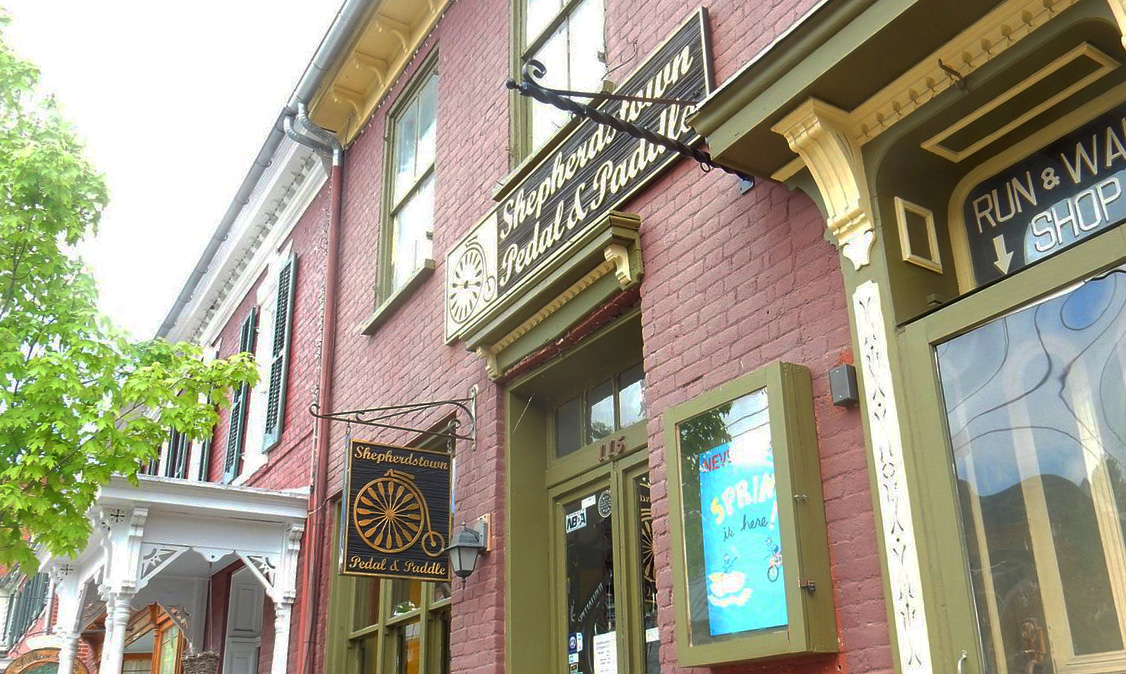
By Simon Pitts
Shepherdstown, with its rich history and vibrant culture, is an ideal base for exploring the scenic and historic wonders of the surrounding region. Whether you’re interested in outdoor adventures, historic landmarks, or charming small towns, there’s something for everyone within a short drive of Shepherdstown. Here’s a curated list of the top day trips to take from Shepherdstown, each offering a unique glimpse into the beauty and history of the area.
1. Harpers Ferry National Historical Park
Just a 15-minute drive from Shepherdstown, Harpers Ferry National Historical Park is a must-visit destination for history enthusiasts and nature lovers alike. Harpers Ferry is steeped in Civil War history, known as the site of John Brown’s raid in 1859, an event that helped ignite the Civil War. The park offers a blend of historical sites, museums, and scenic hiking trails with stunning views of the Potomac and Shenandoah Rivers. Wander through the historic Lower Town, visit John Brown’s Fort, and hike up to Maryland Heights for a panoramic view of the area.
Don’t Miss: The Appalachian Trail runs through Harpers Ferry, offering a great opportunity for a day hike along one of America’s most famous trails.
2. Antietam National Battlefield
Located about 30 minutes from Shepherdstown in Sharpsburg, Maryland, Antietam National Battlefield is the site of the bloodiest single-day battle in American history, fought on September 17, 1862, during the Civil War. The battlefield is well-preserved and offers visitors a chance to explore the historic grounds where Union and Confederate soldiers clashed. The visitor center provides an excellent overview of the battle, and the driving tour allows you to explore key locations such as the Dunker Church, Bloody Lane, and Burnside Bridge.
Don’t Miss: The guided battlefield tours, led by knowledgeable park rangers, offer deep insights into the strategies and significance of the battle.
3. C&O Canal National Historical Park
The C&O Canal National Historical Park stretches along the Potomac River, offering a scenic and leisurely day trip option just across the river from Shepherdstown. The canal, originally built for transporting goods, now serves as a peaceful escape for outdoor enthusiasts. The towpath along the canal is perfect for biking, walking, and wildlife watching, with miles of flat, shaded trails that follow the river. Pack a picnic and enjoy the tranquility of the natural surroundings.
Don’t Miss: The Great Falls of the Potomac, located farther down the canal, is a breathtaking natural wonder worth the drive.
4. Berkeley Springs State Park
About 45 minutes from Shepherdstown, Berkeley Springs State Park in Berkeley Springs, West Virginia, is known for its natural mineral springs and historic bathhouses. The park has been a popular destination for relaxation and rejuvenation since colonial times, and it continues to attract visitors seeking the therapeutic benefits of the springs. Enjoy a soak in the warm mineral waters, explore the historic Roman Bathhouse, and take a stroll through the charming town of Berkeley Springs, known for its arts and crafts shops.
Don’t Miss: The Berkeley Springs Castle, perched on a hill overlooking the town, offers a glimpse into the area’s unique history.
5. Antietam Creek Vineyards
For those who appreciate wine and scenic countryside views, a visit to Antietam Creek Vineyards is a delightful way to spend a day. Located near Sharpsburg, Maryland, and just a short drive from Antietam Battlefield, this family-owned vineyard produces a range of wines that reflect the terroir of the region. The tasting room offers a relaxed atmosphere where you can sample wines while enjoying views of the surrounding vineyards and rolling hills.
Don’t Miss: The vineyard’s events, such as wine tastings and vineyard tours, provide an immersive experience into the winemaking process.
6. Shepherdstown Pedal & Paddle
For a fun and active day trip that combines outdoor adventure with local exploration, check out Shepherdstown Pedal & Paddle. This local outfitter offers bike rentals, guided bike tours, and kayak rentals, allowing you to explore the C&O Canal towpath or paddle down the Potomac River. Whether you’re a seasoned cyclist or a first-time kayaker, Pedal & Paddle provides all the equipment and guidance you need for a memorable outdoor experience.
Don’t Miss: The guided kayak tours, which offer a unique perspective of the Potomac River’s natural beauty and historical significance.
Shepherdstown’s location at the crossroads of history and nature makes it the perfect base for exploring the rich attractions of the surrounding area. Whether you’re interested in hiking through historic battlefields, relaxing in natural mineral springs, or sipping wine at a local vineyard, these day trips offer a diverse array of experiences that showcase the best of West Virginia and beyond. So pack your bags, hit the road, and discover the many treasures that await just a short drive from Shepherdstown.
Log In to comment on this post!
Exploring Shepherd University and Its Influence on the Town
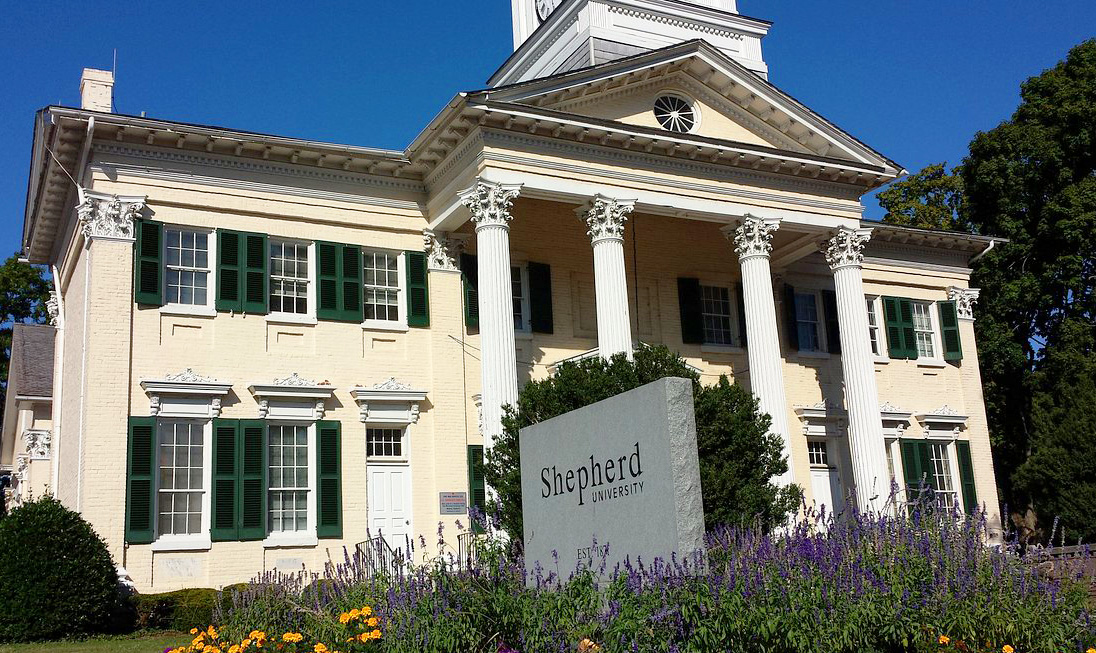
By Greg Hamilton
Shepherd University, nestled in the historic town of Shepherdstown, West Virginia, is more than just an institution of higher learning; it's a cornerstone of the community that has shaped the town's identity, culture, and economy for over a century. Founded in 1871, the university has grown alongside Shepherdstown, with each influencing the other in profound ways. This in-depth feature explores the symbiotic relationship between Shepherd University and the town, highlighting how the university has contributed to Shepherdstown’s vibrancy, diversity, and cultural richness.
A Historical Overview: From Shepherd College to Shepherd University
Shepherd University began as Shepherd College, a small teacher training school, before evolving into a comprehensive university offering a wide range of undergraduate and graduate programs. The institution's growth has paralleled that of Shepherdstown, with both benefiting from a shared history that dates back to the post-Civil War era.
As the university expanded, so did its impact on the town. Early on, the influx of students and faculty members brought new life to Shepherdstown, transforming it from a sleepy village into a bustling community. The construction of academic buildings, dormitories, and other facilities not only provided educational opportunities but also stimulated local businesses and the town’s economy.
Academic Excellence and Community Engagement
Shepherd University’s commitment to academic excellence has made it a respected institution within the region. The university offers a variety of programs across disciplines, from the arts and humanities to science and technology. These programs attract students from all over the country, who in turn bring diverse perspectives and talents to the town.
One of the university’s standout features is its strong emphasis on community engagement. Shepherd University encourages students to participate in community service, internships, and collaborative projects with local organizations. This approach has fostered a deep connection between the university and the town, with students and faculty members actively contributing to the social and cultural fabric of Shepherdstown.
The university’s Center for Appalachian Studies and Communities exemplifies this commitment. The center focuses on the history, culture, and challenges of the Appalachian region, offering students the chance to engage with the community through research, advocacy, and service projects. The center’s initiatives have not only enhanced students’ educational experiences but have also had a lasting impact on the local community.
Cultural Contributions: Shepherd University as a Cultural Hub
Shepherd University has played a significant role in establishing Shepherdstown as a cultural hub in West Virginia. The university’s Frank Center for the Creative Arts is a focal point for the town’s cultural scene, hosting a wide range of events, including theater productions, concerts, art exhibitions, and literary readings. These events are open to the public, making the arts accessible to everyone in the community.
One of the most anticipated events is the Contemporary American Theater Festival (CATF), held annually on the Shepherd University campus. CATF is recognized as one of the top theater festivals in the country, drawing playwrights, directors, and audiences from across the nation. The festival showcases new American plays and provides a platform for innovative and thought-provoking works. CATF has not only brought national attention to Shepherdstown but has also fostered a vibrant arts community within the town.
In addition to theater, the university’s School of Music offers a robust program of performances throughout the year, including recitals, ensemble concerts, and guest artist appearances. These performances enrich the cultural life of Shepherdstown and provide students with invaluable opportunities to showcase their talents.
Economic Impact: Shepherd University as a Driving Force
The presence of Shepherd University has had a substantial economic impact on Shepherdstown. The university is one of the largest employers in the area, providing jobs for faculty, staff, and students. Additionally, the influx of students each year stimulates the local economy, with businesses benefiting from the steady flow of customers.
Local shops, restaurants, and service providers have flourished thanks to the patronage of students, faculty, and visitors. The university’s events and conferences also attract tourists, who contribute to the town’s hospitality industry. Hotels, bed and breakfasts, and other accommodations often see increased bookings during university-related events, such as commencement ceremonies and sports tournaments.
The university’s presence has also led to investments in infrastructure and amenities, enhancing the overall quality of life in Shepherdstown. For example, the university’s expansion has supported the development of new housing, improved public transportation, and upgraded utilities, all of which benefit the broader community.
Challenges and Opportunities: The Future of Shepherdstown and Shepherd University
While the relationship between Shepherd University and Shepherdstown has been overwhelmingly positive, it has not been without challenges. The growth of the university has occasionally strained the town’s resources, leading to concerns about housing, traffic, and the preservation of Shepherdstown’s historic character.
However, these challenges also present opportunities for collaboration and innovation. The university and town leaders have worked together to address these issues through careful planning and open dialogue. Initiatives such as sustainable development practices, improved public transportation options, and the preservation of historic sites are examples of how the town and university are striving to balance growth with maintaining the unique character of Shepherdstown.
As Shepherd University continues to evolve, its influence on the town will undoubtedly remain strong. The university’s commitment to academic excellence, cultural enrichment, and community engagement ensures that it will continue to be a driving force in Shepherdstown’s future.
Shepherd University is more than just an educational institution; it is the heart of Shepherdstown, shaping the town’s identity, culture, and economy in profound ways. The university’s influence extends beyond its campus, enriching the lives of residents and visitors alike through its academic programs, cultural contributions, and community engagement. As Shepherdstown continues to grow and evolve, the enduring partnership between the town and university will remain a cornerstone of its success, ensuring that this historic town continues to thrive as a center of learning, culture, and community.
Log In to comment on this post!
Top 6 Unique Shops and Eateries in Shepherdstown
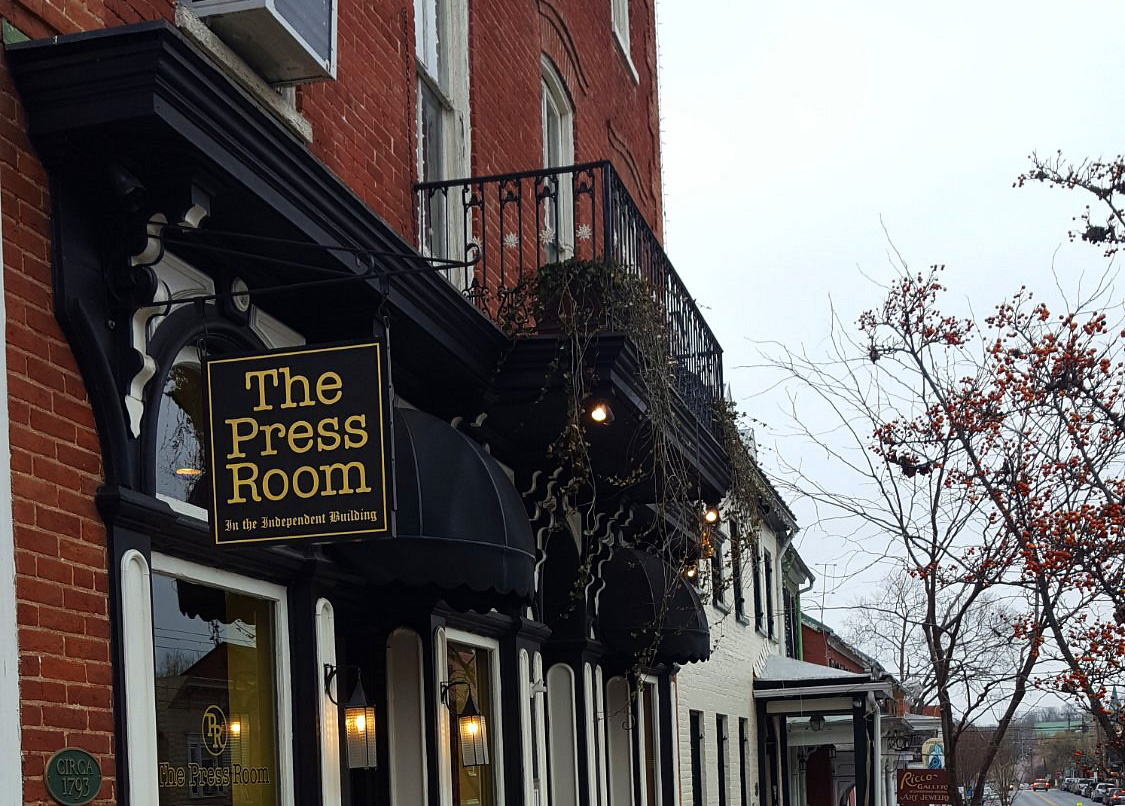
By Amber Brown
Shepherdstown, West Virginia, is a haven for those who love unique shopping experiences and delicious, locally-sourced cuisine. This charming town offers an eclectic mix of boutiques, galleries, and eateries that reflect its vibrant, artistic spirit. Here’s a curated list of the top six must-visit shops and eateries that capture the essence of Shepherdstown.
1. Four Seasons Books
Four Seasons Books is an independent bookstore that has been a cornerstone of Shepherdstown’s literary scene for decades. With its cozy atmosphere, knowledgeable staff, and well-curated selection of books, it’s a paradise for book lovers. The store offers a wide range of titles, including local authors, regional history, and the latest bestsellers. It’s also a hub for community events, hosting book signings, readings, and literary discussions that bring together authors and readers in a warm, welcoming space.
Don’t Miss: The local author section, where you can find works that capture the spirit and stories of the Appalachian region.
2. Dickinson & Wait Craft Gallery
For those who appreciate fine crafts and art, Dickinson & Wait Craft Gallery is a must-visit. This gallery showcases the work of local and regional artisans, offering a diverse selection of pottery, jewelry, textiles, and more. Each piece is carefully chosen for its craftsmanship and artistic merit, making this shop a great place to find unique gifts or one-of-a-kind items for your home. The gallery’s collection reflects the rich cultural heritage of the region while also embracing contemporary artistic expressions.
Don’t Miss: The handcrafted pottery section, featuring beautiful, functional pieces that make perfect souvenirs or gifts.
3. Lost Dog Coffee
Lost Dog Coffee is more than just a coffee shop—it’s an experience. This quirky, eclectic café has become a local institution, known for its strong, flavorful coffee and laid-back vibe. The interior is filled with colorful artwork, mismatched furniture, and an array of books and games, creating a space that feels like a cozy living room. Whether you’re stopping in for a quick espresso or spending a leisurely afternoon with a book, Lost Dog Coffee is the perfect place to unwind and soak in the local culture.
Don’t Miss: The “Local Roast” coffee blend, made from beans sourced from regional coffee farms and roasted to perfection.
4. The Press Room
For a taste of Shepherdstown’s culinary excellence, The Press Room is a dining destination that shouldn’t be missed. This upscale yet approachable restaurant offers a menu that blends classic American cuisine with modern twists, using locally-sourced ingredients whenever possible. The Press Room is known for its warm, inviting atmosphere and attentive service, making it a favorite among locals and visitors alike. The menu changes seasonally, ensuring that each visit offers something new and exciting.
Don’t Miss: The crab cakes, a house specialty that has earned rave reviews for their fresh, flavorful preparation.
5. O’Hurley’s General Store
Step back in time at O’Hurley’s General Store, a Shepherdstown institution that has been serving the community for over 100 years. This old-fashioned general store is a treasure trove of goods, from handmade crafts and home goods to toys and musical instruments. The store’s creaky wooden floors and antique displays evoke a sense of nostalgia, making it a delightful place to browse and explore. O’Hurley’s also hosts weekly music gatherings, where local musicians come together to play traditional Appalachian tunes.
Don’t Miss: The selection of handcrafted wooden toys, perfect for children and collectors alike.
6. The Blue Moon Café
Set in a historic building with a beautiful garden patio, The Blue Moon Café offers a dining experience that combines great food with a relaxed, artistic ambiance. The café’s menu features a mix of American and international dishes, with an emphasis on fresh, local ingredients. The Blue Moon Café is also known for its vibrant live music scene, hosting performances by local and regional musicians several nights a week. Whether you’re enjoying a meal inside the cozy, art-filled dining room or outside in the garden, the Blue Moon Café is a place where you can savor both the food and the atmosphere.
Don’t Miss: The “Moon Burger,” made with locally-sourced beef and topped with creative, gourmet ingredients.
Shepherdstown is a town that delights the senses, offering unique shopping and dining experiences that reflect its rich cultural heritage and creative spirit. Whether you’re in the mood for browsing through books and crafts or enjoying a meal at one of the town’s standout eateries, these six spots provide a perfect snapshot of what makes Shepherdstown so special. So take a stroll through this historic town, and discover the treasures that await around every corner.
Log In to comment on this post!
Haunted History: Ghost Tours and Legends of Shepherdstown
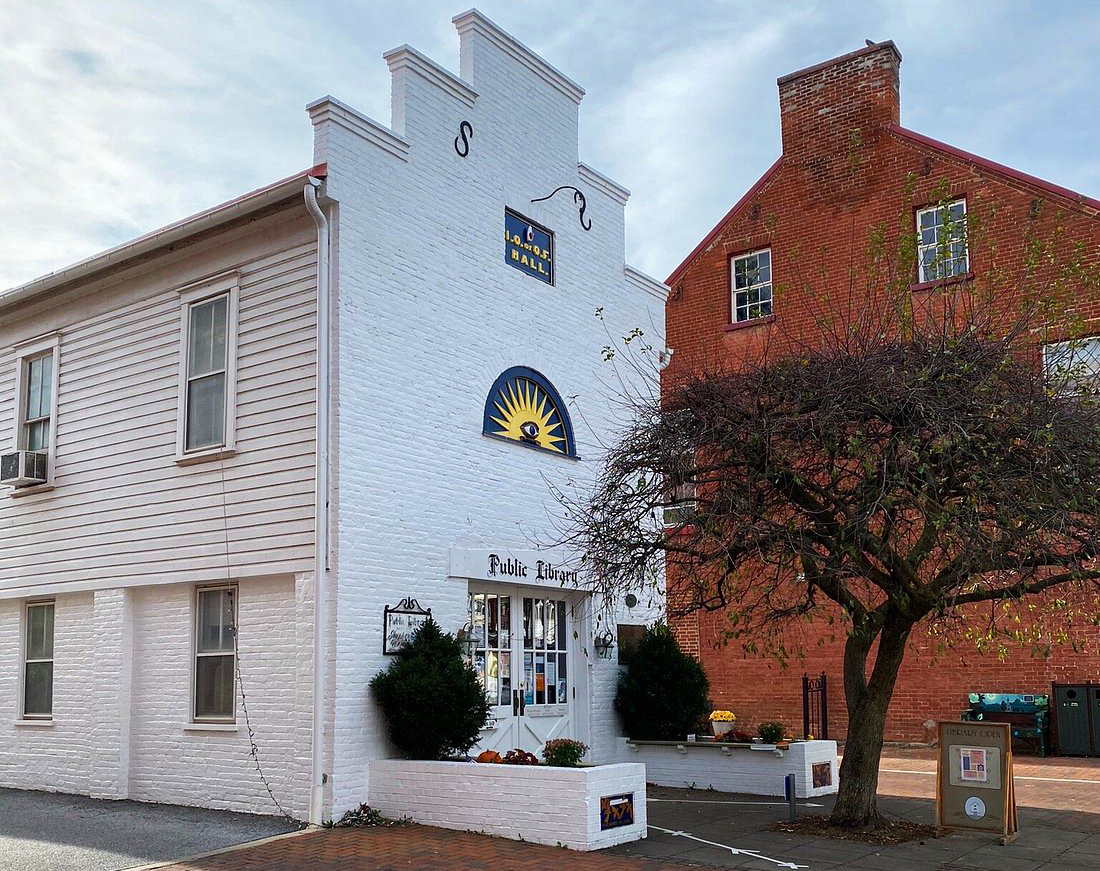
By Charlotte Dawson
Shepherdstown, West Virginia, is a town where history and mystery intertwine. Known as one of the most haunted small towns in America, Shepherdstown's past is filled with tales of ghostly encounters and eerie legends that continue to captivate residents and visitors alike. Exploring these haunted histories offers a unique way to delve into the town’s storied past, blending historical fact with supernatural lore. In this article, we'll take a deep dive into Shepherdstown’s ghost tours and some of the most famous legends that have given the town its haunted reputation.
The Origins of Shepherdstown’s Haunted Reputation
Shepherdstown’s haunted history dates back to its founding in the 18th century. As one of West Virginia’s oldest towns, Shepherdstown has witnessed significant events, from colonial times through the Civil War, each leaving its mark on the town. Many of the buildings in the historic district have stood for centuries, and with such a long history, it’s no surprise that stories of ghostly inhabitants have emerged.
The town’s reputation as a haunted hotspot gained national attention in 2016 with the release of the TV series "Ghosts of Shepherdstown," which investigated paranormal activity in the area. The show brought to light many of the town’s ghostly legends, cementing Shepherdstown’s status as a must-visit destination for ghost hunters and history buffs alike.
The Shepherdstown Ghost Tours
One of the best ways to experience the haunted side of Shepherdstown is by joining one of the Shepherdstown Ghost Tours. These guided tours take you through the town’s historic streets, stopping at various sites known for their paranormal activity. As you walk under the dim glow of streetlights, your guide—a storyteller steeped in the town’s history—will regale you with tales of hauntings, unexplained phenomena, and the history behind the spirits said to linger in Shepherdstown.
1. The Shepherdstown Public Library
The Shepherdstown Public Library is housed in a building that dates back to the 19th century and is one of the most haunted locations on the tour. The library was once a hotel, and according to legend, it’s haunted by the spirit of a Confederate soldier who met a tragic end during the Civil War. Visitors and staff have reported seeing a ghostly figure in Confederate uniform roaming the halls, and some have even claimed to hear disembodied footsteps late at night.
2. The Old Opera House
The Old Opera House, now a theater, is another stop on the ghost tour and a site with a long history of paranormal activity. Built in the 1880s, the theater is said to be haunted by the ghost of a young actress who died tragically on stage. Witnesses have reported seeing her ghostly figure in the balcony and hearing her voice echo through the empty theater. The Old Opera House remains a popular location for ghost hunters, who are drawn by its eerie atmosphere and reports of unexplained occurrences.
3. The Rumsey Monument and Potomac River
The Rumsey Monument and the surrounding area by the Potomac River are known for their spectral sightings, particularly those linked to the spirits of Native Americans and early settlers. The monument itself, dedicated to inventor James Rumsey, is often included in the ghost tour as a place where visitors have experienced cold spots, strange lights, and the feeling of being watched. The nearby riverbank, with its dark and tranquil setting, adds to the mysterious aura of the site.
Famous Legends and Ghostly Encounters
Beyond the organized tours, Shepherdstown is home to several well-known ghost stories and legends that have been passed down through generations. These tales are an integral part of the town’s identity, adding a layer of intrigue to its historic charm.
1. The Spirit of James Rumsey
James Rumsey, the inventor who demonstrated the first steamboat on the Potomac River, is said to still roam the town. His ghost is often spotted near the Rumsey Monument and along the river, where he conducted his experiments. Some believe that Rumsey’s spirit lingers because he died suddenly before he could fully realize his inventions’ potential, leaving behind unfinished business.
2. The Haunted Cave
One of the most chilling legends in Shepherdstown involves a cave near the Potomac River, where it’s said that a group of Confederate soldiers took refuge during the Civil War. According to the legend, the soldiers were trapped inside the cave by Union forces and perished there. To this day, people claim to hear their desperate cries for help echoing from within the cave at night.
3. The Phantom Horseman
Another eerie tale is that of the Phantom Horseman. Local lore tells of a soldier from the Revolutionary War who rides through the town on a ghostly horse, searching for his lost comrades. The sound of galloping hooves has been reported by residents late at night, particularly on foggy evenings, adding to the town’s ghostly atmosphere.
Ghost Hunting in Shepherdstown
For those intrigued by the paranormal, Shepherdstown offers several opportunities for ghost hunting. Local ghost hunting groups often host events and investigations, where participants can use equipment like EMF detectors and spirit boxes to try to communicate with the spirits that are said to inhabit the town.
The Shepherdstown Museum also offers insights into the town’s haunted history, with exhibits that explore the connection between Shepherdstown’s past and its paranormal activity. The museum provides a great starting point for anyone interested in the ghostly side of the town.
Shepherdstown is a town where history and the supernatural coexist, creating a destination that’s as mysterious as it is charming. Whether you’re a skeptic or a believer, exploring Shepherdstown’s haunted history offers a unique way to connect with the town’s past and experience its vibrant culture. From guided ghost tours to legendary tales passed down through the years, Shepherdstown’s ghostly residents ensure that this historic town continues to intrigue and inspire all who visit. So, come for the history, stay for the haunts, and see for yourself what makes Shepherdstown one of West Virginia’s most captivating destinations.
Log In to comment on this post!
Discovering Shepherdstown: A Historic and Cultural Gem
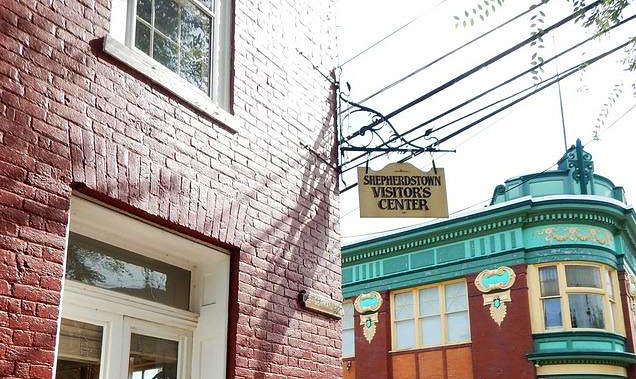
By Brian and Aubrey
Shepherdstown, West Virginia, is a small town with a big history and a vibrant cultural scene. Located along the Potomac River, this charming town is the oldest in the state, dating back to 1762. Its well-preserved historic buildings, lively arts community, and scenic natural surroundings make it a must-visit destination for anyone interested in exploring the rich heritage and dynamic culture of West Virginia.
A Walk Through History
Shepherdstown’s historic district is a delight for history enthusiasts. The town’s history is visible at every turn, from the colonial architecture to the cobblestone streets. Start your exploration at the Shepherdstown Visitors Center, where you can pick up maps and learn about the town’s history. The Rumsey Monument is a highlight, commemorating James Rumsey, who demonstrated the first steamboat on the Potomac River in 1787. The monument offers beautiful views of the river and surrounding landscape.
Don’t miss the Entler Hotel and Museum, a restored 18th-century building that now serves as a museum. Here, you can delve into the town’s past, from its role in the Civil War to its evolution into a modern-day cultural hub. The museum’s exhibits are well-curated and provide a fascinating glimpse into the life of early Shepherdstown residents.
Cultural Riches
Shepherdstown’s cultural scene is as vibrant as its history is deep. The town is home to Shepherd University, which plays a significant role in the local arts community. The university’s Frank Center for the Creative Arts hosts regular performances, including theater productions, concerts, and dance performances. The center’s events are open to the public, making it a great way to experience the town’s creative energy.
The Contemporary American Theater Festival (CATF) is another cultural gem in Shepherdstown. Held every summer, CATF is a nationally recognized festival that showcases new American plays. The festival attracts theatergoers from across the country and is known for its innovative and thought-provoking productions. If you’re visiting Shepherdstown in July, attending a CATF performance is a must.
For visual art enthusiasts, the Shepherdstown Art Gallery offers a rotating selection of works by local and regional artists. The gallery is a great place to discover the creativity that thrives in this small town. Whether you’re interested in paintings, sculpture, or mixed media, you’ll find something that speaks to you.
Outdoor Adventures
Shepherdstown’s location along the Potomac River and near the Appalachian Trail makes it an excellent base for outdoor activities. The C&O Canal National Historical Park, just across the river in Maryland, offers over 180 miles of towpath for hiking and biking. The park’s scenic trails wind along the Potomac, providing stunning views of the river and surrounding landscapes.
The Appalachian Trail is also easily accessible from Shepherdstown. A short drive will take you to Harpers Ferry, where the trail crosses the Potomac River. From there, you can hike sections of the trail that offer panoramic views of the Shenandoah and Potomac Rivers.
For a more leisurely outdoor experience, take a stroll through Morgan’s Grove Park. This beautiful park offers walking trails, picnic areas, and a playground, making it a great spot for families to relax and enjoy nature.
Dining and Shopping
Shepherdstown’s dining scene is as diverse as its cultural offerings. The town boasts a range of restaurants that cater to all tastes, from casual cafes to fine dining establishments. The Press Room is a local favorite, offering a menu that blends classic American cuisine with contemporary twists. The restaurant’s cozy atmosphere and delicious dishes make it a must-visit.
For a more casual dining experience, Lost Dog Coffee is the perfect spot. This quirky coffee shop serves up excellent coffee, sandwiches, and baked goods in a laid-back setting. It’s also a great place to catch live music or simply relax with a good book.
Shepherdstown is also home to a variety of unique shops and boutiques. Four Seasons Books is an independent bookstore with a carefully curated selection of books, including many by local authors. The store’s knowledgeable staff are always on hand to help you find your next great read.
For those interested in antiques, Dickinson & Wait Craft Gallery offers a delightful mix of vintage items, crafts, and art. The gallery’s selection of handmade items and one-of-a-kind finds makes it a great place to pick up a souvenir or gift.
Events and Festivals
Shepherdstown’s calendar is filled with events and festivals that celebrate the town’s rich history and vibrant culture. In addition to the CATF, the town hosts the Shepherdstown Street Fest, a summer festival that features live music, food vendors, and artisan crafts. The festival is a celebration of community and creativity, drawing visitors from all over the region.
In December, the Shepherdstown Christmas in Shepherdstown event transforms the town into a winter wonderland. The event includes a tree lighting ceremony, holiday markets, and a parade, making it a festive time to visit.
Where to Stay
Shepherdstown offers a range of accommodations that reflect the town’s historic charm and modern amenities. The Bavarian Inn is a luxurious option, offering European-style hospitality in a stunning setting overlooking the Potomac River. The inn features beautifully appointed rooms, fine dining, and an outdoor infinity pool with breathtaking views.
For a more intimate experience, consider staying at one of the town’s bed and breakfasts, such as the Thomas Shepherd Inn. This historic inn offers comfortable rooms, a delicious breakfast, and warm hospitality, making it a perfect home base for your Shepherdstown adventure.
Shepherdstown is a town that beautifully blends history, culture, and natural beauty. Whether you’re exploring its historic streets, attending a theater festival, or enjoying a hike along the Potomac, you’ll find that Shepherdstown offers an experience that is both enriching and unforgettable. As you immerse yourself in the charm and vibrancy of this small town, you’ll discover why it’s one of West Virginia’s true gems.
Log In to comment on this post!
Best Outdoor Activities Around Lewisburg
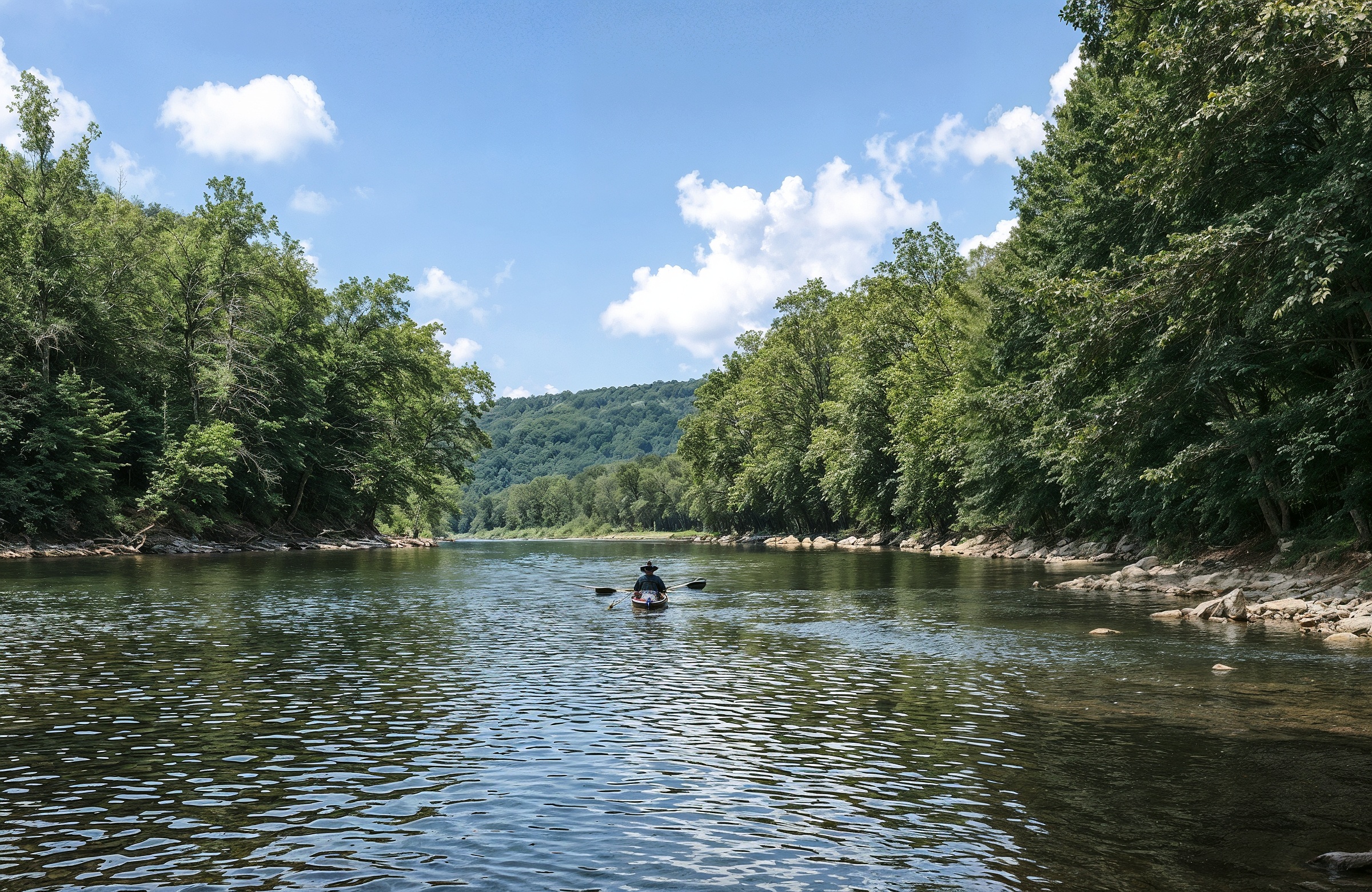
By Brian and Aubrey
Lewisburg, West Virginia, is a gateway to some of the most breathtaking outdoor adventures in the Greenbrier Valley. Whether you’re seeking a leisurely hike, thrilling water activities, or simply a peaceful retreat in nature, this region has it all. Here’s a curated list of the best outdoor activities to enjoy around Lewisburg, each offering a unique way to experience the natural beauty of the area.
1. Biking the Greenbrier River Trail
The Greenbrier River Trail is a 78-mile rail-trail that offers one of the most scenic biking experiences in West Virginia. The trail follows the Greenbrier River, providing cyclists with stunning views of the water, mountains, and forests. The relatively flat terrain makes it accessible for all skill levels, while the trail’s length allows for anything from a short ride to an all-day adventure. Along the way, you’ll pass through charming small towns, historic sites, and plenty of picnic spots where you can take a break and soak in the surroundings.
2. Hiking at Beartown State Park
Beartown State Park is a hidden gem located just a short drive from Lewisburg. The park is known for its unique rock formations and deep crevices, which create a landscape that feels like something out of a fantasy novel. The park’s boardwalk trail winds through this labyrinth of rocks, offering hikers an easy and accessible way to explore the area’s natural beauty. The trail is particularly beautiful in the fall when the leaves change color, creating a vibrant contrast against the gray stone.
3. Kayaking on the Greenbrier River
For a more water-based adventure, kayaking on the Greenbrier River is a must. The river’s calm, clear waters are perfect for a relaxing paddle, whether you’re a seasoned kayaker or a beginner. The river winds through lush forests and open meadows, offering plenty of opportunities to spot wildlife along the way. Several local outfitters offer kayak rentals and guided tours, making it easy to get out on the water and explore this beautiful river.
4. Exploring Lost World Caverns
Lost World Caverns is an underground wonder located just outside of Lewisburg. This extensive cave system features stunning limestone formations, including stalactites, stalagmites, and flowstone. The caverns are accessible to visitors through guided tours that explore the history and geology of the area. For the more adventurous, wild cave tours are also available, allowing you to venture into less-explored sections of the caverns. The experience is both awe-inspiring and educational, making it a perfect activity for families and adventure seekers alike.
5. Fishing at Lake Sherwood Recreation Area
The Lake Sherwood Recreation Area, located in the Monongahela National Forest, is a haven for fishing enthusiasts. The lake is stocked with a variety of fish, including trout, bass, and catfish, making it a popular spot for both casual anglers and serious fishermen. The surrounding area offers picnic spots, hiking trails, and campsites, making it a great destination for a day trip or a weekend getaway. The peaceful setting and clear waters of Lake Sherwood provide the perfect backdrop for a relaxing day of fishing.
6. Horseback Riding at Greenbrier State Forest
For those who love to explore nature on horseback, the Greenbrier State Forest offers several miles of equestrian trails that wind through the forest’s rolling hills and lush woodlands. The trails vary in difficulty, from gentle paths suitable for beginners to more challenging routes for experienced riders. Local stables offer guided trail rides, providing both horses and expert guidance for an unforgettable horseback riding experience. The forest’s diverse landscape, rich in flora and fauna, makes it an ideal spot for horseback riding enthusiasts to connect with nature.
Lewisburg and the surrounding Greenbrier Valley offer a wealth of outdoor activities that cater to all interests and skill levels. Whether you’re exploring the scenic trails, paddling down the river, or delving into the depths of a cavern, you’ll find that the natural beauty of this region is matched only by the variety of ways to experience it. So pack your gear, head out into the great outdoors, and discover the adventures that await you in and around Lewisburg.
Log In to comment on this post!
Exploring Greenbrier Valley: Lewisburg as Your Base
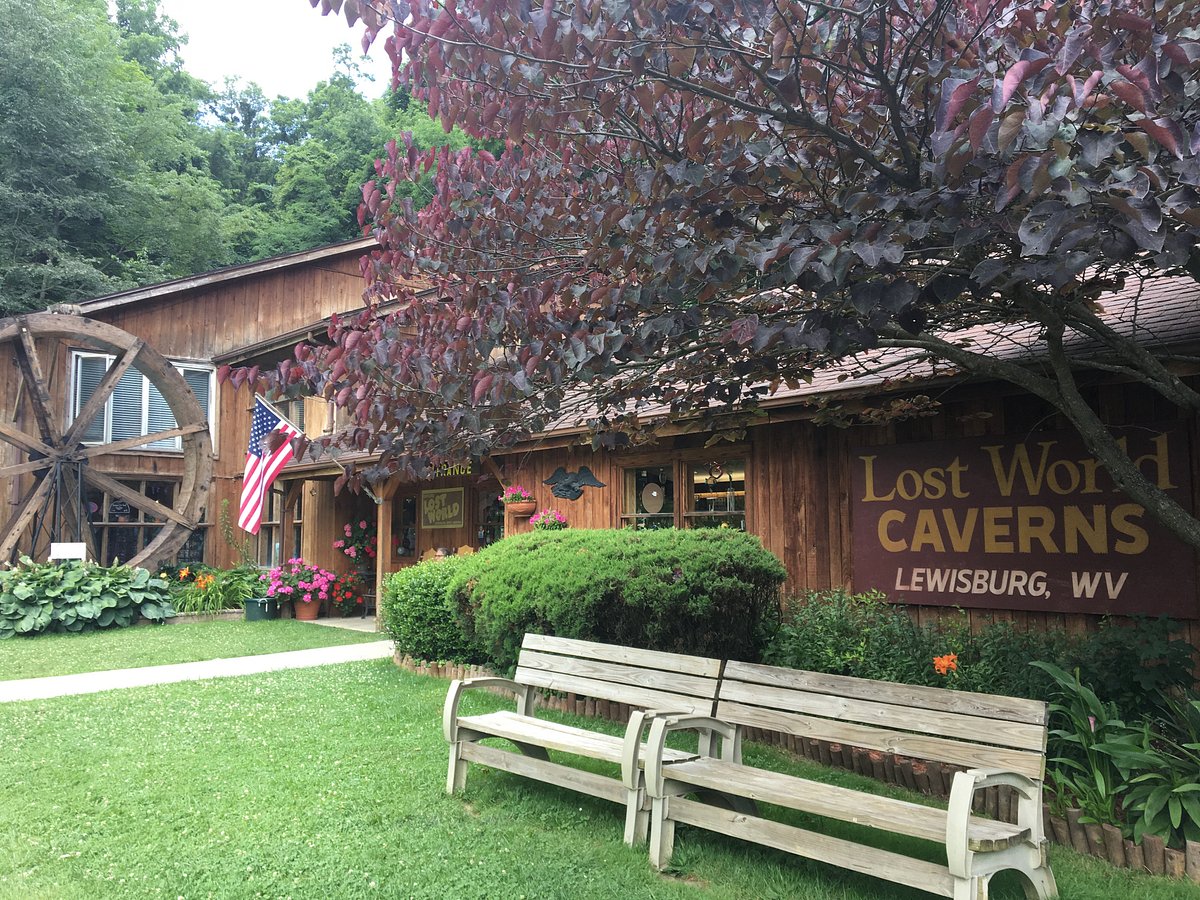
By Greg Hamilton
Nestled in the heart of West Virginia, Lewisburg is the perfect gateway to exploring the scenic and culturally rich Greenbrier Valley. Known for its historic charm, vibrant arts scene, and close-knit community, Lewisburg provides an ideal base for travelers seeking both adventure and relaxation in this picturesque region.
Lewisburg: The Cultural Hub of Greenbrier Valley
Lewisburg's unique blend of history and modernity makes it a standout destination. As you stroll through its historic downtown, you’ll find a mix of beautifully preserved 18th and 19th-century architecture, boutique shops, art galleries, and a thriving culinary scene. The town's central location and welcoming atmosphere make it a convenient and comfortable base for exploring the Greenbrier Valley's many attractions.
1. Historic Downtown Lewisburg
Lewisburg’s downtown is a treasure trove of history and culture. Start your journey at the Greenbrier Historical Society & North House Museum, where you can delve into the region’s past through fascinating exhibits and guided tours. Wander down Washington Street, the heart of downtown, where you’ll find everything from antique shops to contemporary art galleries. Be sure to stop by Carnegie Hall, a historic venue that hosts a wide range of cultural events, from concerts to art exhibitions.
2. The Greenbrier Resort
Just a short drive from Lewisburg lies the world-renowned Greenbrier Resort, a luxury retreat that has hosted presidents, royalty, and celebrities. The resort’s stunning architecture and opulent interiors are matched only by its range of activities, including golf, spa treatments, and fine dining. For history enthusiasts, a visit to the Cold War-era bunker, once a top-secret government facility, is a must.
3. Lost World Caverns
A visit to the Lost World Caverns offers a subterranean adventure like no other. Located just outside of Lewisburg, these awe-inspiring limestone caverns feature stunning formations such as stalactites, stalagmites, and flowstone. Guided tours provide insights into the geological history of the area, while more adventurous visitors can opt for a wild cave tour, exploring less-traveled sections of the caverns.
Outdoor Adventures: Exploring the Natural Beauty of Greenbrier Valley
The Greenbrier Valley is a paradise for outdoor enthusiasts, offering a diverse array of activities that showcase the region’s natural beauty. From hiking and biking to fishing and horseback riding, there’s something for everyone to enjoy.
1. Greenbrier River Trail
One of the best ways to experience the valley's natural beauty is by biking or hiking the Greenbrier River Trail. This 78-mile rail-trail runs along the Greenbrier River, offering spectacular views of the water, forests, and surrounding mountains. The trail is relatively flat, making it accessible for all fitness levels, and it's dotted with charming small towns and picnic spots along the way. Whether you’re looking for a leisurely ride or an extended adventure, the Greenbrier River Trail is a must.
2. Organ Cave
Organ Cave, a National Natural Landmark, is another natural wonder near Lewisburg. This extensive cave system offers guided tours that explore its geological formations and historical significance, including its use as a saltpeter mine during the Civil War. The cave is also home to an array of fossils and unique wildlife, making it a fascinating destination for both history buffs and nature lovers.
3. Beartown State Park
For those seeking a more rugged outdoor experience, Beartown State Park offers stunning sandstone formations and deep crevices that create a landscape reminiscent of a lost world. The park’s boardwalk trail winds through a labyrinth of rock formations, providing breathtaking views and a unique hiking experience. The dense forest and cool, shaded pathways make it an ideal spot for a summer hike.
Cultural Events and Festivals: Celebrating the Spirit of Greenbrier Valley
The Greenbrier Valley is known for its vibrant cultural scene, and Lewisburg plays host to a variety of events and festivals that celebrate the region's rich heritage and creative spirit.
1. Lewisburg Literary Festival
The Lewisburg Literary Festival is a highlight of the town’s cultural calendar, drawing authors, poets, and readers for a weekend of literary exploration. The festival features author readings, panel discussions, and book signings, offering a platform for both established and emerging writers. The intimate setting of Lewisburg allows for meaningful interactions between writers and readers, making the festival a unique and engaging experience.
2. Taste of Our Towns (TOOT)
Held every October, Taste of Our Towns (TOOT) is a food festival that showcases the culinary talents of the Greenbrier Valley. Local restaurants, caterers, and food vendors set up stalls along Washington Street, offering a wide range of delicious dishes and treats. The event also features live music, craft vendors, and activities for children, making it a family-friendly celebration of the region’s culinary diversity.
3. The State Fair of West Virginia
Located in nearby Fairlea, the State Fair of West Virginia is an iconic event that draws visitors from across the state and beyond. The fair offers everything from livestock shows and agricultural exhibits to carnival rides and live entertainment. It’s a wonderful way to experience the agricultural traditions and vibrant culture of the Greenbrier Valley, with something for everyone to enjoy.
Lewisburg is more than just a charming small town; it’s a cultural and natural hub that serves as the perfect base for exploring the Greenbrier Valley. Whether you’re delving into the town’s rich history, embarking on outdoor adventures, or immersing yourself in the local arts scene, Lewisburg offers an experience that’s both enriching and memorable. So pack your bags, set your sights on this West Virginia gem, and discover all that the Greenbrier Valley has to offer.
Log In to comment on this post!
Lewisburg's Art and Culture Scene: Galleries, Festivals, and More

By Amber Brown
Lewisburg, West Virginia, is not just a small town with historic charm; it’s a thriving hub for arts and culture that has earned its place on the map as a destination for creativity and expression. From intimate art galleries to vibrant festivals that bring the community together, Lewisburg offers a rich tapestry of cultural experiences that both residents and visitors cherish. This in-depth feature explores the heart of Lewisburg’s art scene, showcasing the galleries, festivals, and cultural institutions that make this town a true artistic gem.
Art Galleries: Showcasing Local and Regional Talent
Lewisburg is home to a diverse range of art galleries that highlight the work of local and regional artists, offering everything from contemporary pieces to traditional Appalachian crafts.
1. Harmony Ridge Gallery
Harmony Ridge Gallery stands out as a premier destination for art lovers. This gallery offers a carefully curated selection of fine art, pottery, jewelry, and unique crafts, all created by talented artists from the region. The gallery’s collection is eclectic, blending modern and traditional styles to create a space where every visitor can find something that resonates. The friendly and knowledgeable staff at Harmony Ridge are always eager to share the stories behind the pieces, making the gallery experience both personal and engaging.
2. Cooper Gallery
Another notable gallery is the Cooper Gallery, which features an impressive array of fine art, including paintings, sculptures, and photography. The gallery’s rotating exhibitions ensure that there’s always something new to see, and its commitment to showcasing both emerging and established artists makes it a vital part of Lewisburg’s art scene. The gallery often hosts artist talks and workshops, providing a platform for artists to connect with the community and share their creative processes.
3. Lee Street Studios
For a more hands-on experience, Lee Street Studios offers a unique blend of art and education. This multi-use space includes artist studios, a gallery, and classrooms where visitors can take part in workshops and classes. Lee Street Studios is a collaborative environment where artists and art enthusiasts come together to create, learn, and appreciate the arts. The studio’s gallery showcases the work of its resident artists, offering a behind-the-scenes look at the creative process.
Performing Arts: A Stage for Every Talent
Lewisburg’s commitment to the arts extends beyond visual art to include a vibrant performing arts scene. The town is home to several venues that host a variety of performances, from theater and dance to live music.
1. Carnegie Hall
Carnegie Hall is the crown jewel of Lewisburg’s performing arts scene. As one of only four Carnegie Halls still in continuous use, this historic venue hosts an impressive lineup of concerts, theater productions, dance performances, and more. The hall’s grand interior and exceptional acoustics make it a favorite for both performers and audiences. Throughout the year, Carnegie Hall offers a diverse array of programming, from classical music and jazz to contemporary theater and dance, ensuring that there’s something for everyone.
2. Greenbrier Valley Theatre
Known as the “State Professional Theatre of West Virginia,” the Greenbrier Valley Theatre (GVT) offers high-quality productions that draw audiences from across the region. GVT’s season includes a mix of classic plays, musicals, and new works, all performed by professional actors in an intimate setting. The theater’s commitment to excellence in performance is matched by its dedication to community engagement, with educational programs and workshops that inspire and nurture local talent.
3. Trillium Performing Arts Collective
For those interested in dance, the Trillium Performing Arts Collective is a cornerstone of Lewisburg’s cultural community. Trillium offers dance performances, workshops, and classes that cater to all ages and skill levels. The collective’s mission is to promote the art of dance as a form of creative expression and to make it accessible to everyone in the community. Trillium’s performances often blend contemporary dance with traditional Appalachian influences, creating a unique and captivating experience for audiences.
Festivals and Events: Celebrating the Arts
Lewisburg’s art and culture scene truly comes alive during its annual festivals and events, which celebrate the town’s creative spirit and bring the community together in celebration.
1. Lewisburg Literary Festival
The Lewisburg Literary Festival is a beloved event that attracts authors, poets, and book lovers from near and far. Held every August, the festival features readings, panel discussions, book signings, and workshops that explore the literary arts. The festival’s intimate setting allows for meaningful interactions between writers and their audiences, making it a unique experience for all who attend. The event also includes activities for children, ensuring that the love of reading and writing is passed on to the next generation.
2. Lewisburg Chocolate Festival
While not strictly an arts festival, the Lewisburg Chocolate Festival is a cultural highlight that showcases the town’s creative flair. Held each April, the festival features chocolate-themed events, including tastings, workshops, and live entertainment. Local businesses and restaurants participate by offering special chocolate-inspired menus and products, making it a delicious and delightful event for the whole family. The festival also includes art and craft vendors, adding an extra layer of creativity to the festivities.
3. First Fridays After Five
On the first Friday of each month, downtown Lewisburg comes alive with First Fridays After Five, a community event that celebrates the town’s vibrant arts and culture scene. During this event, galleries, shops, and restaurants stay open late, offering special promotions, live music, and art demonstrations. It’s a great opportunity to explore the town’s creative side, meet local artists, and enjoy a festive evening with friends and neighbors.
Public Art and Murals: Art Around Every Corner
In addition to its galleries and performance venues, Lewisburg is home to several public art installations and murals that add color and creativity to the town’s landscape.
1. "The Spirit of Lewisburg" Mural
One of the most iconic pieces of public art in Lewisburg is "The Spirit of Lewisburg" mural, located on the side of a building in the downtown area. This vibrant mural captures the essence of the town, depicting scenes of Lewisburg’s history, culture, and community. The mural is a popular spot for photos and serves as a visual reminder of the town’s commitment to the arts.
2. Art in the Park
Art in the Park is an annual event that brings together artists and the community to create temporary public art installations in Lewisburg’s parks and public spaces. The event encourages creativity and collaboration, with artists working alongside community members to transform ordinary spaces into works of art. The installations range from large-scale sculptures to interactive pieces, and each one reflects the unique spirit of Lewisburg.
Lewisburg’s art and culture scene is a testament to the town’s creative spirit and dedication to the arts. From its world-class galleries and performance venues to its vibrant festivals and public art, Lewisburg offers a rich cultural experience that draws visitors and inspires residents. Whether you’re exploring a gallery, attending a performance, or simply taking in the town’s artistic atmosphere, Lewisburg’s art and culture scene is sure to leave a lasting impression. So, immerse yourself in the creativity and charm of this small town with a big artistic heart.
Log In to comment on this post!
Top 5 Historical Sites to Visit in Lewisburg
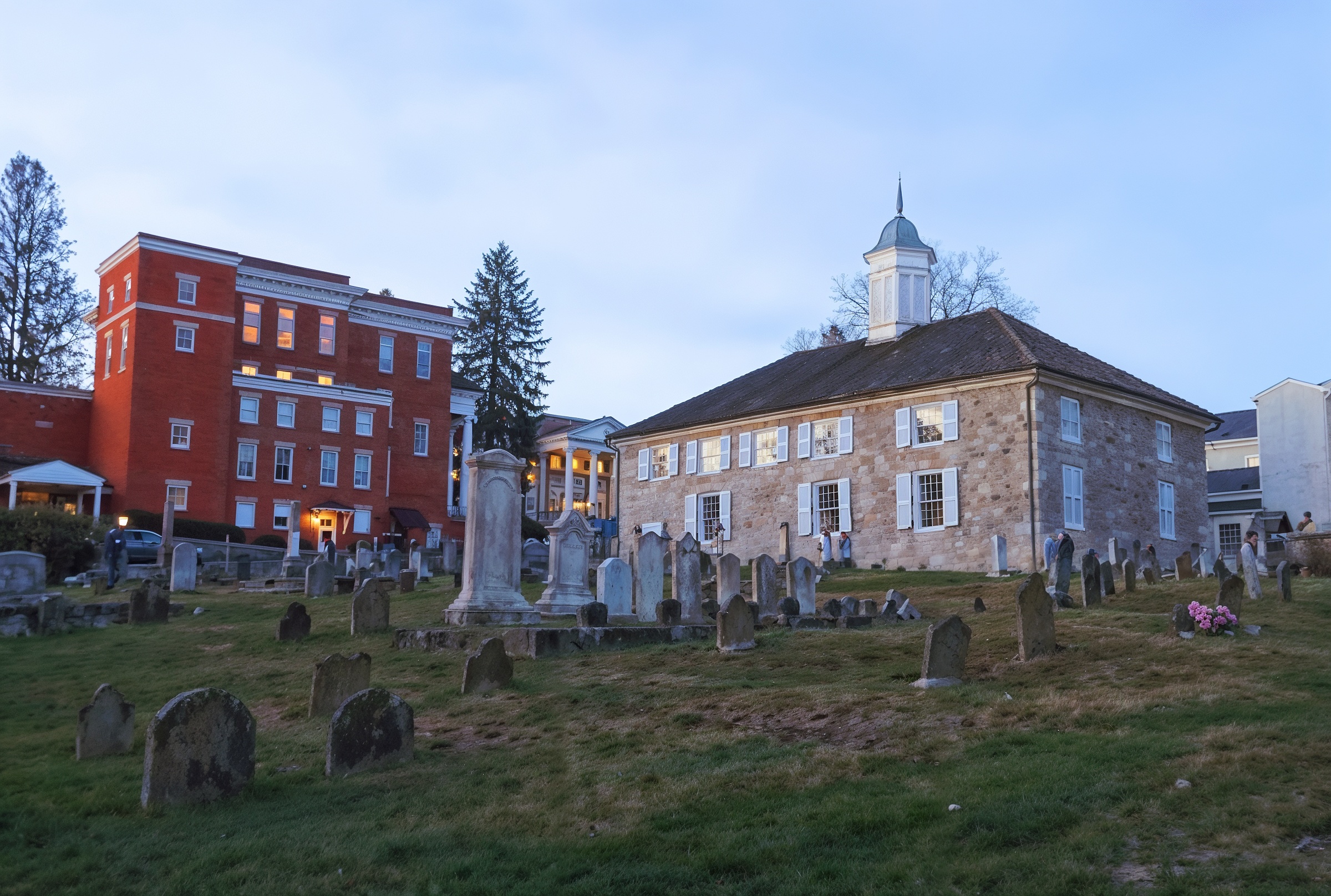
By Simon Pitts
Lewisburg, West Virginia, is a town steeped in history, where every corner seems to whisper tales of the past. From Civil War battlefields to centuries-old architecture, here are the top five historical sites that every visitor should explore to fully appreciate the town’s rich heritage.
1. The Greenbrier Historical Society & North House Museum
The North House Museum, operated by the Greenbrier Historical Society, is a must-visit for history buffs. Built in 1820, this Federal-style mansion offers a fascinating glimpse into the life of early settlers in the region. The museum’s exhibits cover a wide range of topics, from the history of the Greenbrier Valley to the impact of the Civil War on the area. Highlights include a collection of early American furniture, period clothing, and artifacts related to the local Native American tribes. The North House also offers guided tours, providing an in-depth look at the history and architecture of the building.
2. Old Stone Presbyterian Church
One of the oldest and most iconic buildings in Lewisburg, the Old Stone Presbyterian Church dates back to 1796 and has played a central role in the town’s history. Built from locally quarried limestone, the church’s sturdy walls have withstood the test of time, serving as a place of worship, a hospital during the Civil War, and a symbol of the community’s resilience. The church’s cemetery is the final resting place of many of Lewisburg’s early settlers, including soldiers from both the Revolutionary War and the Civil War. Visitors can explore the church’s beautifully preserved interior and reflect on the town’s rich spiritual heritage.
3. The General Lewis Inn
The General Lewis Inn is not only a charming place to stay but also a living museum of Lewisburg’s past. Built in 1834, the inn has hosted countless travelers over the years, including Civil War soldiers and notable historical figures. The inn’s rooms are decorated with period furnishings, and the walls are adorned with antiques and artifacts that tell the story of the town’s history. The General Lewis Inn is a perfect example of how history and hospitality can come together to create a unique and memorable experience. Guests and visitors alike can enjoy a meal at the inn’s restaurant, which serves traditional Southern cuisine with a modern twist, all while surrounded by the rich history of the Greenbrier Valley.
4. Battle of Lewisburg Site
The Battle of Lewisburg was a significant event during the Civil War, and the town’s role in this conflict is commemorated at the battle site. On May 23, 1862, Union and Confederate forces clashed in Lewisburg, resulting in a Union victory that helped secure the region for the North. The battle site is marked by historical plaques that provide context and details about the engagement. Visitors can walk the grounds where the battle took place and imagine the scenes of conflict that once filled these now peaceful streets. The site is also a starting point for exploring other Civil War-related locations in and around Lewisburg.
5. Carnegie Hall
As one of only four Carnegie Halls still in continuous use, Carnegie Hall in Lewisburg is a historic site that doubles as a vibrant cultural center. Built in 1902 with a donation from philanthropist Andrew Carnegie, the hall originally served as a music and arts education facility for the Greenbrier College for Women. Today, it continues to be a hub for the arts, hosting performances, art exhibits, and community events. The building itself is a beautiful example of neoclassical architecture, with a grand entrance and a welcoming interior that has been carefully preserved. Visitors can attend a concert, explore the galleries, or simply admire the historical significance of this beloved institution.
Lewisburg’s historical sites offer a window into the town’s storied past, from its early days as a frontier settlement to its role in the Civil War and beyond. Each of these locations provides a unique perspective on the people and events that have shaped this charming town. Whether you’re a history enthusiast or simply curious about the past, these sites will give you a deeper appreciation for the rich heritage that makes Lewisburg one of West Virginia’s coolest small towns.
Log In to comment on this post!
The Charm of Lewisburg: A Guide to West Virginia’s Coolest Small Town
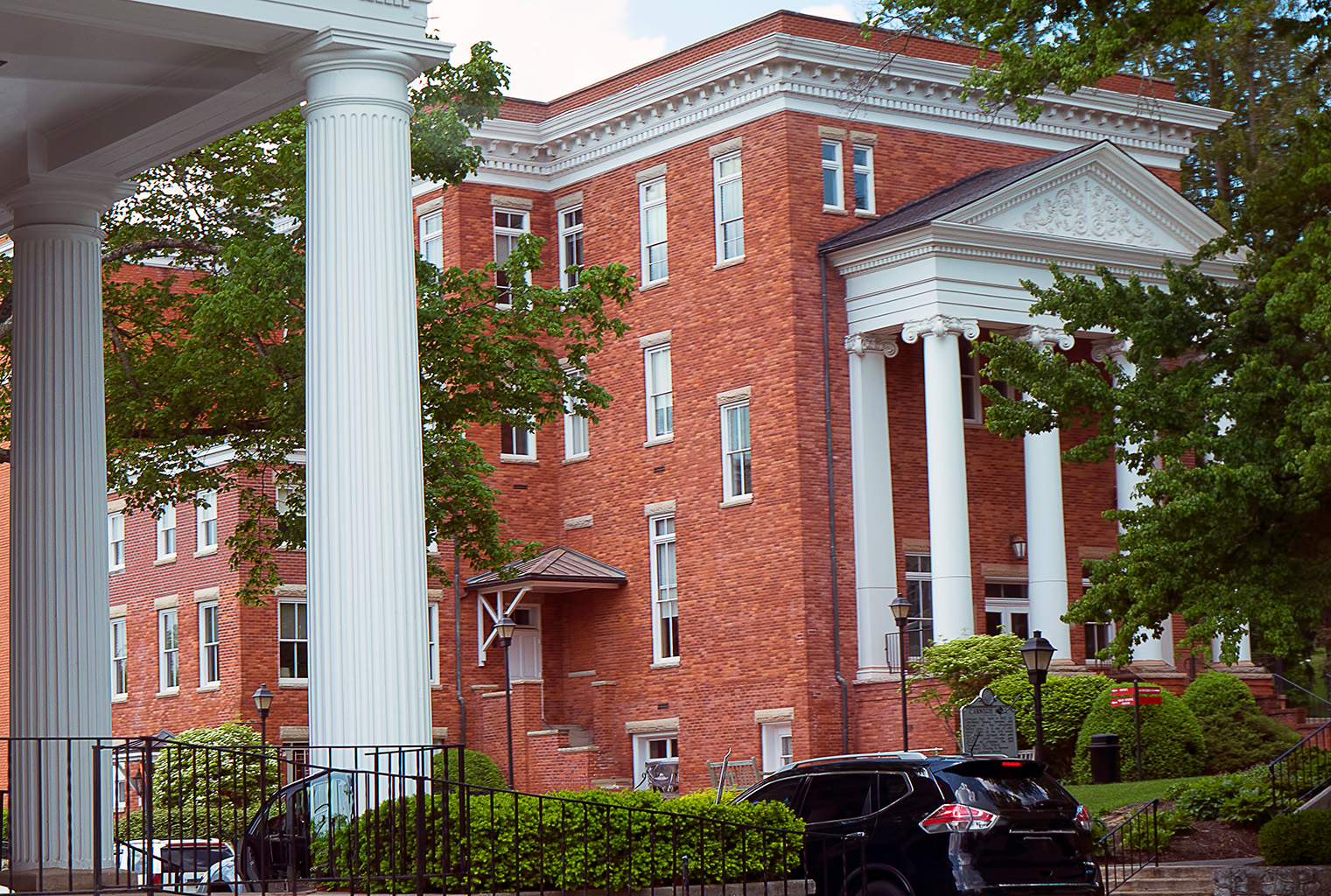
By Charlotte Dawson
Nestled in the heart of the Greenbrier Valley, Lewisburg, West Virginia, is a small town with big charm. Known for its vibrant arts scene, rich history, and welcoming community, Lewisburg has earned its reputation as one of West Virginia’s coolest small towns. Whether you're drawn by its historic architecture, thriving local businesses, or scenic surroundings, Lewisburg offers an experience that’s both authentic and unforgettable. Here’s your guide to exploring this gem of a town.
Historic Downtown: A Walk Through Time
Lewisburg’s downtown is a beautifully preserved slice of history, where 18th-century buildings line the streets, each telling its own story. The Greenbrier County Courthouse, built in 1837, is a great starting point. From there, stroll down Washington Street, where you’ll find an array of charming boutiques, art galleries, and cafes housed in historic structures.
One of the highlights is the Carnegie Hall, one of only four Carnegie Halls still in continuous use in the world. This historic venue hosts a wide range of cultural events, from concerts and theater productions to art exhibits and workshops. The building itself is a marvel, with its neoclassical architecture and stately presence, making it a must-visit for any lover of the arts.
Arts and Culture: A Creative Hub
Lewisburg’s reputation as an arts town is well-deserved. The town is home to a thriving arts community, with numerous galleries showcasing the work of local and regional artists. Harmony Ridge Gallery is a standout, offering a curated selection of fine art, pottery, jewelry, and crafts. The gallery’s eclectic mix of contemporary and traditional works reflects the creative spirit of Lewisburg.
For performing arts, the Greenbrier Valley Theatre is the place to be. This professional theater company offers a diverse lineup of plays and musicals, attracting talent from across the country. The theater’s intimate setting ensures that every seat offers a great view, making it a perfect spot for an evening of entertainment.
Culinary Delights: A Foodie’s Paradise
Lewisburg’s culinary scene is as diverse as it is delicious. The town boasts a range of dining options, from cozy cafes to fine dining restaurants, each offering a taste of local flavor. Stardust Café is a local favorite, known for its farm-to-table approach and creative menu. Dishes like the grass-fed beef burger and the roasted vegetable sandwich showcase the best of what the region has to offer, with ingredients sourced from nearby farms.
For a more upscale dining experience, The French Goat offers classic French cuisine with a modern twist. The restaurant’s warm, inviting atmosphere is matched by its expertly crafted dishes, from escargots to coq au vin. Paired with a carefully curated wine list, a meal at The French Goat is a culinary journey you won’t soon forget.
And no visit to Lewisburg would be complete without stopping by Hill and Holler Pizza, where wood-fired pizzas are the star of the show. The rustic, laid-back setting makes it a great place to unwind with friends, while the menu’s emphasis on local ingredients ensures that every bite is fresh and flavorful.
Outdoor Adventures: Nature at Your Doorstep
Surrounded by the rolling hills of the Greenbrier Valley, Lewisburg is an ideal base for exploring the great outdoors. Just a short drive from town, the Greenbrier River Trail offers 78 miles of scenic beauty, perfect for hiking, biking, or horseback riding. The trail follows the course of the Greenbrier River, winding through lush forests, open meadows, and alongside the water’s edge.
For a more challenging hike, head to the Monongahela National Forest, where you’ll find trails that range from easy strolls to strenuous climbs. The forest’s diverse landscapes, from dense woodlands to high-elevation ridges, offer something for every type of adventurer. In the fall, the forest comes alive with vibrant colors, making it a popular destination for leaf-peepers.
If water-based activities are more your speed, the Greenbrier River offers excellent opportunities for kayaking, canoeing, and fishing. The river’s calm, clear waters are ideal for a leisurely paddle, while its abundant fish populations make it a favorite spot for anglers.
Local Events and Festivals: A Year-Round Celebration
Lewisburg’s community spirit shines through in its calendar of events and festivals, which draw visitors from near and far. One of the most popular events is the Lewisburg Chocolate Festival, held every April. This sweet celebration features chocolate tastings, workshops, and entertainment, all centered around the town’s love for chocolate.
In June, the Lewisburg Literary Festival brings together authors, poets, and book lovers for a weekend of readings, discussions, and book signings. The festival highlights the town’s literary heritage and fosters a love of reading and writing within the community.
Another highlight is the State Fair of West Virginia, held annually in nearby Fairlea. This classic fair offers everything from livestock shows and carnival rides to live music and delicious fair food. It’s a great way to experience the agricultural traditions and vibrant culture of the region.
Where to Stay: Historic Inns and Modern Comforts
When it comes to accommodations, Lewisburg offers a range of options to suit every taste and budget. For those who appreciate historic charm, the General Lewis Inn is a must. This beautifully restored inn, dating back to 1834, offers a blend of antique furnishings and modern amenities. Each room is uniquely decorated, and the inn’s on-site restaurant serves up delicious Southern cuisine with a contemporary twist.
For a more modern stay, the Fairfield Inn & Suites by Marriott offers comfortable rooms and a convenient location close to downtown Lewisburg. The hotel’s amenities, including an indoor pool and fitness center, make it a great choice for families and business travelers alike.
If you’re looking for a more immersive experience, consider staying at one of the area’s charming bed and breakfasts, such as the Maison Marcel, where personalized service and cozy accommodations make you feel right at home.
Lewisburg is a town that captivates visitors with its blend of historic charm, vibrant arts scene, and natural beauty. Whether you’re exploring its picturesque downtown, indulging in farm-to-table cuisine, or venturing into the great outdoors, Lewisburg offers a uniquely West Virginian experience that’s rich in culture and hospitality. It’s a place where the past and present seamlessly blend, creating a destination that’s both timeless and full of life. So pack your bags and prepare to be charmed by the coolest small town in West Virginia.
Log In to comment on this post!
Best Day Trips from Morgantown: Exploring West Virginia’s Hidden Gems
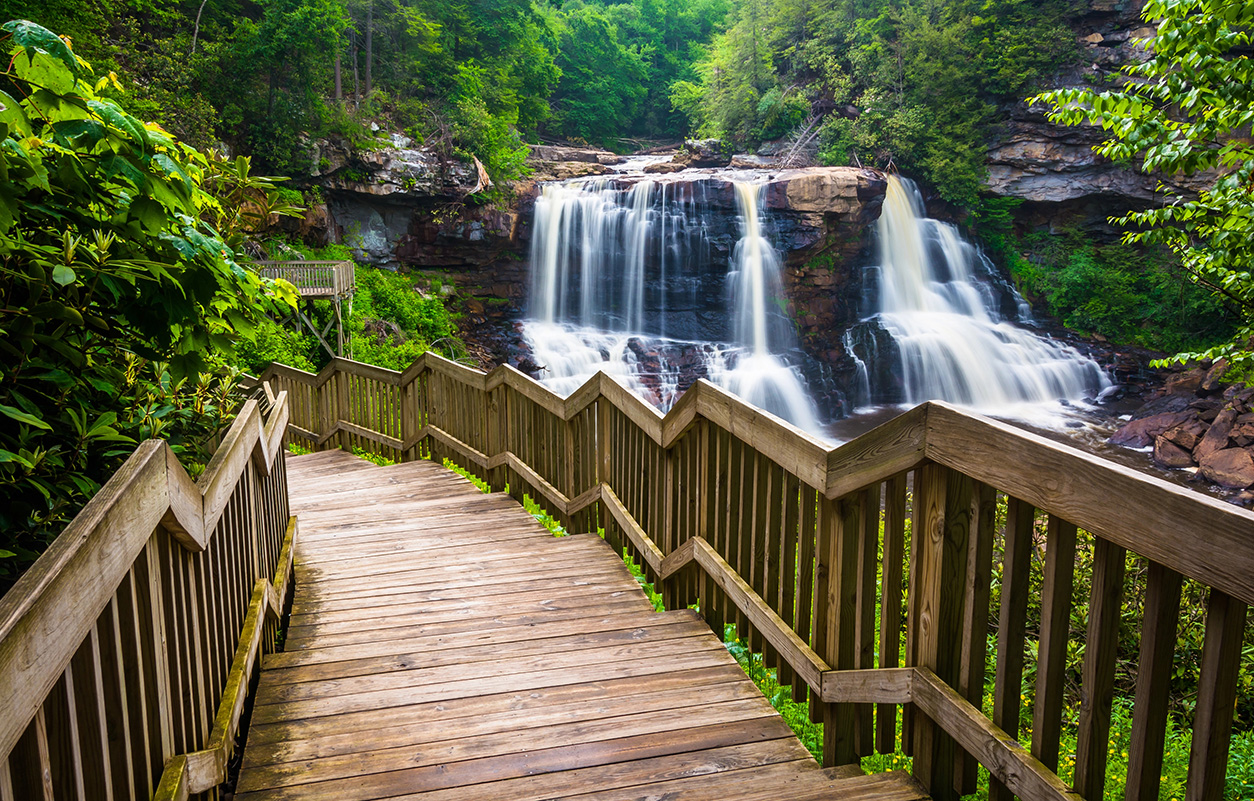
By Brian and Aubrey
Morgantown, West Virginia, is a gateway to some of the state's most enchanting and lesser-known destinations. Whether you're looking for outdoor adventures, historical sites, or simply a change of scenery, these day trips offer a perfect escape from the hustle and bustle of college town life. Here are the top five must-visit destinations that showcase the hidden gems of West Virginia.
1. Blackwater Falls State Park
Distance from Morgantown: 2 hours
Blackwater Falls State Park is a natural wonder that draws visitors with its stunning scenery and diverse outdoor activities. The park’s namesake, Blackwater Falls, is one of the most photographed sites in the state, with its amber-colored waters cascading 57 feet over sandstone ledges. The park offers numerous hiking trails, including the popular Elakala Falls Trail, which leads to a series of smaller but equally beautiful waterfalls. In the winter, the park transforms into a haven for snowshoeing and cross-country skiing, making it a year-round destination.
2. Seneca Rocks
Distance from Morgantown: 2.5 hours
For those seeking adventure and breathtaking views, Seneca Rocks is an iconic destination. This towering formation of Tuscarora sandstone rises nearly 900 feet above the North Fork River, offering some of the best rock climbing in the eastern United States. Even if you’re not a climber, the Seneca Rocks Trail provides a challenging but rewarding hike to the summit, where panoramic views of the surrounding landscape await. The nearby Seneca Rocks Discovery Center offers exhibits on the area’s geology, history, and ecology, making it an educational stop as well.
3. Berkeley Springs
Distance from Morgantown: 2.5 hours
Berkeley Springs is known as America’s first spa town, with a history of healing waters that dates back to the 18th century. Today, visitors can enjoy the town’s natural warm springs, which are believed to have therapeutic properties. The historic Berkeley Springs State Park offers Roman baths, saunas, and massages, providing a relaxing retreat. The town itself is charming, with art galleries, antique shops, and quaint cafes lining the streets. Don’t miss the chance to visit George Washington’s Bathtub, a quirky historic site that commemorates the first president’s visits to the springs.
4. Prickett’s Fort State Park
Distance from Morgantown: 30 minutes
Just a short drive from Morgantown, Prickett’s Fort State Park offers a step back in time to the 18th century. The park features a reconstructed fort that once served as a refuge for settlers during Native American attacks. Costumed interpreters provide demonstrations of colonial crafts and daily life, offering an immersive experience in West Virginia’s frontier history. The park also features a museum, a boat launch on the Monongahela River, and a network of trails perfect for hiking and biking. It’s a family-friendly destination that combines education with outdoor fun.
5. Ohiopyle State Park
Distance from Morgantown: 1.5 hours
While technically located just across the border in Pennsylvania, Ohiopyle State Park is a favorite day trip for Morgantown residents. The park is renowned for its outdoor recreation opportunities, particularly its whitewater rafting on the Youghiogheny River. The park also offers miles of hiking and biking trails, including the scenic Great Allegheny Passage, which follows an old railroad bed through the park. Ohiopyle’s natural beauty is on full display at Cucumber Falls and the Meadow Run Natural Waterslides, making it a perfect destination for nature lovers and thrill-seekers alike.
West Virginia is a state of hidden gems, and these day trips from Morgantown offer a glimpse into the diverse landscapes and rich history that make the Mountain State so special. Whether you're in the mood for adventure, relaxation, or exploration, these destinations provide a perfect escape from the everyday, allowing you to experience the best of what West Virginia has to offer. So pack your bags, hit the road, and discover the wonders that await just a short drive from Morgantown.
Log In to comment on this post!
Morgantown’s Culinary Scene: From Farm-to-Table to Craft Breweries
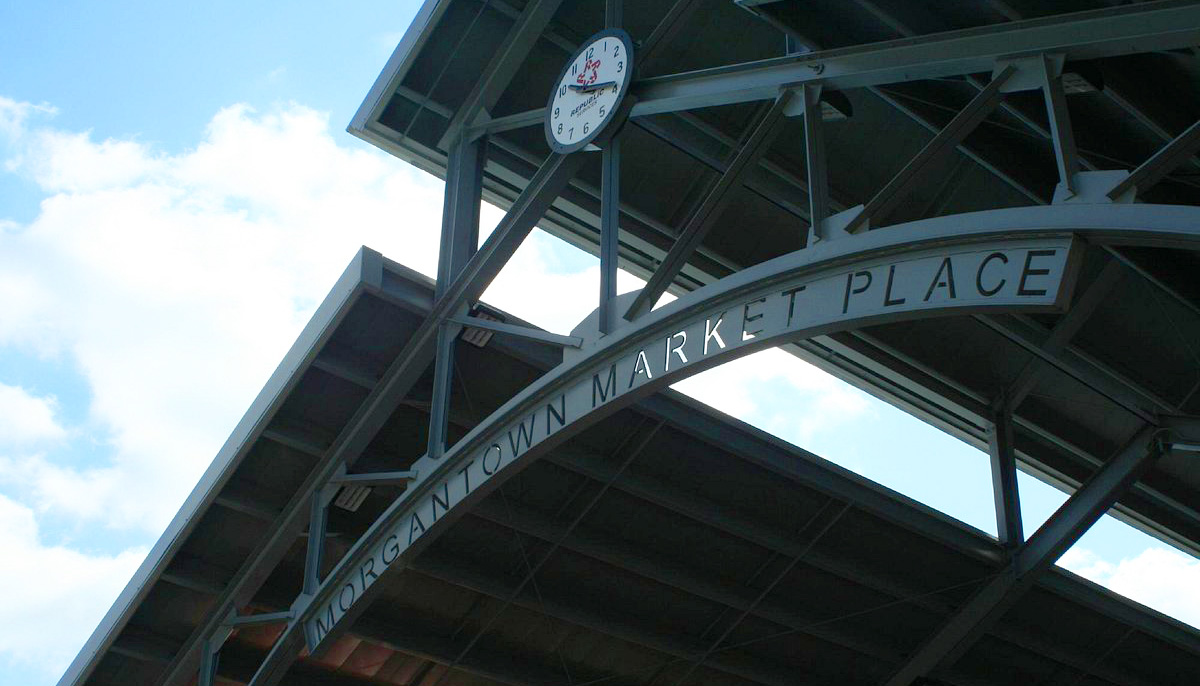
By Greg Hamilton
Morgantown, West Virginia, is not just a college town; it’s a culinary destination that’s gaining recognition for its diverse and innovative food and drink offerings. From farm-to-table restaurants that celebrate local produce to craft breweries that capture the spirit of Appalachia, Morgantown’s culinary scene is a feast for the senses.
Farm-to-Table Dining: Fresh, Local, and Sustainable
The farm-to-table movement has taken root in Morgantown, with several restaurants leading the charge in offering dishes made with locally sourced ingredients. This approach not only supports local farmers but also ensures that diners enjoy the freshest and most flavorful food possible.
1. Sargasso
At the forefront of Morgantown’s farm-to-table dining is Sargasso, a restaurant that has made a name for itself with its commitment to local and sustainable practices. The menu at Sargasso changes with the seasons, reflecting the availability of fresh produce, meats, and dairy from local farms. Dishes like pan-seared trout with seasonal vegetables and lamb chops with heirloom grains showcase the best of Appalachian cuisine, while the restaurant’s elegant yet relaxed atmosphere makes it a perfect spot for a special night out.
2. Hill & Hollow
Another standout in the farm-to-table scene is Hill & Hollow, a restaurant that prides itself on its “modern Appalachian” cuisine. The menu here is a celebration of West Virginia’s culinary heritage, with dishes that blend traditional flavors with contemporary techniques. From venison tenderloin with wild mushrooms to fried green tomatoes with pimento cheese, Hill & Hollow offers a dining experience that is both familiar and innovative. The restaurant’s commitment to sustainability extends beyond the kitchen, with eco-friendly practices in place throughout the establishment.
3. The Forks Inn
Located just outside of Morgantown, The Forks Inn offers a true farm-to-table experience in a picturesque setting. The restaurant is situated on a working farm, and many of the ingredients used in its dishes are grown or raised on-site. The Forks Inn’s menu is a reflection of the seasons, with a focus on fresh, locally sourced produce and meats. Guests can enjoy dishes like roasted chicken with farm-fresh herbs or a vegetable medley straight from the garden, all while taking in the stunning views of the surrounding countryside.
Craft Breweries: A Taste of Appalachia
Morgantown’s craft beer scene is thriving, with several local breweries offering unique brews that capture the essence of the region. These breweries are not just places to grab a drink; they are community hubs where locals and visitors alike come together to enjoy great beer and good company.
1. Morgantown Brewing Company
Morgantown Brewing Company is the city’s oldest and most established brewery, and it continues to be a favorite among locals. The brewery offers a wide range of beers, from hoppy IPAs to rich stouts, all brewed on-site using traditional methods. The flagship beer, Zack Morgan’s IPA, is a nod to the city’s history and remains a top choice for regulars. In addition to its core offerings, Morgantown Brewing Company frequently experiments with seasonal and limited-edition brews, ensuring that there’s always something new to try. The brewery’s laid-back taproom is a popular spot for both casual get-togethers and larger events, often featuring live music and food pairings.
2. Chestnut Brew Works
Another key player in the local craft beer scene is Chestnut Brew Works, a small but mighty brewery known for its creative and flavorful beers. The brewery’s Halleck Pale Ale has become a staple in the local beer community, praised for its balanced bitterness and citrusy notes. Chestnut Brew Works also prides itself on its sustainability efforts, using local ingredients whenever possible and implementing environmentally friendly brewing practices. The brewery’s taproom, tucked away in a historic building, offers a cozy atmosphere where patrons can enjoy a pint and chat with the brewers themselves.
3. Short Story Brewing
Located just a short drive from Morgantown, Short Story Brewing is a family-owned brewery that has quickly gained a loyal following. The brewery’s name reflects its philosophy: every beer tells a story, from the inspiration behind the recipe to the way it’s brewed. Short Story Brewing’s lineup includes a diverse range of styles, from crisp lagers to bold barrel-aged ales. The brewery’s taproom is a welcoming space, often hosting events like trivia nights, beer releases, and food truck gatherings. With its commitment to quality and community, Short Story Brewing has become a beloved fixture in the local craft beer scene.
Culinary Events and Food Festivals
Morgantown’s culinary scene is also celebrated through a variety of events and festivals that bring the community together to enjoy good food and drink. These events not only showcase local talent but also highlight the region’s culinary traditions and innovations.
1. Taste of Morgantown
One of the most anticipated events on the culinary calendar is the Taste of Morgantown, an annual food festival that brings together the city’s best chefs and restaurants. Attendees can sample a wide range of dishes, from gourmet creations to comfort food classics, all while enjoying live music and entertainment. The event also features a friendly competition where chefs vie for the title of “Best Taste,” with the winner earning bragging rights for the year.
2. WVU Mountaineer Week
WVU’s Mountaineer Week is another celebration of Appalachian culture that includes a strong culinary component. The week-long event features traditional Appalachian foods, such as cornbread, apple butter, and ramp dishes, served at various locations on campus and around town. Cooking demonstrations and food-related workshops are also part of the festivities, offering participants a chance to learn more about the region’s culinary heritage.
3. Morgantown Farmers Market
For those who want to experience the farm-to-table movement firsthand, the Morgantown Farmers Market is a must-visit. Held every Saturday from May through November, the market offers a wide variety of fresh produce, meats, dairy products, and artisanal goods from local farmers and producers. The market is a lively community gathering, where you can meet the people behind the food, learn about sustainable farming practices, and enjoy live music and entertainment.
Morgantown’s culinary scene is a vibrant and diverse reflection of the city itself, blending traditional Appalachian flavors with modern innovation. From farm-to-table restaurants that celebrate the bounty of the region to craft breweries that capture the essence of West Virginia in every pint, Morgantown offers a dining experience that is both unique and memorable. Whether you’re a foodie, a craft beer enthusiast, or simply someone who enjoys good food in good company, Morgantown’s culinary scene is sure to leave a lasting impression. So, come hungry, grab a fork (or a pint), and dive into the flavors of Morgantown.
Log In to comment on this post!
Mountaineer Spirit: Experiencing a Game Day in Morgantown

By Michael and Michelle
Morgantown, West Virginia, comes alive on game day, where the Mountaineer spirit ignites every corner of the town. Home to West Virginia University (WVU), this college town transforms into a sea of gold and blue as fans gather to cheer on their beloved Mountaineers. Experiencing a game day in Morgantown is not just about watching a football game; it’s about immersing yourself in the culture, tradition, and community that make this place special.
The Build-Up: Tailgating and Pre-Game Festivities
The excitement of game day begins long before kickoff. Tailgating is a time-honored tradition in Morgantown, with fans setting up hours before the game in parking lots, grassy areas, and along streets surrounding the Milan Puskar Stadium. The air is filled with the smell of grilling, the sound of music, and the buzz of conversation as friends and families come together to celebrate.
Tailgating at WVU is an inclusive affair, where the Mountaineer spirit brings people together regardless of age or background. Whether you’re a student, alumni, or just a fan, you’re welcomed into the fold with open arms. Classic tailgating fare includes burgers, hot dogs, and pulled pork sandwiches, often accompanied by locally brewed beers and homemade sides. As the day progresses, the anticipation builds, with fans decked out in Mountaineer gear, ready to march to the stadium.
One of the highlights of the pre-game experience is the Mountaineer Mantrip, a unique WVU tradition where the football team, led by the Mountaineer mascot, walks from the Puskar Center to the stadium through a tunnel of cheering fans. This tradition embodies the connection between the team and its supporters, creating an electrifying atmosphere that sets the tone for the game.
The Main Event: Inside Milan Puskar Stadium
As you enter Milan Puskar Stadium, the energy is palpable. The stadium, affectionately known as "The Mountaineer Field," is a modern facility with a seating capacity of over 60,000, offering breathtaking views of the surrounding mountains. The stands fill with a sea of gold and blue, and the roar of the crowd grows as kickoff approaches.
The Pride of West Virginia, WVU’s marching band, takes center stage for the pre-game show, performing classic tunes that stir the hearts of Mountaineer fans. The band’s precision and energy are a sight to behold, and their rendition of “Hail, West Virginia” is a moment that brings the entire stadium to its feet.
When the Mountaineers take the field, the crowd erupts in a wave of cheers, chants, and the iconic "Let's Go Mountaineers!" battle cry. The sense of unity and pride is overwhelming as fans rally behind their team, creating an atmosphere that’s both electric and intimidating for visiting opponents.
During the game, the stadium becomes a cauldron of noise and excitement. The Mountaineer mascot, dressed in traditional frontier attire, fires a musket each time WVU scores, a tradition that sends the crowd into a frenzy. The game itself is a rollercoaster of emotions, with every touchdown, interception, and tackle drawing passionate reactions from the fans.
Halftime and Beyond: Entertainment and Traditions
Halftime at a WVU game is more than just a break in the action; it’s an event in itself. The Pride of West Virginia returns to the field for a show that blends music, choreography, and Mountaineer tradition. The band’s performances are legendary, with intricate formations and spirited tunes that keep fans on their feet.
Another beloved halftime tradition is the Mountaineer Maniacs, the student section known for their enthusiastic support and creative chants. The Maniacs lead the stadium in cheers, creating a raucous environment that’s both fun and intimidating for opponents. Their energy is infectious, and being part of the Maniacs is a rite of passage for WVU students.
Post-game, win or lose, the Mountaineer spirit remains strong. Fans spill out into the streets of Morgantown, continuing the celebration or commiseration at local bars and restaurants. High Street, the heart of Morgantown’s nightlife, becomes a lively scene, with fans sharing their game day experiences over food and drinks.
The Community Connection
What sets Morgantown’s game day apart is the deep connection between the university, the team, and the community. WVU football is more than just a sport; it’s a source of pride for the entire state of West Virginia. The team represents the spirit, resilience, and unity of the Mountain State, and game day is a time when this collective identity is on full display.
Local businesses thrive on game days, with restaurants, bars, and shops buzzing with activity. The economic impact of game day is significant, but the cultural impact is even greater. WVU football brings people together, fostering a sense of community that extends beyond the stadium.
The Mountaineer Nation, as WVU’s fan base is known, is a diverse and passionate group that stretches across the country and the world. For many, attending a WVU game is a pilgrimage, a chance to reconnect with their roots and celebrate their Mountaineer pride. The sense of belonging and camaraderie that comes with being part of Mountaineer Nation is something that stays with fans long after the final whistle blows.
Experiencing a game day in Morgantown is about more than just football; it’s about embracing the Mountaineer spirit, a sense of pride, and the deep connection between the team, the university, and the community. From the festive tailgates and thrilling pre-game traditions to the electrifying atmosphere inside Milan Puskar Stadium, game day in Morgantown is an unforgettable experience that captures the heart and soul of West Virginia. Whether you’re a die-hard fan or a first-time visitor, you’ll find that the Mountaineer spirit is alive and well, bringing people together to celebrate what it means to be a part of Mountaineer Nation.
Log In to comment on this post!
Top 6 Outdoor Activities in Morgantown and Beyond
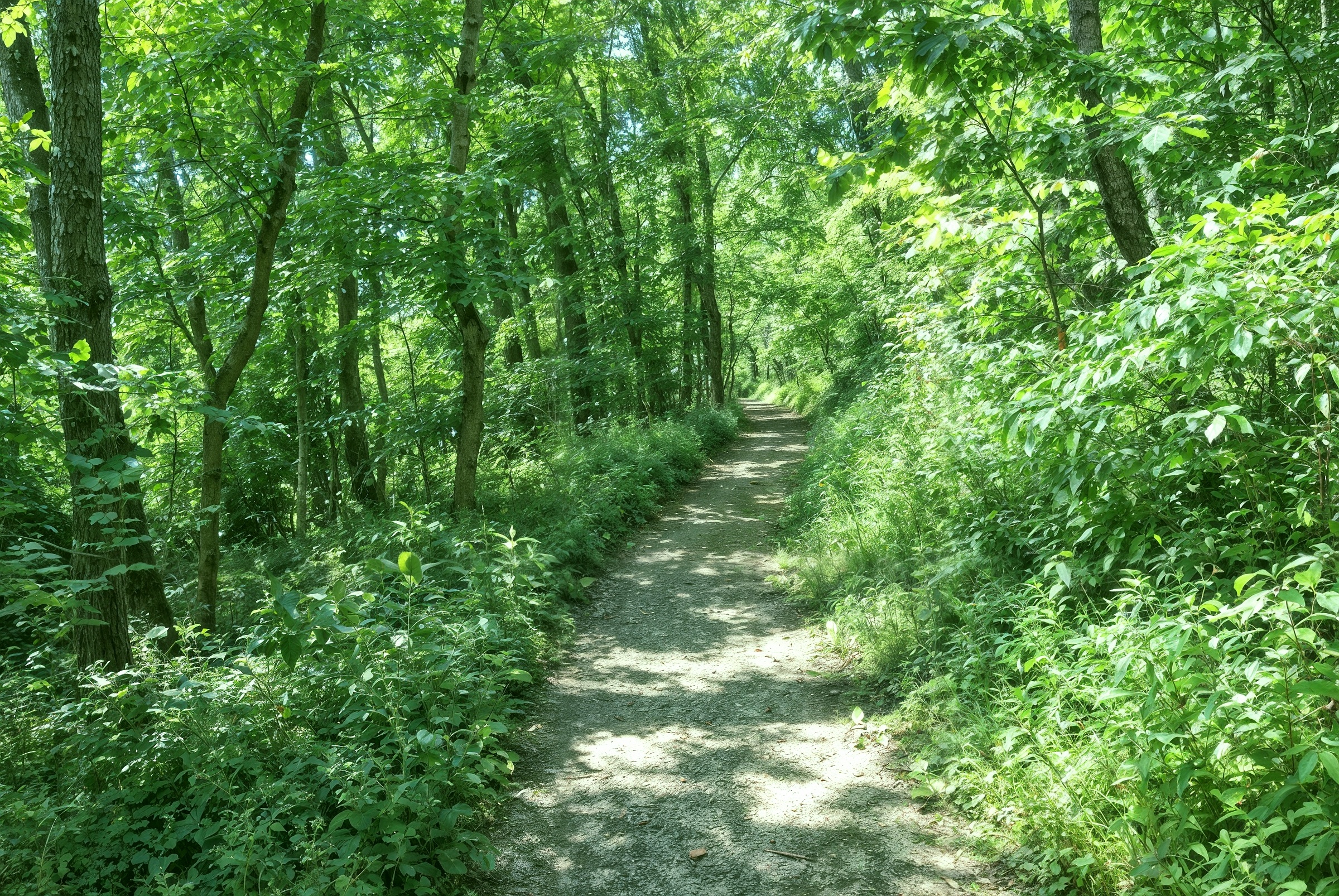
By Charlotte Dawson
Morgantown, West Virginia, is more than just a college town—it's a gateway to some of the most exhilarating outdoor adventures in the region. Whether you're seeking adrenaline-pumping activities or peaceful nature escapes, here are six must-try outdoor experiences in and around Morgantown.
1. Hiking at Coopers Rock State Forest
Coopers Rock State Forest, located just outside Morgantown, is a hiker's paradise. With over 50 miles of trails, ranging from easy walks to challenging hikes, the forest offers something for every level of adventurer. The Raven Rock Trail is particularly popular, leading to a stunning overlook of the Cheat River Gorge. The trails are well-marked, and the scenery is breathtaking year-round, whether you're trekking through vibrant fall foliage or lush summer greenery.
2. Kayaking on Cheat Lake
For a refreshing water-based adventure, head to Cheat Lake. This 13-mile-long reservoir is perfect for kayaking, offering calm waters and scenic views of the surrounding mountains. Rent a kayak from a local outfitter and paddle your way around the lake's coves and inlets, or simply relax and enjoy the serene environment. The Cheat Lake Trail, running along the shoreline, provides easy access to the water and is also great for a leisurely walk or bike ride.
3. Biking the Mon River Rail-Trail System
The Mon River Rail-Trail System offers 48 miles of smooth, flat trails perfect for biking. These trails, which follow the Monongahela River, are ideal for both casual cyclists and serious bikers. The trails are well-maintained and provide a peaceful escape from the bustle of town, with plenty of spots to stop and take in the views. Whether you're riding through Morgantown or venturing further afield, the Rail-Trail System offers a relaxing and scenic biking experience.
4. Whitewater Rafting on the Cheat River
If you're in the mood for adventure, the Cheat River is the place to be. Known for its challenging rapids, the Cheat River offers some of the best whitewater rafting in the region. Local outfitters provide guided trips that cater to all experience levels, from beginner-friendly floats to intense Class V rapids. The Cheat River's rapids are thrilling, but the river also offers moments of calm where you can take in the stunning Appalachian scenery.
5. Rock Climbing at Coopers Rock
Coopers Rock State Forest isn't just for hikers—it's also a premier destination for rock climbing. The forest's sandstone cliffs offer a variety of climbing routes, from beginner-friendly slabs to challenging overhangs. The Sunshine Wall is a popular spot, with routes that are well-suited for both top-rope and lead climbing. The views from the top of the climbs are well worth the effort, providing a unique perspective on the forest's rugged beauty.
6. Exploring the WVU Core Arboretum
For a more laid-back outdoor experience, visit the WVU Core Arboretum. This 91-acre nature preserve, located on the WVU campus, is home to a diverse range of native plants and wildlife. The arboretum's trails wind through forests, meadows, and along the banks of the Monongahela River, offering a peaceful retreat in the heart of Morgantown. The arboretum is particularly beautiful in the spring, when wildflowers are in bloom, and in the fall, when the trees burst into color.
Morgantown and its surroundings offer a wealth of outdoor activities that cater to all interests and skill levels. Whether you're hiking through lush forests, paddling on serene lakes, or tackling the rapids of the Cheat River, you'll find plenty of opportunities to connect with nature and enjoy the beauty of West Virginia. So, grab your gear, head outside, and discover the adventures that await in Morgantown.
Log In to comment on this post!
Morgantown: A College Town with Outdoor Adventures
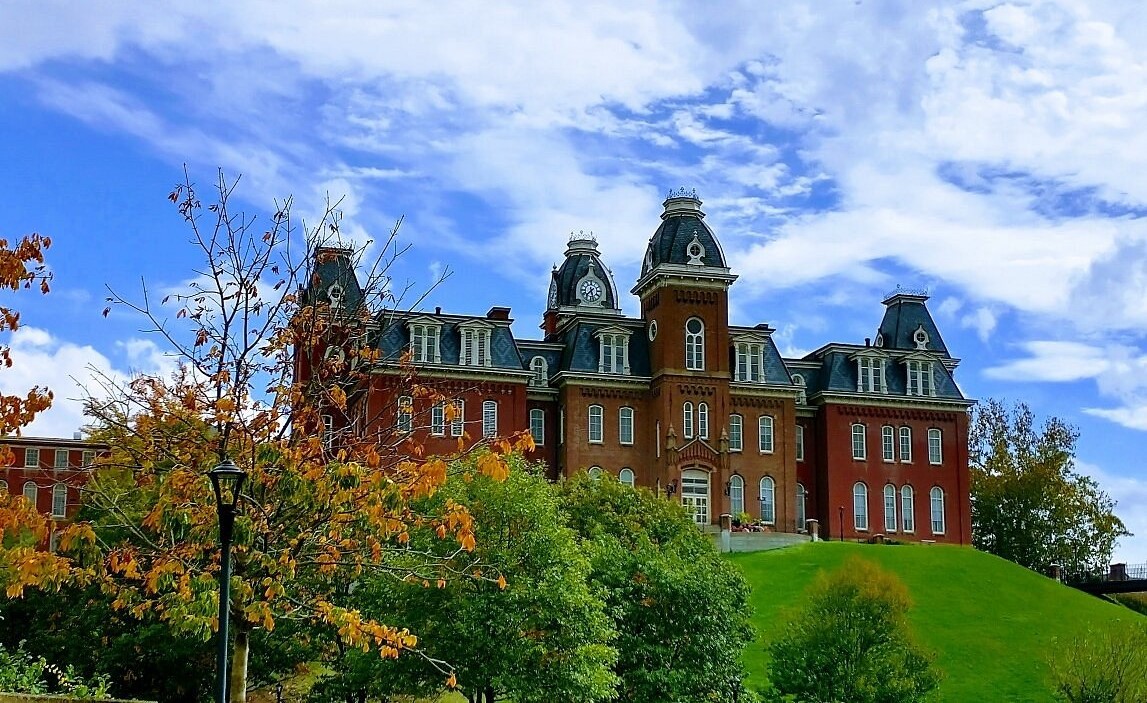
By Simon Pitts
Morgantown, West Virginia, is a vibrant college town known for its lively atmosphere, cultural diversity, and breathtaking natural surroundings. Home to West Virginia University (WVU), Morgantown offers a unique blend of academic energy, historic charm, and outdoor adventure, making it a destination worth exploring for students, residents, and visitors alike.
West Virginia University: The Heart of Morgantown
At the core of Morgantown’s identity is West Virginia University, a major public research university that infuses the town with a youthful and dynamic spirit. The university's sprawling campus is a hub of activity, hosting a variety of cultural, academic, and sporting events throughout the year. Visitors can explore the iconic Woodburn Hall, stroll through the picturesque WVU campus, or catch a Mountaineers football game at the Milan Puskar Stadium, where the energy of the fans is nothing short of electric.
The university also plays a significant role in the local arts scene, with venues like the WVU Creative Arts Center hosting performances ranging from theater productions and concerts to art exhibitions. The WVU Art Museum, located on campus, is home to an impressive collection of American and global art, providing a cultural oasis for art lovers.
Outdoor Adventures: Exploring the Natural Beauty of Morgantown
Surrounded by the Appalachian Mountains and the Monongahela River, Morgantown is a paradise for outdoor enthusiasts. The town offers a wealth of outdoor activities that cater to all levels of adventure, from leisurely strolls along scenic trails to thrilling water sports and mountain hikes.
1. Coopers Rock State Forest
One of the most popular outdoor destinations near Morgantown is Coopers Rock State Forest, located just a short drive from the town center. This expansive forest offers over 50 miles of hiking and biking trails that wind through dense woodlands, rocky outcrops, and panoramic overlooks. The forest’s namesake, Coopers Rock, provides a breathtaking view of the Cheat River Gorge, making it a favorite spot for photographers and nature lovers. In addition to hiking, visitors can enjoy rock climbing, picnicking, and camping within the forest.
2. The Mon River Rail-Trail System
For those who prefer a more leisurely outdoor experience, the Mon River Rail-Trail System offers a network of flat, well-maintained trails that follow the Monongahela River. This trail system is perfect for walking, jogging, cycling, and even cross-country skiing in the winter months. The scenic river views and the tranquility of the trails make it a popular choice for both locals and visitors looking to enjoy the natural beauty of the area.
3. Cheat Lake
Water enthusiasts will find plenty of opportunities for recreation at Cheat Lake, located just east of Morgantown. The lake is a popular spot for boating, kayaking, and fishing, with several marinas and boat ramps available for easy access. The Cheat Lake Trail, a 4.5-mile path that runs along the shoreline, offers stunning views of the water and surrounding mountains, making it an ideal spot for a peaceful walk or bike ride.
4. Whitewater Rafting on the Cheat River
For those seeking a more adrenaline-pumping adventure, the Cheat River provides some of the best whitewater rafting in the region. The river’s rapids range from Class II to Class V, offering a thrilling experience for both novice and experienced rafters. Several local outfitters offer guided rafting trips, ensuring a safe and exciting adventure on the water.
Cultural and Historical Attractions
Morgantown’s rich history and vibrant cultural scene offer plenty of attractions beyond the great outdoors. The town’s historic downtown district is a charming area filled with boutique shops, restaurants, and galleries. High Street, the main thoroughfare, is the heart of the downtown area, where visitors can explore unique shops, sample local cuisine, and enjoy live music at one of the many venues.
1. Morgantown History Museum
To learn more about the town’s history, a visit to the Morgantown History Museum is a must. The museum features exhibits on the early settlers of the region, the development of the town, and the impact of West Virginia University on the community. The museum also hosts temporary exhibitions and events that highlight various aspects of Morgantown’s cultural heritage.
2. WVU Core Arboretum
Another hidden gem in Morgantown is the WVU Core Arboretum, a 91-acre preserve located along the Monongahela River. The arboretum is home to a diverse collection of native plants, including wildflowers, trees, and shrubs. It’s a peaceful retreat where visitors can enjoy self-guided nature walks, birdwatching, and the beauty of the changing seasons.
3. The Metropolitan Theatre
For a taste of Morgantown’s performing arts scene, the Metropolitan Theatre on High Street offers a variety of live performances, including plays, concerts, and dance shows. The historic theater, built in 1924, has been lovingly restored and remains a cultural landmark in the town. Its grand interior and classic design make it a wonderful place to experience the arts in an intimate setting.
Dining and Nightlife
Morgantown’s dining scene reflects the town’s eclectic mix of cultures and influences, offering a range of culinary experiences from casual eateries to fine dining establishments.
1. Black Bear Burritos
A local favorite, Black Bear Burritos serves up creative and delicious burritos, tacos, and salads, all made with fresh, locally sourced ingredients. The restaurant’s laid-back atmosphere and commitment to sustainability make it a popular spot for both students and families. With a menu that features a variety of vegetarian and vegan options, Black Bear Burritos caters to all dietary preferences.
2. The Wine Bar at Vintner Valley
For a more upscale dining experience, The Wine Bar at Vintner Valley offers an extensive selection of wines paired with gourmet small plates and entrees. The restaurant’s elegant setting and attentive service make it an ideal spot for a romantic dinner or a special night out. The Wine Bar’s menu changes seasonally, ensuring that guests enjoy the freshest ingredients and flavors.
3. Morgantown Brewing Company
For those looking to experience Morgantown’s craft beer scene, Morgantown Brewing Company is the place to be. This local brewery offers a rotating selection of craft beers brewed on-site, along with a menu of hearty pub fare. The brewery’s spacious outdoor patio is a popular spot to relax with a pint and enjoy the views of the Monongahela River.
4. Iron Horse Tavern
Located in the historic downtown district, Iron Horse Tavern is a cozy gastropub known for its inventive take on Appalachian cuisine. The menu features dishes like bison burgers, fried green tomatoes, and house-made pickles, all served in a warm and welcoming atmosphere. The tavern also offers an impressive selection of craft beers, cocktails, and local spirits.
Annual Events and Festivals
Morgantown’s vibrant community spirit is on full display during its annual events and festivals, which draw visitors from across the region.
1. WVU Mountaineer Week
Each fall, WVU Mountaineer Week celebrates the rich cultural heritage of West Virginia with a series of events, including traditional music and dance performances, craft fairs, and food tastings. The week-long celebration is a great way to experience the local culture and connect with the community.
2. Cheat River Festival
Held in May, the Cheat River Festival is a popular event that celebrates the beauty and ecological significance of the Cheat River. The festival features live music, local food vendors, and outdoor activities, including guided hikes and river tours. The event raises funds for environmental conservation efforts in the Cheat River watershed.
3. Morgantown Arts Walk
The Morgantown Arts Walk is a quarterly event that showcases the work of local artists in galleries and shops throughout the downtown area. Visitors can explore a wide range of art, from paintings and sculptures to jewelry and photography, while enjoying live music and refreshments. The Arts Walk is a wonderful opportunity to support local artists and discover unique pieces to take home.
Morgantown is a dynamic and multifaceted destination that offers something for everyone. From its rich academic and cultural life centered around West Virginia University to the endless opportunities for outdoor adventure in the surrounding mountains and rivers, Morgantown is a town that invites exploration and discovery. Whether you’re a student, a nature lover, or a visitor looking to experience the best of West Virginia, Morgantown provides a welcoming and vibrant environment that will leave a lasting impression. So pack your bags, lace up your hiking boots, and get ready to experience the charm and adventure of Morgantown.
Log In to comment on this post!
Riverfront Revival: How Charleston’s Kanawha River Shapes the City
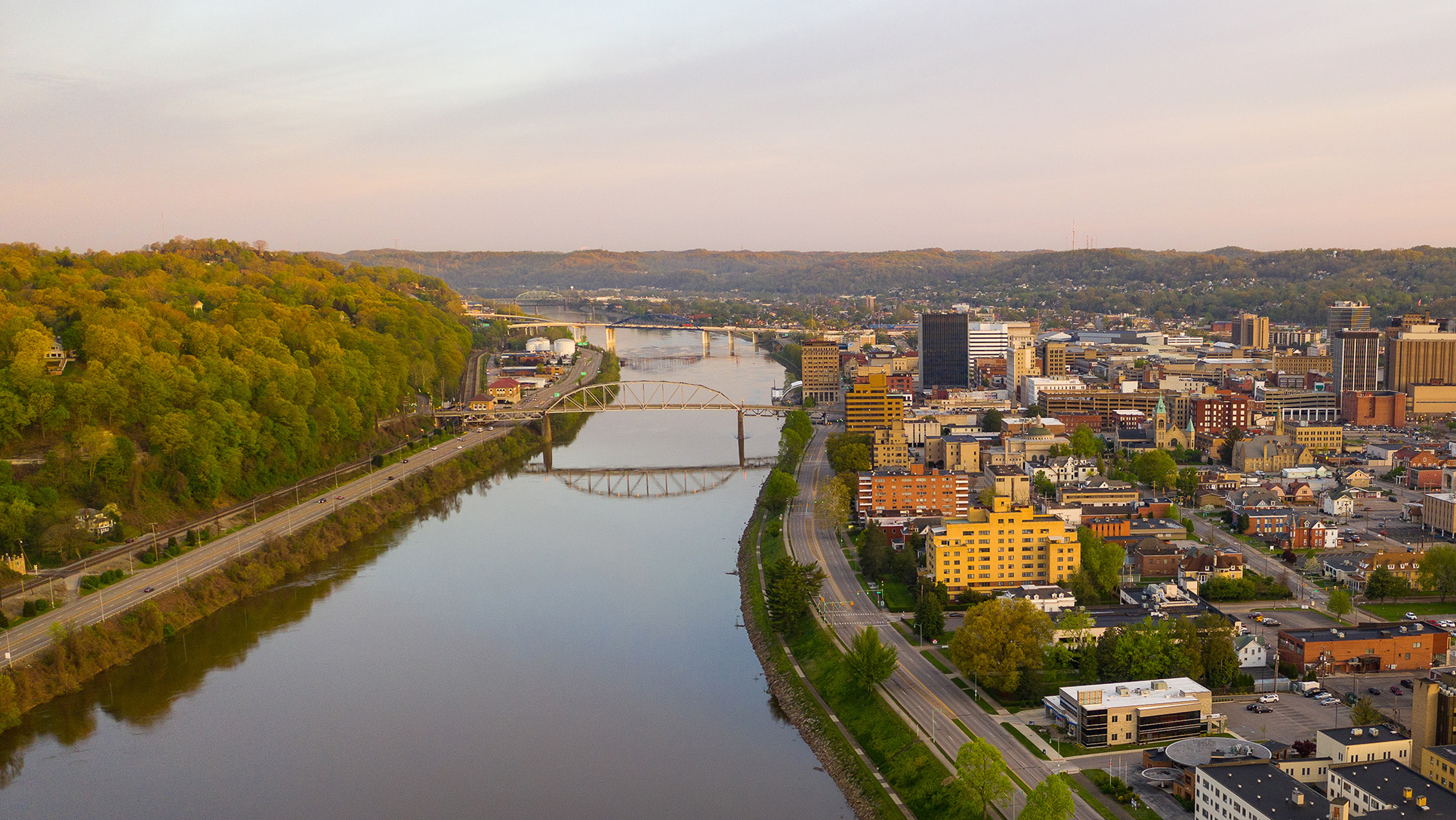
By Greg Hamilton
The Kanawha River has been the lifeblood of Charleston, West Virginia, since the city’s earliest days. From its role in transportation and commerce to its current status as a focal point for recreation and urban development, the river continues to shape the identity and growth of Charleston. This in-depth feature explores the Kanawha River’s historical significance, its impact on the city’s economy, and the ongoing efforts to revitalize the riverfront, making it a vibrant space for residents and visitors alike.
A Historical Lifeline
The Kanawha River’s importance to Charleston dates back to the city’s founding in the late 18th century. Originally a critical transportation route, the river facilitated trade and movement of goods, connecting Charleston to other major waterways, including the Ohio River. During the 19th century, the river became a vital artery for the coal industry, which fueled Charleston’s growth and economic development. Steamboats and barges transported coal and other goods along the Kanawha, making Charleston a bustling hub of commerce.
The river’s role in transportation was further cemented with the construction of locks and dams, which improved navigation and allowed for year-round shipping. These developments not only boosted the local economy but also attracted businesses and industries to the region, contributing to Charleston’s rise as a key city in West Virginia.
The River’s Role in Charleston’s Growth
As Charleston expanded, the Kanawha River continued to play a central role in the city’s development. The riverfront became a prime location for industries, warehouses, and railroads, all of which relied on the river for transportation and resources. The proximity to the river allowed Charleston to thrive as a manufacturing and industrial center, with the river serving as a vital link to markets both upstream and downstream.
However, the industrialization of the riverfront also brought challenges. Pollution from factories and coal processing plants degraded the water quality, and the river became a symbol of environmental neglect. By the mid-20th century, the Kanawha River’s once-pristine waters were heavily polluted, leading to efforts to clean up the river and restore its natural beauty.
Riverfront Revitalization Efforts
In recent decades, Charleston has undergone a riverfront revival, transforming the Kanawha River from an industrial corridor into a vibrant community space. This transformation has been driven by a combination of environmental initiatives, urban planning, and public investment. The result is a riverfront that not only celebrates Charleston’s history but also provides new opportunities for recreation, tourism, and economic development.
One of the key components of this revitalization is Haddad Riverfront Park, a popular gathering spot for residents and visitors alike. The park, located along the river in downtown Charleston, features a state-of-the-art amphitheater, walking paths, and picnic areas. It serves as the venue for numerous events throughout the year, including concerts, festivals, and the annual Sternwheel Regatta. The park’s design incorporates the natural beauty of the river, offering stunning views and easy access to the water.
The riverfront revitalization also includes the development of the Kanawha Boulevard, a scenic roadway that runs parallel to the river and connects various parts of the city. The boulevard features bike lanes, pedestrian paths, and green spaces, making it a popular route for cyclists, joggers, and walkers. The investment in infrastructure has made the riverfront more accessible and inviting, encouraging outdoor activities and enhancing the quality of life in Charleston.
Economic Impact and Tourism
The revitalization of the Kanawha River has had a significant impact on Charleston’s economy. The riverfront has become a key attraction for tourists, drawing visitors to the city’s parks, cultural events, and historic sites. The increased foot traffic has spurred the growth of local businesses, including restaurants, shops, and hotels, which cater to both residents and visitors.
The river also plays a role in Charleston’s tourism strategy, with the city promoting its riverfront as a destination for outdoor recreation. Kayaking, fishing, and boating have become popular activities on the Kanawha, attracting adventure-seekers and nature enthusiasts. The clean-up efforts have improved water quality, making the river a safe and enjoyable environment for these activities.
Moreover, the riverfront’s appeal has attracted new development projects, including residential and mixed-use buildings that capitalize on the scenic views and proximity to the water. These developments have revitalized previously neglected areas, bringing new life and energy to the riverfront and contributing to Charleston’s overall economic growth.
Cultural and Environmental Significance
Beyond its economic and recreational importance, the Kanawha River holds cultural and environmental significance for Charleston. The river is a living reminder of the city’s history, from its early days as a frontier settlement to its industrial boom. The preservation of historic sites along the river, such as the Craik-Patton House and the remnants of the old river locks, serves as a testament to the river’s enduring legacy.
Environmental conservation has also been a priority in the river’s revitalization. Efforts to restore natural habitats, reduce pollution, and promote sustainable development have helped protect the river’s ecosystem. The Kanawha River now supports a diverse range of wildlife, including fish, birds, and aquatic plants, contributing to the region’s biodiversity.
Community involvement has played a crucial role in these conservation efforts. Local organizations, schools, and volunteers have participated in river clean-up events, tree planting initiatives, and educational programs that raise awareness about the importance of preserving the river for future generations.
The Future of Charleston’s Riverfront
As Charleston looks to the future, the Kanawha River will continue to be a central focus of the city’s development and identity. Plans for further improvements to the riverfront include expanding green spaces, enhancing public access, and creating new recreational facilities. These initiatives aim to strengthen the connection between the city and the river, ensuring that the Kanawha remains a vital part of Charleston’s cultural and economic life.
The riverfront’s evolution from an industrial hub to a vibrant community space is a testament to Charleston’s resilience and adaptability. By embracing the river’s potential and investing in its revitalization, the city has created a dynamic and welcoming environment that celebrates both its past and its future.
The Kanawha River is more than just a body of water flowing through Charleston—it’s the lifeblood of the city, shaping its history, economy, and culture. From its early days as a transportation route to its current role as a recreational and cultural hub, the river has played a pivotal role in Charleston’s development. The ongoing revitalization of the riverfront is a testament to the city’s commitment to preserving its heritage while embracing new opportunities for growth and community engagement. As Charleston continues to evolve, the Kanawha River will remain at the heart of the city’s identity, a symbol of its enduring connection to the past and its vision for the future.
Log In to comment on this post!
The Capitol Complex: Unveiling Charleston's Political and Architectural Heritage

By Simon Pitts
The Capitol Complex in Charleston, West Virginia, is not just the seat of the state’s government; it’s a testament to the architectural grandeur and historical significance of the region. Nestled along the banks of the Kanawha River, this complex is a must-visit for anyone interested in politics, history, or architecture.
The West Virginia State Capitol: A Jewel of Neoclassical Design
The centerpiece of the Capitol Complex is the West Virginia State Capitol, an architectural marvel designed by Cass Gilbert, the same mind behind the U.S. Supreme Court building. Completed in 1932, the Capitol’s most striking feature is its gleaming gold dome, which rises 292 feet above the city. Covered in 23.5-karat gold leaf, the dome is not just an emblem of the building but a symbol of West Virginia's pride.
The Capitol building itself is a masterpiece of neoclassical design, with a façade of white Indiana limestone and a grand entrance flanked by Corinthian columns. The interior is equally impressive, featuring Italian marble floors, intricate bronze doors, and elegant crystal chandeliers. Visitors to the Capitol can explore the Rotunda, which is adorned with murals depicting key moments in West Virginia’s history, and the Governor’s Reception Room, a space that exudes both power and elegance.
The building houses the chambers of the West Virginia Legislature, the offices of the Governor, and the Supreme Court of Appeals. Guided tours are available, offering a detailed look at the building’s history, architecture, and the state’s legislative process.
The Cultural Center: A Repository of West Virginia’s Heritage
Adjacent to the Capitol is the West Virginia Cultural Center, which serves as the state’s repository of art, history, and culture. The center houses the West Virginia State Museum, where visitors can explore exhibits ranging from prehistoric artifacts to Civil War relics. The museum’s exhibits are arranged chronologically, providing a comprehensive look at the state’s development through the ages.
The Cultural Center also features a library and archives, where historians and genealogists can delve into West Virginia’s past. The center hosts various cultural events throughout the year, including art exhibitions, concerts, and lectures, making it a vibrant hub for the state’s cultural life.
The Great Hall of the Cultural Center is a striking space, with its soaring ceilings and impressive artwork, often serving as the venue for state ceremonies and public events. The center's design complements the neoclassical style of the Capitol, creating a cohesive aesthetic across the complex.
The Governor’s Mansion: A Symbol of State Leadership
The Governor’s Mansion, located within the Capitol Complex, is another architectural gem. Built in 1925, the Georgian Revival-style mansion has been the official residence of West Virginia’s governors for nearly a century. The mansion’s design, with its red brick exterior, white columns, and grand portico, reflects the elegance and formality expected of a gubernatorial residence.
Inside, the mansion is furnished with period-appropriate antiques and artwork, offering a glimpse into the state’s cultural and political history. Public tours of the mansion are available, allowing visitors to explore the public rooms, including the formal dining room, the ballroom, and the library. Each room is meticulously maintained, showcasing the craftsmanship and attention to detail that went into the mansion’s construction.
The Governor’s Mansion is not just a home; it’s a symbol of leadership and service to the state. Its presence within the Capitol Complex underscores the importance of the executive branch in West Virginia’s government.
The Capitol Grounds: A Tribute to West Virginia’s Heroes
The Capitol Complex is set within beautifully landscaped grounds that serve as both a public park and a tribute to the state’s history. The grounds feature several monuments and statues honoring West Virginia’s leaders, veterans, and significant events. The West Virginia Veterans Memorial, a striking circular monument, honors the state’s military service members who lost their lives in the 20th century’s major conflicts. The memorial’s design, with its reflective granite walls and bronze statues, provides a solemn space for reflection and remembrance.
Another notable feature of the Capitol grounds is the Lincoln Walks at Midnight statue, a bronze sculpture of Abraham Lincoln, which commemorates the 16th president’s role in the creation of West Virginia during the Civil War. The statue captures Lincoln in a moment of deep contemplation, symbolizing the weighty decisions he faced during a pivotal time in the nation’s history.
The Reflection Pool, located near the Capitol, adds to the serene atmosphere of the grounds. The pool, with its clear water and surrounding gardens, offers a peaceful retreat for visitors to the complex. The Capitol grounds are meticulously maintained, with seasonal flowers and lush greenery enhancing the beauty of the setting.
Educational and Cultural Programs
The Capitol Complex is not just a place for government and politics; it’s also a center for education and culture. Throughout the year, the complex hosts various educational programs, including tours, lectures, and special events designed to engage the public with West Virginia’s history and government. Schools from across the state bring students to the Capitol for field trips, where they can learn about the legislative process, the state’s history, and the importance of civic engagement.
The complex also serves as the venue for many of West Virginia’s most significant cultural events, including inaugurations, state ceremonies, and public celebrations. These events bring the community together and reinforce the Capitol’s role as the heart of the state’s civic life.
The Capitol Complex in Charleston is more than just the center of West Virginia’s government; it’s a living testament to the state’s political, architectural, and cultural heritage. From the grandeur of the State Capitol building to the educational offerings of the Cultural Center, the complex provides visitors with a deep understanding of West Virginia’s history and its ongoing legacy. Whether you’re exploring the historic Governor’s Mansion, reflecting at the Veterans Memorial, or attending a cultural event, the Capitol Complex offers a rich and multifaceted experience that showcases the pride and spirit of the Mountain State.
Log In to comment on this post!
Top 5 Must-Try Restaurants in Charleston
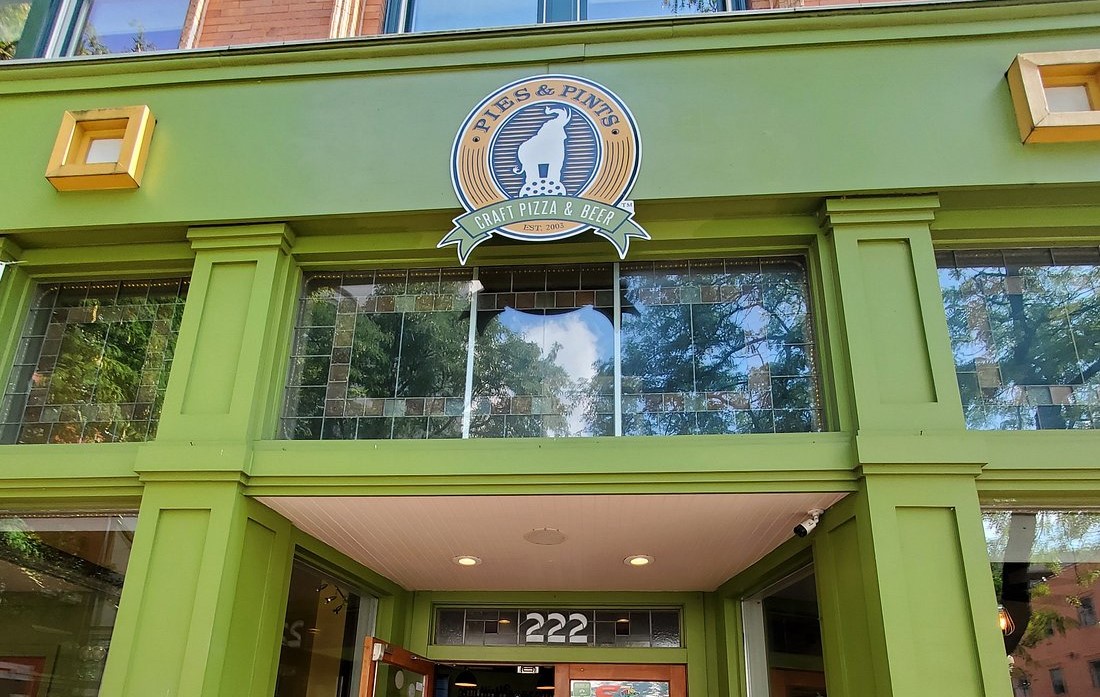
By Brian and Aubrey
Charleston, West Virginia, is a culinary destination that surprises and delights with its diverse and innovative dining scene. Whether you're in the mood for Southern comfort food or fine dining, Charleston has something to offer every palate. Here are our top five must-try restaurants in the city, each offering a unique and memorable dining experience.
1. Bluegrass Kitchen
Located in a beautifully restored 1920s building, Bluegrass Kitchen is a farm-to-table gem that showcases the best of Appalachian cuisine. The restaurant’s menu features dishes made from locally sourced ingredients, with an emphasis on sustainable practices. Signature items include fried green tomatoes, pimento cheese, and buttermilk fried chicken, all served in a cozy, rustic atmosphere that reflects the region’s heritage. The commitment to fresh, local produce ensures that every dish bursts with flavor, making Bluegrass Kitchen a favorite among locals and visitors alike.
The restaurant’s bar also offers an impressive selection of craft beers, wines, and creative cocktails, making it a great spot for both a casual dinner and a special night out. Whether you're enjoying a leisurely brunch or an intimate dinner, Bluegrass Kitchen’s welcoming vibe and delicious food make it a must-visit in Charleston.
2. The Chop House
For those seeking an upscale dining experience, The Chop House delivers with its elegant ambiance and top-notch cuisine. Known for its premium steaks and fresh seafood, The Chop House is a classic American steakhouse that doesn’t disappoint. The restaurant’s menu features a variety of cuts, including filet mignon, ribeye, and New York strip, all perfectly cooked to your liking. Seafood lovers will appreciate dishes like lobster tail, seared scallops, and the catch of the day, all prepared with the finest ingredients.
The Chop House’s extensive wine list complements the menu, offering selections from around the world. The restaurant’s sophisticated décor, attentive service, and exceptional food make it a perfect choice for a special occasion or a romantic evening out. The Chop House stands out as one of Charleston’s premier dining destinations.
3. Pies & Pints
For a more casual and laid-back dining experience, Pies & Pints is a must-visit spot in Charleston. This beloved pizzeria is known for its creative and eclectic pizza toppings, which range from the classic to the unexpected. Signature pizzas include the Grape & Gorgonzola, Chipotle Chicken, and the Thai, each offering a unique blend of flavors that elevate the humble pizza to new heights. The restaurant’s commitment to using high-quality, fresh ingredients is evident in every bite.
In addition to its delicious pizzas, Pies & Pints offers a wide selection of craft beers on tap, making it a popular spot for beer enthusiasts. The warm, welcoming atmosphere and friendly service make Pies & Pints a great choice for a casual meal with friends or family. Whether you’re a pizza purist or adventurous eater, this restaurant is sure to satisfy your cravings.
4. 1010 Bridge
1010 Bridge is a newer addition to Charleston’s dining scene but has quickly gained a reputation for its innovative approach to Southern cuisine. The restaurant’s menu features a modern twist on classic dishes, with an emphasis on seasonal and locally sourced ingredients. Standout dishes include the Shrimp and Grits, Braised Short Ribs, and the Pork Belly with apple butter and cornbread. The attention to detail and the creative presentation of each dish make dining at 1010 Bridge a memorable experience.
The restaurant’s chic, contemporary décor and riverside location add to its appeal, making it a popular spot for both locals and visitors. Whether you're dining on the outdoor patio or enjoying a meal in the stylish dining room, 1010 Bridge offers a culinary experience that combines Southern hospitality with modern flair.
5. Tricky Fish
For a laid-back, coastal vibe right in the heart of Charleston, Tricky Fish is the place to go. This casual eatery specializes in seafood with a Southern twist, offering dishes like Fish Tacos, Shrimp Po’ Boys, and Crab Cakes, all made with fresh, sustainably sourced ingredients. The restaurant’s relaxed atmosphere, complete with outdoor seating, makes it a perfect spot for a casual lunch or dinner.
Tricky Fish also offers a selection of craft beers and cocktails, making it a great place to unwind after a day of exploring Charleston. The restaurant’s commitment to using local ingredients and its focus on sustainability are evident in every dish, making it a standout in the city’s dining scene. Whether you’re craving fresh seafood or just looking for a laid-back spot to enjoy a meal, Tricky Fish is a must-try.
Charleston’s dining scene is as diverse and vibrant as the city itself, offering everything from upscale steakhouses to laid-back pizzerias. Whether you're in the mood for a gourmet meal or a casual bite, these five restaurants showcase the best of what Charleston has to offer. Each spot provides a unique dining experience, reflecting the city’s rich culinary heritage and its commitment to quality and creativity. So, the next time you find yourself in Charleston, be sure to indulge in the flavors of this charming Southern city.
Log In to comment on this post!
A Cultural Tour of Charleston: Museums, Theaters, and Historic Sites
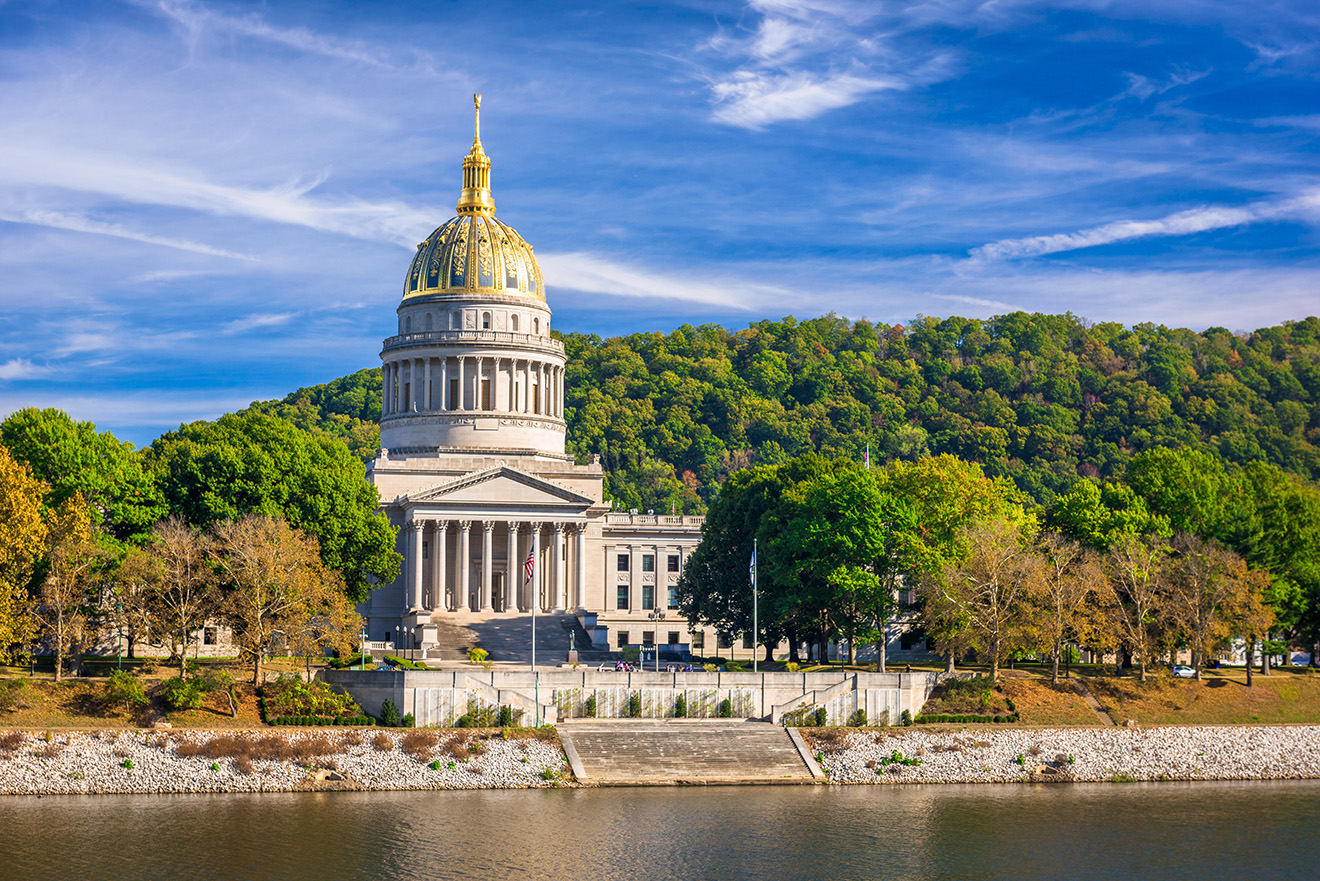
By Michael and Michelle
Charleston, West Virginia, is a city steeped in history and culture, offering a rich tapestry of museums, theaters, and historic sites that tell the story of the state and its people. Whether you're a history buff, an art lover, or simply curious about the cultural fabric of this charming city, Charleston provides a variety of experiences that are both enlightening and inspiring. Join us on a cultural tour through some of the city's most significant landmarks and institutions.
West Virginia State Museum
Our journey begins at the West Virginia State Museum, located within the Culture Center at the State Capitol Complex. This museum is a cornerstone of Charleston's cultural landscape, offering a comprehensive look at the history, art, and culture of West Virginia. The museum's exhibits are meticulously curated, taking visitors on a chronological journey from prehistoric times through the present day. The "Roads to Statehood" exhibit, for example, provides an in-depth look at the state's formation, while the "Building West Virginia" exhibit explores the industrial and economic growth that shaped the region.
The museum also houses a significant collection of artifacts, including Native American tools, Civil War relics, and items related to the state's coal mining heritage. Interactive exhibits and multimedia presentations make the museum accessible to visitors of all ages, offering an engaging way to learn about the state's rich history.
Clay Center for the Arts and Sciences
Next on our tour is the Clay Center for the Arts and Sciences, a premier cultural institution that combines art, science, and live performance under one roof. The Clay Center is home to the Avampato Discovery Museum, which features interactive science exhibits that are both fun and educational. The museum's hands-on approach to learning makes it a favorite destination for families and school groups.
The Clay Center is also the heart of Charleston's performing arts scene. The Maier Foundation Performance Hall hosts a wide range of events, from Broadway shows and symphony concerts to dance performances and lectures. The center's commitment to bringing world-class performances to Charleston has made it a cultural hub in the region, attracting visitors from all over the state.
For art enthusiasts, the Juliet Art Museum, located within the Clay Center, offers a diverse collection of contemporary and traditional artworks. The museum's rotating exhibits showcase the work of local, national, and international artists, providing a dynamic and ever-changing experience for visitors. The museum also offers educational programs and workshops, making it a vital resource for the local art community.
Historic Landmarks and Sites
Charleston is home to several historic landmarks that offer a glimpse into the city's past. One of the most iconic sites is the West Virginia State Capitol, an architectural masterpiece designed by Cass Gilbert. The Capitol's gold dome, which is gilded in 23.5-karat gold leaf, is a stunning feature that dominates the Charleston skyline. Visitors can take guided tours of the Capitol building, which include stops at the Governor's Reception Room, the State Legislature chambers, and the Supreme Court of Appeals. The Capitol grounds also feature several statues and monuments that honor West Virginia's history and its leaders.
Another must-visit historic site is the Craik-Patton House, also known as "Elmwood." This beautifully preserved Greek Revival house dates back to 1834 and offers a fascinating look at antebellum life in West Virginia. The house is furnished with period-appropriate antiques and offers guided tours that provide insights into the lives of the families who lived there. The surrounding gardens are also a highlight, offering a peaceful retreat in the heart of the city.
For those interested in African American history, the Heritage Towers Museum and Cultural Center is an essential stop. This museum highlights the contributions of African Americans to the development of West Virginia and the nation. Exhibits focus on the struggles and achievements of African Americans in the region, including the fight for civil rights and the role of African American soldiers in the Civil War.
Live Theater and Performing Arts
Charleston's cultural scene is also alive with live theater and performing arts. The Charleston Light Opera Guild is one of the city's most beloved institutions, known for its high-quality productions of classic musicals and contemporary shows. The Guild's performances are held at the Charleston Civic Center, where audiences can enjoy a range of productions, from "The Sound of Music" to "Les Misérables." The Guild's commitment to artistic excellence and community involvement has made it a cornerstone of Charleston's cultural life.
For those interested in avant-garde and youth-oriented performances, the Contemporary Youth Arts Company (CYAC) offers a platform for emerging talent in the region. CYAC's productions often tackle challenging and thought-provoking themes, providing a space for creative expression and social commentary. The company's focus on nurturing young talent makes it a vital part of Charleston's cultural ecosystem.
The Kanawha Players is another theater group with a long history in Charleston. Established in 1922, it is one of the oldest community theater groups in the state. The Kanawha Players perform a variety of plays, from comedies and dramas to children’s theater, offering something for everyone. Their productions are staged in a historic theater, adding an extra layer of charm to the theater-going experience.
Special Events and Festivals
Charleston's cultural calendar is filled with special events and festivals that celebrate the city's diverse heritage and artistic talent. One of the most anticipated events is FestivALL, a multi-disciplinary arts festival that takes place every June. FestivALL transforms the city into a living work of art, with performances, exhibitions, and installations popping up in parks, streets, and venues across Charleston. The festival includes music, theater, dance, visual arts, and more, attracting artists and audiences from across the region.
Another highlight is the West Virginia International Film Festival, which showcases independent films from around the world. The festival provides a platform for filmmakers to share their work with Charleston audiences, offering a unique opportunity to experience diverse voices and perspectives through the medium of film.
For music lovers, the Mountain Stage, a live radio show produced by West Virginia Public Broadcasting, is a must-attend event. The show, which is recorded in front of a live audience at the Culture Center Theater, features performances by a wide range of artists, from folk and blues to rock and jazz. Mountain Stage has become an institution in Charleston, bringing nationally and internationally renowned musicians to the city.
Charleston, West Virginia, is a city where history, art, and culture converge to create a vibrant and enriching experience for residents and visitors alike. From its world-class museums and historic landmarks to its thriving arts scene and lively festivals, Charleston offers a cultural journey that is as diverse as it is inspiring. Whether you're exploring the halls of the West Virginia State Museum, enjoying a live performance at the Clay Center, or strolling through the historic Capitol grounds, you'll find that Charleston's cultural offerings are as welcoming and dynamic as the city itself.
Log In to comment on this post!
Discover Charleston: A Blend of Culture, Cuisine, and Charm
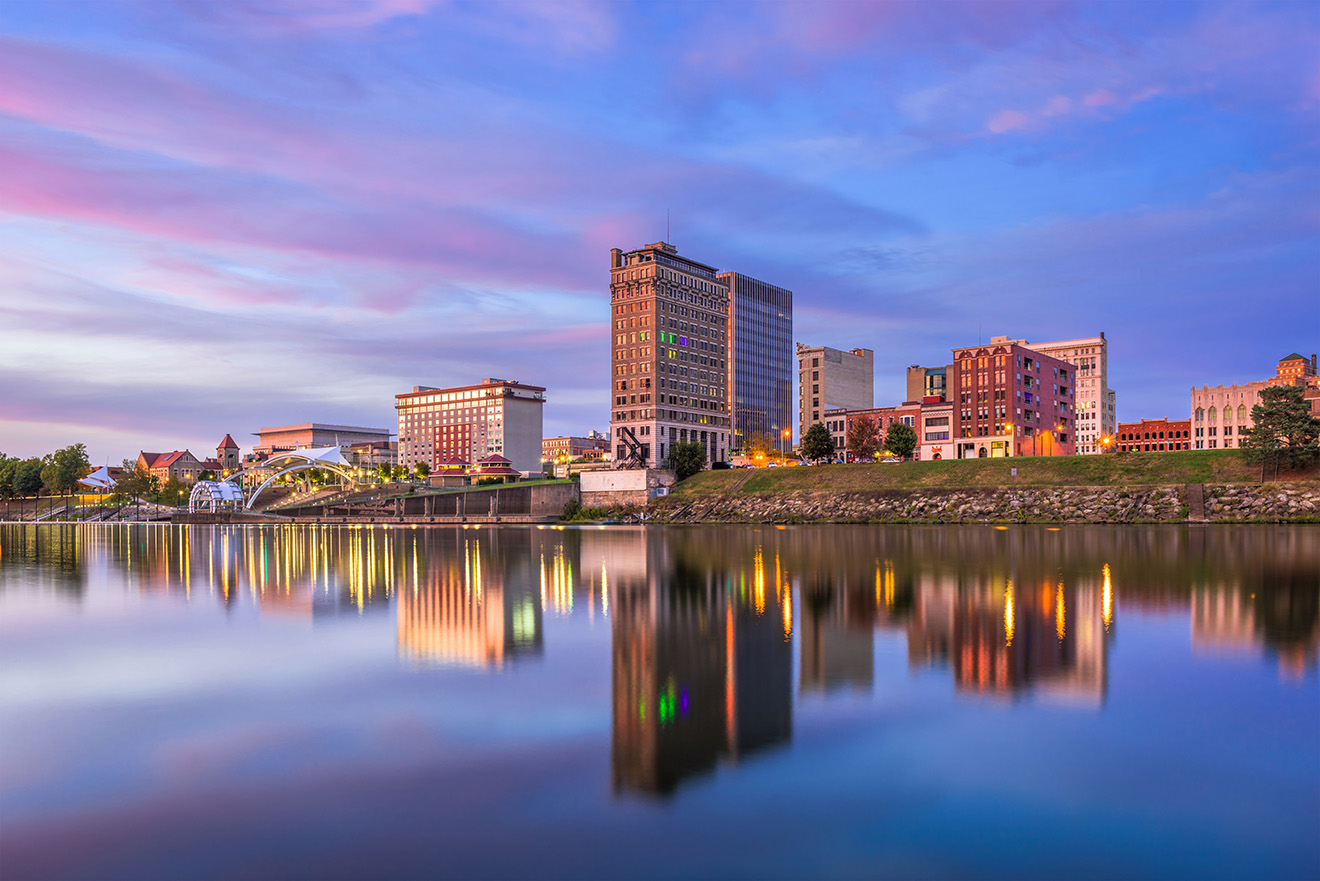
By Amber Brown
Charleston, the capital of West Virginia, is a city rich in history, culture, and Southern charm. Nestled along the Kanawha River, Charleston offers visitors a unique blend of urban sophistication and small-town friendliness. From historic landmarks and vibrant arts scenes to a burgeoning food culture, this guide will take you through the must-see attractions and hidden gems that make Charleston a destination worth exploring.
Historic Landmarks
Charleston’s history is deeply intertwined with the story of West Virginia itself. A visit to the West Virginia State Capitol is a must. The stunning gold-domed building, designed by architect Cass Gilbert, is an architectural marvel. Visitors can take guided tours of the Capitol, which include a look at the Governor’s Reception Room, the State Legislature chambers, and the Supreme Court of Appeals.
Nearby, the West Virginia State Museum offers an immersive experience into the state’s history, from prehistoric times through the Civil War and into the present. The museum’s exhibits are thoughtfully curated, with interactive displays that engage visitors of all ages.
For those interested in African American history, the Heritage Towers Museum and Cultural Center provides valuable insights into the contributions of African Americans to West Virginia’s history and culture. The museum’s exhibits highlight the struggles and triumphs of African Americans in the region, offering a moving and educational experience.
Arts and Culture
Charleston boasts a vibrant arts scene, with numerous galleries, theaters, and performance spaces that cater to a variety of tastes. The Clay Center for the Arts and Sciences is a cultural hub in the city, offering a wide range of performances, from Broadway shows to classical concerts. The center also houses a museum and a planetarium, making it a great destination for families.
For a taste of local art, the Capitol Market is the place to be. Housed in a former rail yard, this bustling market is not only a foodie’s paradise but also home to art galleries and shops featuring the work of local artisans. The market’s seasonal events, such as the annual Art Walk, showcase the creativity and talent of Charleston’s artistic community.
The Charleston Light Opera Guild and the Contemporary Youth Arts Company offer a variety of theatrical performances throughout the year, ranging from classic musicals to original productions. These performances are a testament to Charleston’s thriving arts scene and are not to be missed.
Cuisine and Dining
Charleston’s culinary scene is a delightful mix of traditional Southern fare and innovative contemporary cuisine. The city’s restaurants pride themselves on using fresh, local ingredients, often sourced from the surrounding Appalachian region.
For a taste of Charleston’s classic Southern comfort food, Bluegrass Kitchen is a popular choice. This farm-to-table restaurant offers dishes like fried green tomatoes, pimento cheese, and buttermilk fried chicken, all made with locally sourced ingredients. The restaurant’s cozy, rustic atmosphere makes it a favorite among locals and visitors alike.
If you’re looking for something more upscale, The Chop House offers a fine dining experience with a menu that includes premium steaks, fresh seafood, and an extensive wine list. The elegant setting and impeccable service make it a perfect spot for a special night out.
For a more casual dining experience, head to Pies & Pints, known for its creative pizza toppings and craft beer selection. The laid-back atmosphere and delicious food make it a great spot for a relaxed meal with friends or family.
Charleston also has a growing craft beer scene, with several local breweries offering a variety of brews to suit any palate. Big Timber Brewing and Mountain State Brewing are two popular choices, each offering a range of beers from light ales to robust stouts. Many of these breweries also offer food menus, making them a great option for a casual night out.
Outdoor Activities and Recreation
Charleston’s location along the Kanawha River provides plenty of opportunities for outdoor recreation. The Kanawha State Forest is just a short drive from downtown and offers miles of hiking and biking trails, picnic areas, and campsites. The forest is a haven for nature lovers, with its diverse flora and fauna and serene landscapes.
For those who prefer water-based activities, the Kanawha River is perfect for kayaking, canoeing, and fishing. Several local outfitters offer equipment rentals and guided tours, making it easy to explore the river at your own pace.
Haddad Riverfront Park is a popular spot for both locals and visitors, offering a scenic riverside setting for walking, picnicking, or simply relaxing. The park is also home to a variety of events throughout the year, including live music performances and festivals.
If you’re a golf enthusiast, the Berry Hills Country Club offers a challenging 18-hole course set against the backdrop of the Appalachian Mountains. The club’s facilities also include tennis courts and a swimming pool, making it a great destination for a day of recreation.
Shopping and Entertainment
Charleston’s shopping scene is a mix of charming boutiques, antique shops, and modern retail centers. The Capitol Market is a must-visit for anyone looking to shop local. The market offers a wide range of products, from fresh produce and local meats to handmade crafts and gifts. The market’s outdoor vendors also offer seasonal plants and flowers, adding to the vibrant atmosphere.
For more traditional shopping, the Charleston Town Center is the largest indoor mall in the state, featuring a variety of national retailers and dining options. The mall’s central location makes it a convenient stop for a day of shopping and entertainment.
Charleston also has a lively nightlife scene, with numerous bars, clubs, and live music venues offering entertainment late into the night. The Boulevard Tavern is a popular spot for live music, featuring local bands and artists in an intimate setting. For a more laid-back evening, Sam’s Uptown Café offers a relaxed atmosphere with a wide selection of craft beers and cocktails.
Charleston, West Virginia, is a city that effortlessly blends culture, cuisine, and charm. Whether you’re exploring its rich history, indulging in its diverse culinary offerings, or enjoying the great outdoors, Charleston has something for everyone. Its friendly atmosphere and vibrant community make it a destination worth discovering. Plan your visit and experience the best of what Charleston has to offer—you won’t be disappointed.
Log In to comment on this post!
Best Scenic Views and Photo Spots in Harpers Ferry
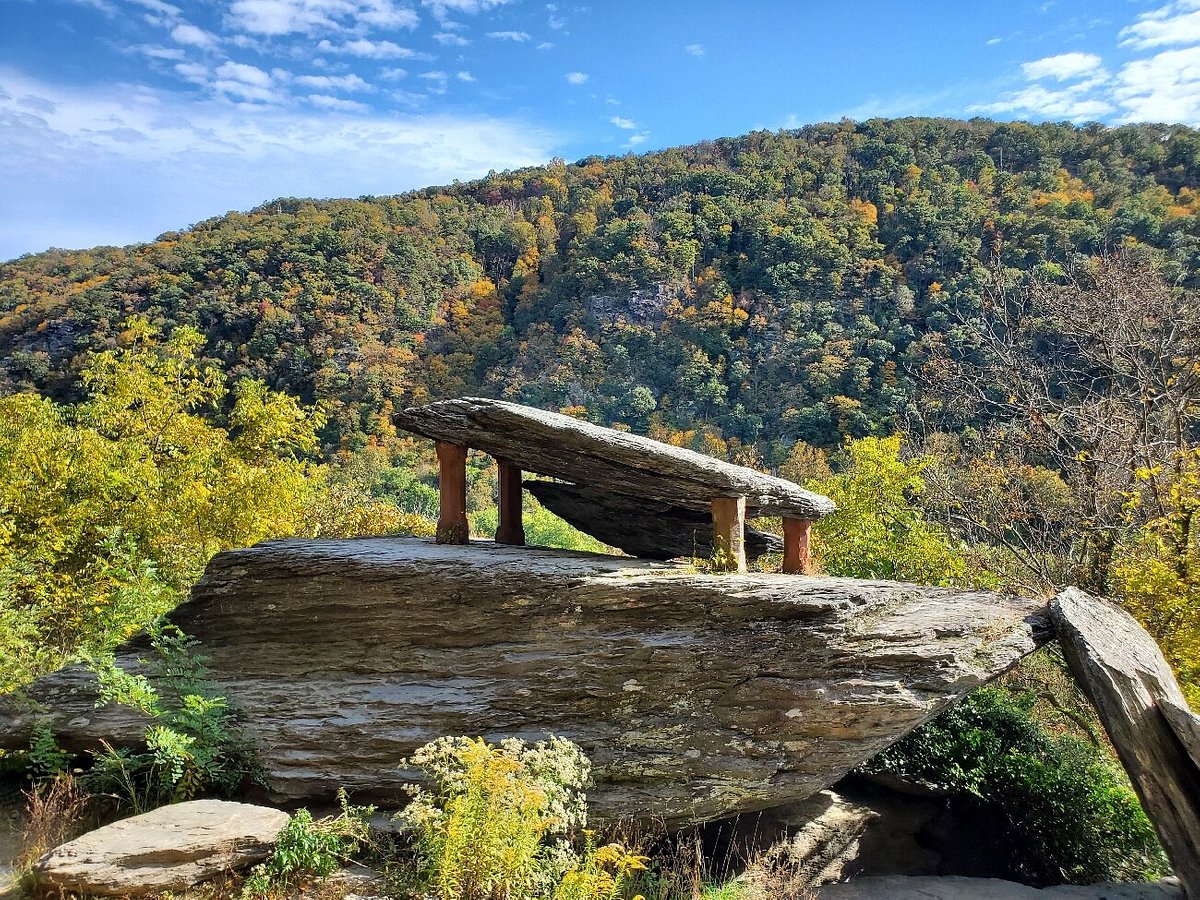
By Amber Brown
Harpers Ferry is a photographer’s paradise, with its blend of historic architecture, rolling rivers, and lush landscapes. Here are the best spots to capture the essence of this beautiful town.
1. Jefferson Rock
Named after Thomas Jefferson, who once stood here in awe of the view, Jefferson Rock offers one of the most iconic vistas in Harpers Ferry. Perched high above the town, this spot provides panoramic views of the confluence of the Potomac and Shenandoah rivers, framed by the rolling hills of Maryland and Virginia. The hike to Jefferson Rock is moderately easy, making it accessible for most visitors. The best time to visit is during sunrise or sunset, when the soft light enhances the natural beauty of the scene. The historical significance and breathtaking scenery make Jefferson Rock a must-visit for photographers.
2. Maryland Heights Overlook
For those willing to tackle a more challenging hike, the Maryland Heights Overlook offers arguably the most stunning view in the region. The steep trail leads to a rocky outcrop that overlooks the entire town of Harpers Ferry, with the rivers winding through the landscape below. The vista from Maryland Heights is especially dramatic in the fall, when the surrounding trees burst into vibrant colors. This spot is a favorite for landscape photographers and hikers alike, offering a rewarding experience for those who make the trek.
3. The Point
"The Point" is where the Potomac and Shenandoah rivers converge, offering a unique perspective on the town’s geography. This spot is easily accessible from the historic district and provides a peaceful place to watch the water flow by. The view from The Point is especially beautiful in the early morning, when the mist rises from the rivers, creating a mystical atmosphere. Photographers will find plenty of opportunities to capture the interplay of light and water, with the backdrop of the Blue Ridge Mountains adding to the scene’s majesty.
4. St. Peter’s Roman Catholic Church
Perched on a hill overlooking Harpers Ferry, St. Peter’s Roman Catholic Church is not only a beautiful example of Gothic Revival architecture but also a prime location for capturing panoramic views of the town and rivers below. The church’s striking silhouette against the sky makes for dramatic photographs, particularly at sunset when the light bathes the building in a warm glow. The church’s location offers a unique vantage point that combines architectural beauty with the natural splendor of the surrounding landscape.
5. Potomac Street in the Historic District
For those interested in capturing the charm of Harpers Ferry’s historic district, Potomac Street is the place to be. Lined with 19th-century buildings, this street offers a quintessential view of the town’s architectural heritage. The cobblestone streets, antique storefronts, and historic markers create a picturesque setting that is perfect for both wide-angle shots and detailed close-ups. Early morning or late afternoon provides the best lighting, with the soft shadows highlighting the textures and details of the old buildings.
6. Harpers Ferry Train Bridge
The Harpers Ferry Train Bridge, which spans the Potomac River, offers a unique perspective on the town and its natural surroundings. Walking across the bridge provides an opportunity to capture views of the river, the historic district, and the mountains in the distance. The bridge itself is an iconic structure, and photographs taken from or of the bridge often feature the dramatic juxtaposition of the man-made and the natural. This spot is particularly striking during the golden hour, when the light casts a warm glow over the entire scene.
7. Loudoun Heights
For those seeking a more secluded spot with panoramic views, the Loudoun Heights trail offers a less crowded alternative to Maryland Heights. This trail provides stunning overlooks of Harpers Ferry, with the added bonus of being immersed in the tranquility of the forest. The views from Loudoun Heights are particularly beautiful in the spring when wildflowers are in bloom, or in the fall when the foliage is at its peak. The peacefulness of this spot, combined with the expansive views, makes it a favorite for those looking to capture the quieter side of Harpers Ferry.
Harpers Ferry offers a wealth of scenic views and photo opportunities, each with its own unique charm and perspective. Whether you’re capturing the town’s historic architecture, the dramatic river vistas, or the vibrant natural landscapes, these spots provide the perfect backdrop for your photography. Be sure to bring your camera, a good pair of hiking shoes, and plenty of time to explore all that this beautiful town has to offer.
Log In to comment on this post!
Hiking the Appalachian Trail: Harpers Ferry as Your Gateway
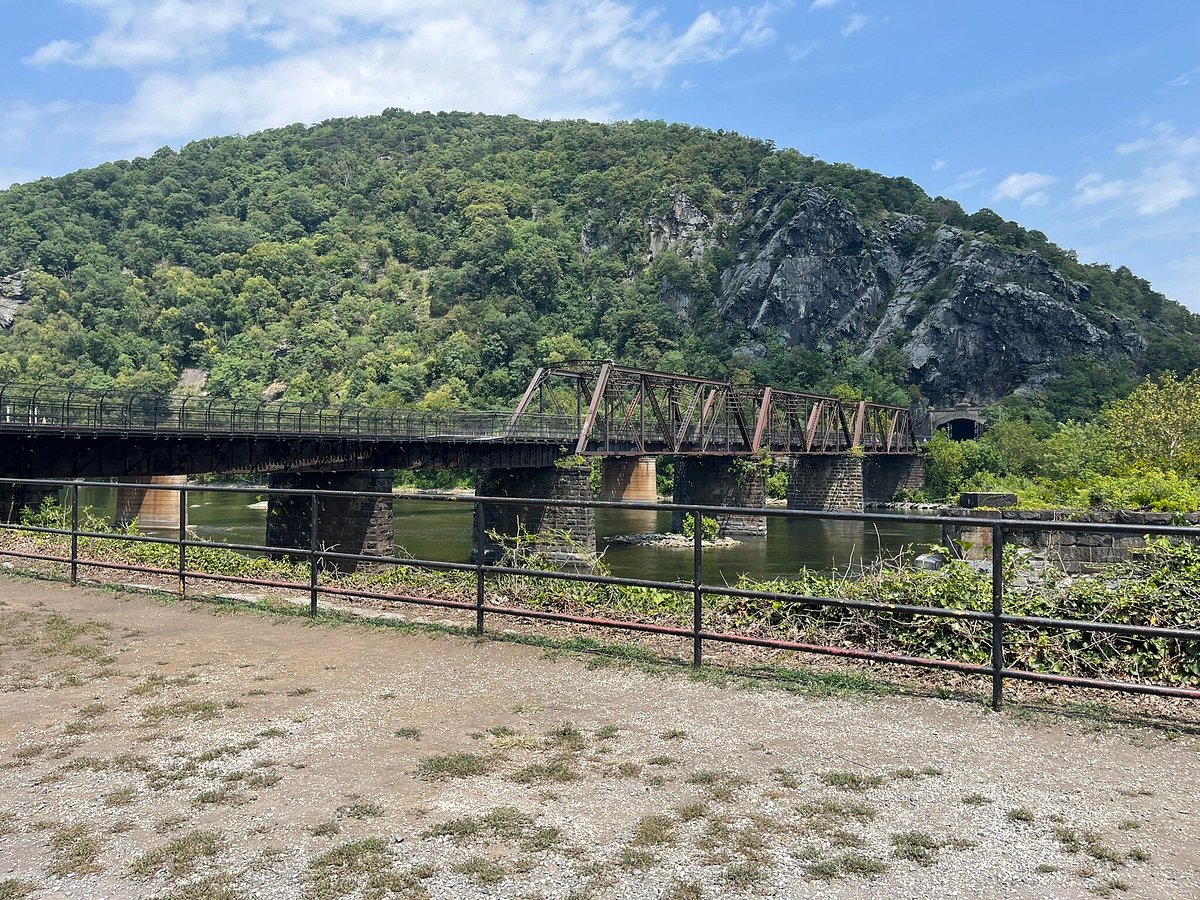
By Simon Pitts
Harpers Ferry, often called the "psychological halfway point" of the Appalachian Trail (AT), is more than just a historical landmark—it’s a pivotal gateway for hikers embarking on one of America’s most iconic long-distance trails. Nestled at the confluence of the Potomac and Shenandoah rivers, Harpers Ferry offers a blend of rich history and natural beauty, making it an ideal starting point or rest stop for AT adventurers.
The Significance of Harpers Ferry on the AT
Harpers Ferry holds a unique position on the Appalachian Trail, marking both a literal and symbolic milestone for thru-hikers. Located roughly halfway along the 2,190-mile trail that stretches from Georgia to Maine, the town represents a critical point of reflection for those who have journeyed far and those who have yet to complete their trek. The Appalachian Trail Conservancy (ATC) headquarters is situated in Harpers Ferry, serving as a hub for hikers to register, rest, and reconnect with the trail community.
For many, reaching Harpers Ferry is a moment of triumph—a chance to evaluate their journey so far, resupply, and gather the mental and physical strength needed for the remainder of the trail. The town’s welcoming atmosphere and the support services available make it a crucial stop for all who pass through.
Key Hiking Routes and Experiences
Harpers Ferry provides access to a variety of hiking routes that cater to different levels of experience and interest. Whether you’re a thru-hiker, section hiker, or day hiker, the area offers something for everyone.
1. Maryland Heights Trail
The Maryland Heights Trail is one of the most popular hikes in the area, offering stunning views of Harpers Ferry and the surrounding rivers. This challenging trail ascends steeply to a historic Civil War fort, where hikers are rewarded with panoramic views of the town, the confluence of the Potomac and Shenandoah rivers, and the rolling Blue Ridge Mountains. It’s a must-do for those looking to experience the scenic beauty and historical significance of the region.
2. Loudoun Heights Trail
For a longer and more immersive experience, the Loudoun Heights Trail offers a moderate to strenuous hike with equally breathtaking views. This trail takes hikers through dense forests and along ridge lines, providing multiple vantage points of Harpers Ferry and the surrounding landscape. The hike is a great way to escape the crowds while still enjoying the region’s natural beauty.
3. Weverton Cliffs
A short drive from Harpers Ferry, the Weverton Cliffs hike offers another spectacular view of the Potomac River and the Maryland countryside. This hike is part of the Appalachian Trail and is particularly popular during sunrise and sunset, providing a serene setting for hikers looking to capture the perfect photo or simply enjoy a peaceful moment.
4. Shorter Day Hikes and Nature Walks
For those with limited time or looking for a more leisurely experience, Harpers Ferry offers several shorter trails and nature walks. The Bolivar Heights and Virginius Island trails provide easy-to-moderate hikes with historical markers along the way, making them perfect for families or history buffs interested in exploring the area’s rich past while enjoying a day outdoors.
Planning Your Hike
Hiking in and around Harpers Ferry requires some preparation, especially if you’re planning to tackle longer sections of the Appalachian Trail. Here are a few tips to ensure you have a safe and enjoyable experience:
1. Gear and Supplies
Make sure to pack appropriately for your hike, including plenty of water, snacks, and appropriate footwear. The Appalachian Trail Conservancy headquarters in Harpers Ferry is a great resource for hikers, offering maps, trail information, and a small gear shop. Local outfitters in town can also provide last-minute supplies or gear adjustments.
2. Weather Considerations
The weather in Harpers Ferry can be unpredictable, especially in the spring and fall. Be sure to check the forecast before heading out and prepare for changing conditions. Layers are key, as temperatures can vary significantly between the valley and the higher elevations of the surrounding trails.
3. Trail Safety
While the trails around Harpers Ferry are well-maintained, it’s important to stay on marked paths and be mindful of your surroundings. The area’s steep terrain and rocky outcrops can pose challenges, so take your time and hike within your abilities. Additionally, always let someone know your hiking plans, especially if you’re heading out on a longer or more remote trail.
4. Respecting the Environment
Harpers Ferry is a protected area with a delicate ecosystem. Practice Leave No Trace principles by carrying out all trash, staying on designated trails, and respecting wildlife. Your efforts help preserve this beautiful region for future generations of hikers and nature lovers.
Cultural and Historical Highlights Along the Trail
Hiking in Harpers Ferry is not just about the natural beauty; it’s also an opportunity to explore the town’s rich history. Along the trails and in the town itself, you’ll find numerous historical markers and sites that tell the story of Harpers Ferry’s role in the Civil War, the industrial revolution, and the abolitionist movement.
1. John Brown’s Fort
As you explore the town, don’t miss John Brown’s Fort, the site of the famous abolitionist’s last stand in 1859. This small brick building has become a symbol of the fight against slavery and is an essential stop for anyone interested in American history.
2. Harpers Ferry National Historical Park
The Harpers Ferry National Historical Park encompasses much of the town and surrounding area, offering interpretive exhibits, guided tours, and living history programs. Whether you’re hiking through the park or visiting specific sites, the park provides a comprehensive look at the town’s multifaceted past.
3. Civil War Battlefields
The area around Harpers Ferry was the site of several important battles during the Civil War. As you hike, you may come across markers indicating where these events took place, providing a poignant reminder of the town’s turbulent history.
A Perfect Base for Appalachian Trail Hikers
For those planning a longer journey on the Appalachian Trail, Harpers Ferry serves as an ideal base. The town’s amenities, including lodging, dining, and resupply options, cater to the needs of hikers, making it a comfortable stopover or starting point. The Appalachian Trail Conservancy headquarters is also a must-visit, offering resources and support for both novice and experienced hikers.
Staying in Harpers Ferry allows you to fully immerse yourself in the Appalachian Trail experience, whether you’re planning a short section hike or embarking on a thru-hike. The town’s friendly atmosphere and welcoming community make it a home away from home for hikers from all over the world.
Harpers Ferry is much more than a picturesque historic town; it’s a gateway to one of America’s most iconic hiking experiences. The Appalachian Trail, with its challenging paths and breathtaking views, offers something for everyone, from casual day hikers to dedicated thru-hikers. Harpers Ferry’s blend of natural beauty, rich history, and welcoming community makes it the perfect starting point or rest stop for your Appalachian Trail adventure. So lace up your boots, pack your gear, and get ready to explore the trails that have inspired generations of hikers. Harpers Ferry awaits.
Log In to comment on this post!
A Journey Through Time: Harpers Ferry’s Role in American History
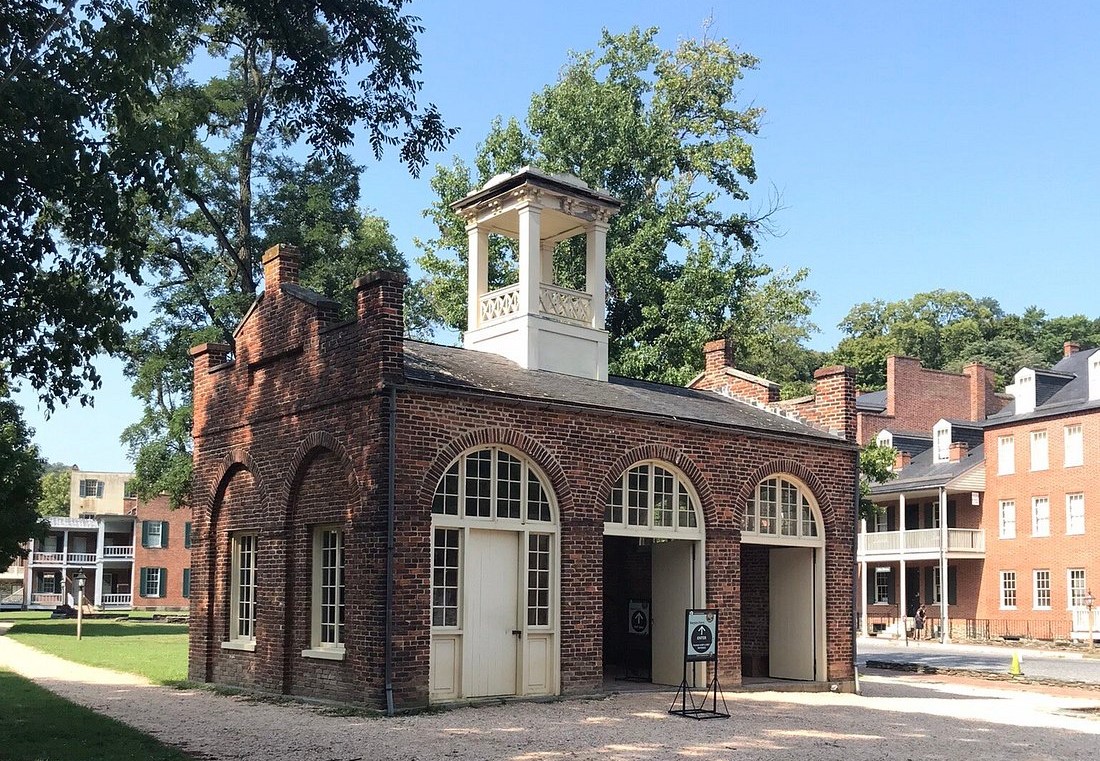
By Brian and Aubrey
Harpers Ferry, a small town in West Virginia, holds a significant place in American history, serving as a pivotal site during the antebellum period, the Civil War, and the early industrial era. Its strategic location at the confluence of the Potomac and Shenandoah rivers made it a center of transportation, industry, and military activity, shaping the course of the nation.
Early Foundations and Industrial Growth
In the late 18th century, Harpers Ferry began its transformation from a rural outpost into an industrial hub. George Washington recognized the strategic importance of the area, choosing it as the site for one of the nation’s first federal armories and arsenals. Established in 1799, the U.S. Armory and Arsenal in Harpers Ferry became a key producer of weapons, significantly contributing to the town’s growth and national importance. The armory also attracted skilled laborers, leading to the town’s expansion and the development of transportation infrastructure, including the Chesapeake and Ohio Canal and the Baltimore and Ohio Railroad.
Harpers Ferry quickly became a bustling industrial town, with water-powered factories lining the riverbanks. These early developments set the stage for the town’s critical role in the years leading up to and during the Civil War.
John Brown’s Raid: The Spark of Conflict
One of the most defining moments in Harpers Ferry’s history occurred in 1859 when abolitionist John Brown led a raid on the federal armory. Brown aimed to seize weapons and incite a slave rebellion, hoping to end slavery in America. Although the raid ultimately failed, it heightened tensions between the North and South, contributing to the outbreak of the Civil War.
John Brown’s raid transformed Harpers Ferry from a quiet industrial town into a symbol of the abolitionist movement and the coming conflict. Brown’s capture, trial, and execution were highly publicized, making Harpers Ferry a focal point of national debate. Today, John Brown’s Fort, the building where Brown made his last stand, remains a powerful symbol of the fight against slavery and a key historical site in the town.
The Civil War: A Town Divided
During the Civil War, Harpers Ferry’s strategic location made it a highly contested site, changing hands between Union and Confederate forces multiple times. The town’s armory and access to transportation routes were crucial to both sides, leading to several battles in the area. The most significant of these was the Battle of Harpers Ferry in September 1862, part of the Maryland Campaign. Confederate General Stonewall Jackson captured the town, securing a large number of Union prisoners and weapons. This victory played a key role in the lead-up to the Battle of Antietam, the bloodiest single-day battle in American history.
The war took a heavy toll on Harpers Ferry, with much of the town’s infrastructure destroyed or severely damaged. The armory was burned to prevent its capture by Confederate forces, marking the end of its industrial era. Despite this devastation, the town’s role in the Civil War remains a significant part of its identity, with numerous sites and monuments commemorating the conflict.
Reconstruction and the African American Experience
After the Civil War, Harpers Ferry became a center for African American education and civil rights. In 1867, Storer College was founded as one of the first institutions of higher learning for African Americans in the region. The college played a crucial role in the education of former slaves and their descendants, fostering a sense of community and progress in the post-war years.
Harpers Ferry also hosted the second Niagara Movement meeting in 1906, led by W.E.B. Du Bois. This gathering was a precursor to the formation of the NAACP and marked a significant moment in the fight for civil rights. The town’s commitment to education and equality in the face of adversity is a testament to its enduring legacy.
Preservation and Legacy
Today, Harpers Ferry is a well-preserved town that serves as a living museum of American history. The Harpers Ferry National Historical Park protects and interprets the town’s rich heritage, offering visitors a chance to explore its historic buildings, battlefields, and scenic landscapes. Guided tours, reenactments, and interpretive programs bring the past to life, allowing visitors to engage with the town’s history in a meaningful way.
Harpers Ferry’s blend of natural beauty and historical significance makes it a unique destination. The town’s role in shaping the nation’s history, from its industrial beginnings to its impact on the Civil War and the civil rights movement, is preserved and celebrated for future generations. Whether you’re a history enthusiast, a nature lover, or simply looking to explore a quintessential American town, Harpers Ferry offers a journey through time that is both enriching and inspiring.
Harpers Ferry is more than just a historic town; it’s a symbol of the struggles and triumphs that have shaped the United States. Its role in key moments of American history, from John Brown’s raid to the Civil War and the civil rights movement, makes it a place of profound significance. Visiting Harpers Ferry is not just a trip through history—it’s an exploration of the forces that have defined a nation. As you walk its streets, hike its trails, and visit its historic sites, you’re not just witnessing history—you’re experiencing it.
Log In to comment on this post!
Top 7 Historic Sites to Visit in Harpers Ferry
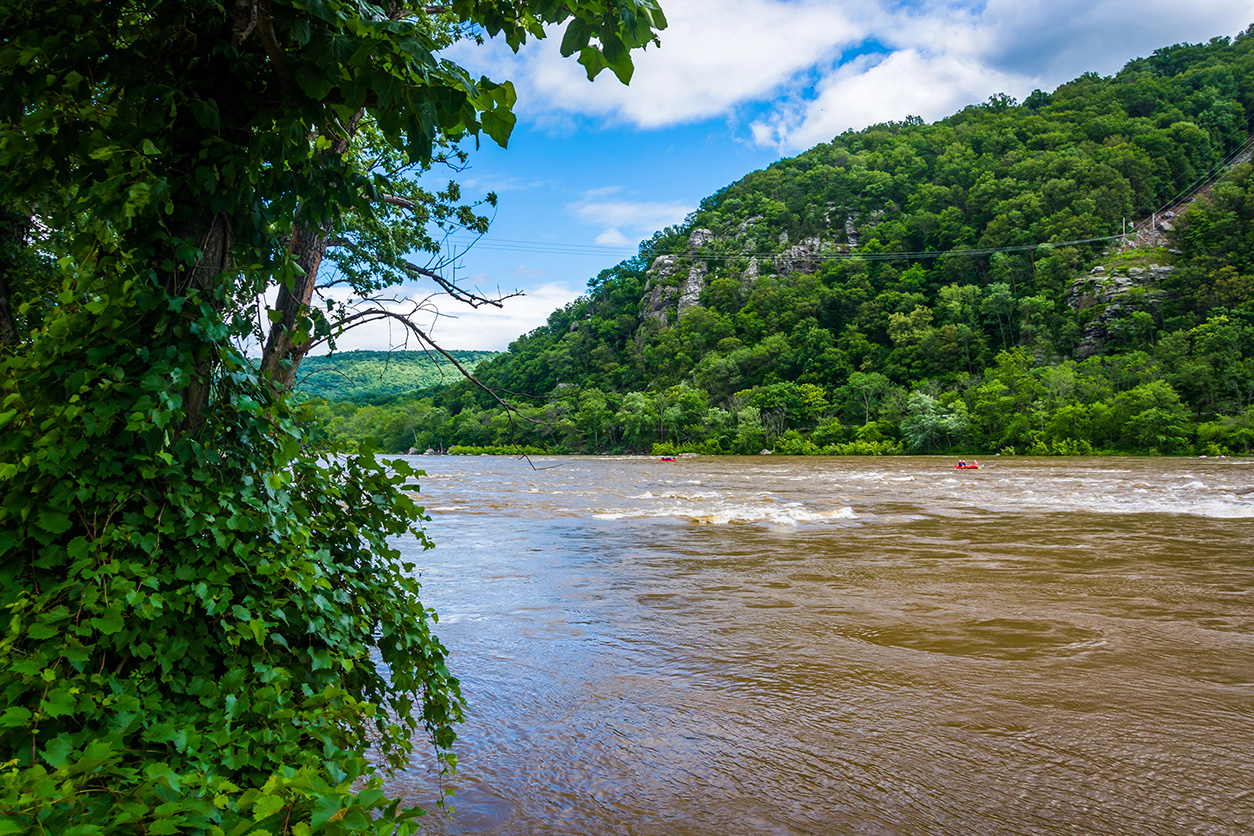
By Charlotte Dawson
Harpers Ferry, with its rich history and picturesque setting, is a treasure trove of historic sites. Here’s a curated list of the top seven must-visit spots that will take you on a journey through America’s past.
1. John Brown’s Fort
The most iconic site in Harpers Ferry, John Brown’s Fort, is where the famous abolitionist made his last stand during his 1859 raid. The fort has been moved multiple times but remains a powerful symbol of the fight against slavery. Today, it stands near its original location, offering visitors a glimpse into one of the most significant events leading up to the Civil War.
2. Harpers Ferry National Historical Park
This expansive park covers much of the town and surrounding areas, preserving the historical significance of Harpers Ferry. The park includes numerous exhibits, museums, and preserved buildings that tell the story of the town’s role in the Civil War, industrial history, and African American history. A walk through the park is like stepping back in time, with interpretive trails and programs that bring history to life.
3. The Arsenal
Once the site of the U.S. Armory and Arsenal, Harpers Ferry was a major center for weapons manufacturing before the Civil War. Although much of the original arsenal was destroyed during the conflict, the site now includes markers and exhibits that explain its historical importance. The arsenal was also a key target during John Brown’s raid.
4. St. Peter’s Roman Catholic Church
Perched on a hill overlooking the town, St. Peter’s Roman Catholic Church is not only a beautiful architectural landmark but also a site with deep historical roots. During the Civil War, the church served as a hospital for both Union and Confederate soldiers. Its striking Gothic Revival architecture and panoramic views make it a must-see.
5. The Harper House
As one of the oldest surviving structures in the town, the Harper House offers a unique glimpse into the daily life of Harpers Ferry’s early settlers. The house has been restored to its 19th-century appearance and now serves as a museum, showcasing artifacts and exhibits related to the town’s history.
6. Jefferson Rock
Named after Thomas Jefferson, who visited the site in 1783, Jefferson Rock offers stunning views of the confluence of the Potomac and Shenandoah rivers. Jefferson himself remarked on the beauty of the scene, and it remains one of the most scenic and historic spots in Harpers Ferry. A short hike leads to this natural overlook, where you can enjoy both the historical significance and the breathtaking landscape.
7. The Point
"The Point" is where the Potomac and Shenandoah rivers meet, a site of both natural beauty and strategic importance during the Civil War. This location was a key defensive position, and today, it offers a peaceful spot to reflect on the town’s tumultuous past. Interpretive signs provide context, making it an educational stop as well.
Harpers Ferry’s historic sites offer a comprehensive look at a town that played a pivotal role in American history. From the famous John Brown’s Fort to the serene beauty of Jefferson Rock, each site provides a unique window into the past. Whether you’re a history buff or simply looking to explore a picturesque town, Harpers Ferry’s rich heritage and stunning landscapes make it a destination worth visiting.
Log In to comment on this post!
Exploring Harpers Ferry: Where History and Nature Meet
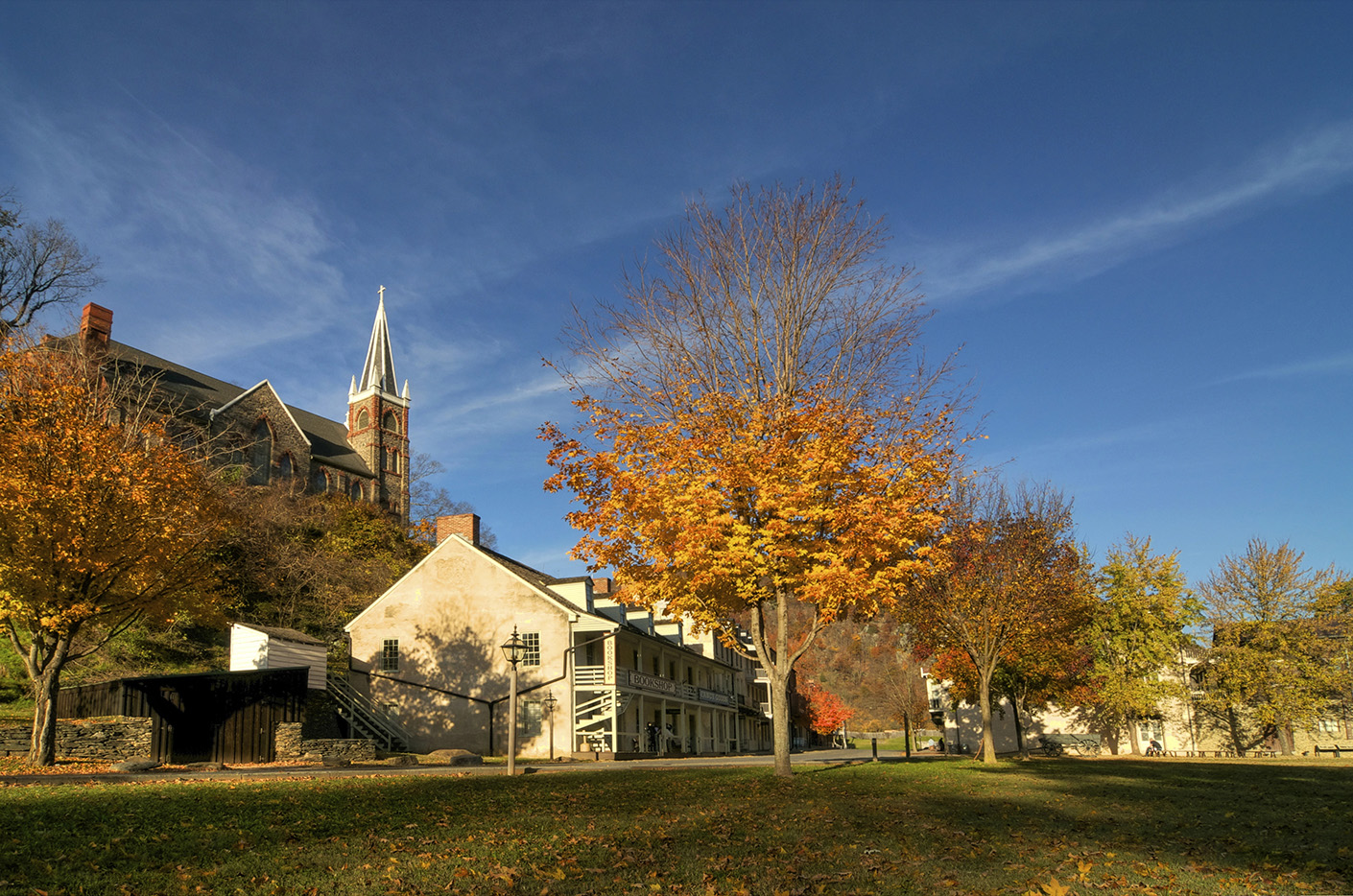
By Greg Hamilton
Harpers Ferry, nestled at the confluence of the Potomac and Shenandoah rivers, is a place where history and nature blend seamlessly. This small West Virginia town, rich in American history, offers visitors a chance to walk in the footsteps of John Brown, explore Civil War battlegrounds, and experience the beauty of the Appalachian Trail.
Historical Significance
Harpers Ferry is most famous for John Brown’s raid in 1859, an event that played a crucial role in sparking the Civil War. The town's well-preserved historic district offers a glimpse into 19th-century life, with numerous museums, exhibits, and guided tours that detail its pivotal role in American history. A visit to the John Brown Museum and the Harpers Ferry National Historical Park is a must for history enthusiasts, providing an in-depth look at the events that unfolded here and their lasting impact on the nation.
Walking through the town’s cobblestone streets, visitors can explore buildings that have stood for centuries, each with its own story to tell. The historic district is a living museum, with reenactors and interpretive programs bringing the past to life. Whether you're exploring the old armory or visiting St. Peter’s Roman Catholic Church, the sense of history is palpable.
The Intersection of History and Nature
Harpers Ferry is not just about history; it’s also a gateway to some of the most beautiful natural landscapes in the eastern United States. The town is located within the Harpers Ferry National Historical Park, which spans over 4,000 acres and includes a variety of natural features, from rolling hills to riverfronts.
One of the most popular activities is hiking the Appalachian Trail, which passes directly through Harpers Ferry. Known as the "psychological halfway point" of the trail, this section offers hikers stunning views of the surrounding mountains and rivers. The Maryland Heights Trail is particularly popular, leading to a viewpoint that offers panoramic vistas of the town and the Potomac River below. For those seeking a less strenuous experience, the Shenandoah and Potomac rivers provide opportunities for kayaking, fishing, and simply relaxing by the water.
Exploring the Outdoors
For outdoor enthusiasts, Harpers Ferry offers a wealth of activities. The convergence of the Potomac and Shenandoah rivers creates ideal conditions for whitewater rafting, canoeing, and tubing. Guided tours are available for those looking to experience the thrill of navigating the rapids, while the calmer stretches of the rivers are perfect for a leisurely paddle or a day of fishing.
Hiking is another major draw, with trails ranging from easy walks to challenging climbs. The Loudoun Heights Trail and the Bolivar Heights Trail offer a mix of history and nature, with interpretive signs along the way providing insights into the area's Civil War history. Wildlife is abundant in the region, and it's not uncommon to spot deer, eagles, and a variety of bird species while exploring the trails.
Cultural and Educational Opportunities
Harpers Ferry is also a hub for cultural and educational experiences. The town hosts a variety of events throughout the year, including Civil War reenactments, craft fairs, and historical lectures. The Harpers Ferry National Historical Park offers educational programs for all ages, focusing on topics such as Civil War history, African American heritage, and environmental conservation.
For those interested in the arts, the town's galleries and artisan shops showcase the work of local artists, often inspired by the natural beauty and historical significance of the area. Visitors can also enjoy live music and theater performances in the town's historic venues, adding a cultural dimension to their visit.
Dining and Lodging
After a day of exploring, visitors can relax and enjoy a meal at one of Harpers Ferry's charming restaurants. The town offers a range of dining options, from casual cafés to fine dining establishments, many of which feature locally sourced ingredients. For a true taste of West Virginia, try the regional specialties like rainbow trout or apple butter.
Accommodations in Harpers Ferry are equally inviting, with a variety of bed and breakfasts, historic inns, and modern hotels to choose from. Many of these establishments are housed in historic buildings, offering guests a unique experience that combines modern comforts with the charm of the past. Staying overnight allows visitors to fully immerse themselves in the town's atmosphere, enjoying quiet evenings after the day-trippers have gone home.
Harpers Ferry is a destination where history and nature converge, offering a rich and immersive experience for visitors. Whether you're exploring the town's historic sites, hiking the Appalachian Trail, or enjoying the scenic rivers, Harpers Ferry provides a unique blend of adventure, education, and relaxation. This small town has a big story to tell, and its natural beauty only enhances the experience. Whether you're a history buff, an outdoor enthusiast, or simply looking for a peaceful getaway, Harpers Ferry has something to offer everyone.
Log In to comment on this post!